



The most effective form of climate protection is a substantial reduction in anthropogenic greenhouse gas emissions. Forests can contribute to climate protection through carbon storage in forests and in wood products, provided they are able to cope with climate change. In many cases, this requires active measures such as stabilising existing forests, establishing new forests through afforestation, and the sustainable use of wood. Here are 13 theses on carbon sequestration in forests and wood products:
The 13 Theses
- Forest Protection through the Consistent Reduction of Greenhouse Gas Emissions: The single most effective means of protecting our forests in Germany, Austria and Switzerland - and thereby also the most significant contribution that can be made to climate protection - is the consistent reduction of anthropogenic greenhouse gas emissions in all sectors.
- Carbon Sequestration by Forests: As trees grow, CO₂ is captured from the air and sequestered in the wood as carbon. The ongoing CO₂ sequestration per unit of area is greatest in young and medium-aged forest stands, which have high growth rates. As a result of climate change, however, there is an increasing risk of carbon already sequestered in the forests being released uncontrollably through large-scale damage events. Levels of carbon stored in forests are therefore increasingly volatile. Evidence of this is to be found in the national forest inventories, for example, albeit with significant regional and site-specific differences.
- Safeguarding Carbon Sequestration Through Forest Conservation: Only climate-resilient and site-appropriate forests can safeguard the efficient and consistent sequestration of CO₂. The long-term conservation of existing forests, i.e. the forest area, as well as forest health, is the key to climate protection.
- Increased Carbon Sequestration Through the Planting of New Forests: The planting of new forests (afforestation) is one way of increasing CO₂ sequestration and forest carbon storage. However, large-scale forest expansion is difficult to achieve in many regions of central Europe due to competition for land, and cannot be implemented everywhere in view of other social needs.
- Limited Potential of Forests as Carbon Sinks: The potential of forests as carbon sinks is often emphasised, and rightly so. However, the carbon storage capacities of our forests are limited. As global warming leads to warmer and drier sites, and growing conditions often deteriorate as a result, the potential sink is likely to be reduced still further - which is why the conservation and sustainable management of forests must be central elements of climate policy.
- No One-Sided Focus on the Carbon Storage of Forests: Our forests provide a multitude of important, sometimes vital ecosystem services. Increasing carbon storage in the wood stock of sustainably managed forests therefore only makes sense if it does not jeopardise other important ecosystem services. Furthermore, forest stands with very high stock levels are exposed to increasing risks of calamities and the danger of rapid release of stored carbon as a result of climate change.
It is particularly important to ensure that the focus on increasing carbon storage in the forest does not prevent the necessary development from species-poor forests of low structural diversity towards more adaptable mixed forests - including tree species that require light. A one-sided focus on maximising forest carbon storage by increasing the wood stock of forests is therefore not recommended from a technical point of view. - Development of Climate-Resilient, Diverse Mixed Forests: Forest management must focus on the active development of site-appropriate, diverse and adaptable mixed forests that can continuously absorb and store CO₂ through growth and timber utilisation. These forests sequester carbon in biomass and soils, while also performing diverse other ecosystem services. Through timber utilisation, the carbon is transferred from the forest carbon sink to a wood product sink (e.g. wooden houses, paper) for the duration of the product's use. Sustainable timber utilisation in forests managed in a close-to-nature way also creates the conditions for the growth of young trees with particularly high carbon sequestration rates. Sustainable forest management therefore plays a significant role in a climate balance that takes both forest carbon sink and wood product carbon sink into account.
- Maintenance and Expansion of Carbon Storage in Forest Soils: Forest soils contain considerable proportions of the carbon bound in forests. Sustainable, soil-friendly forest management, which includes appropriate management of the soil water balance, helps to maintain this carbon reservoir and also to increase it in the long term.
- Preventing Large-Scale Disturbances: There is a considerable risk of large-scale disturbances, particularly in forests that are unsuitable for their site, dominated by a single tree species, poor in terms of number of species, and/or poorly adapted to the future climate. These disturbances are not only associated with uncontrollable CO₂ emissions from stands and forest soils, but also with the impairment of other important ecosystem services. Sustainable, active management geared towards climate adaptation can significantly increase the resistance and resilience of our forests. The keys to this are forest conversion measures, increases in tree species diversity and mixing, forest management geared towards reducing risks and maintaining the stability of the forests, adapted wildlife management and other protective measures.
- The Importance of Wood as a Carbon Sink: Another essential lever in climate protection is the storage of carbon in wood products. The storage time depends on the service life of the wood products. The possibilities for efficient wood use must therefore be developed further, and the emphasis laid on maximising the proportion of durable products (e.g. construction timber or wood-based materials). The goal should also be to create a cascade of utilisation in order to ensure that the wood is used as efficiently as possible.
- Substitution of Wood for More Greenhouse Gas-Intensive Materials: Wood can be used as a raw material (e.g. in building materials) to replace other materials that cause higher greenhouse gas emissions at the production stage. This can reduce emissions in other source groups (sectors). This substitution potential of wood use (especially in the building industry - in timber construction or in the thermal insulation of existing buildings) can thus contribute to the reduction of total national emissions.
- Adjustment of LULUCF Climate Protection Targets: In view of the increasing risks, experts believe that the forest contributions to LULUCF climate protection targets as set for Germany and Austria, for example, are not achievable. They should therefore be urgently reviewed and - if necessary - adapted to the realities and limits of the ecosystems. Risks and disturbances must in future be better integrated into models, so that realistic climate protection targets for forests can be formulated and the appropriate intervention measures derived. The emissions saved in other source groups through the use of wood are not currently assigned to the LULUCF source group. They thus do not formally contribute to the achievement of the LULUCF target, but help other source groups to reduce emissions. This leads to misunderstandings and irritation in many political debates.
- Forest-Related CO₂-Certificates: In Germany, Austria and Switzerland, forest-related CO₂-certificates (forest carbon credits) do not in themselves offer any added value for climate protection. In some cases, they can even lead to false incentives: Certificates that are designed to promote expansion of the forest area, i.e. the reafforestation of agricultural land or other areas, create incentives for the additional sequestration of CO₂. However, it should be borne in mind that it will be decades before these have a substantial impact. Certificates geared towards climate-stable forest conversion (indirectly) support positive effects on the long-term storage of carbon in these forests. Certificates based solely on non-utilisation are designed to increase the amount of carbon in forest biomass. Here it should be borne in mind that uncontrollable natural disturbance events in forests can quickly result in a complete loss of storage capacity. The risk of such calamities occurring is rising sharply due to rapid climate change, especially in ageing forest stands. In addition to this high risk to the forest carbon sink, certificates like these are inevitably linked to an abandonment of the expansion of the wood product sink on these areas.
Forests Contribute a Great Deal – but They Have Limits
Through their natural growth, forests sequester carbon and store it in wood and soils. Climate change, drought, storms and pest outbreaks, however, increase the risk that this carbon may be released again suddenly and uncontrollably. The expert panel of German-speaking forestry research institutes – which, in addition to the research institutions of the federal states, also includes the federally owned Thünen Institute of Wood Research, the Swiss Federal Institute for Forest, Snow and Landscape Research, and the Austrian Federal Research Centre for Forests – therefore emphasises that forests are not an inexhaustible carbon sink. Increasing the carbon stock in the growing stock of sustainably managed forests therefore only makes sense if it does not jeopardise other important forest functions. A one-sided focus on maximising forest carbon storage by increasing timber stocks is not recommended from a scientific perspective.
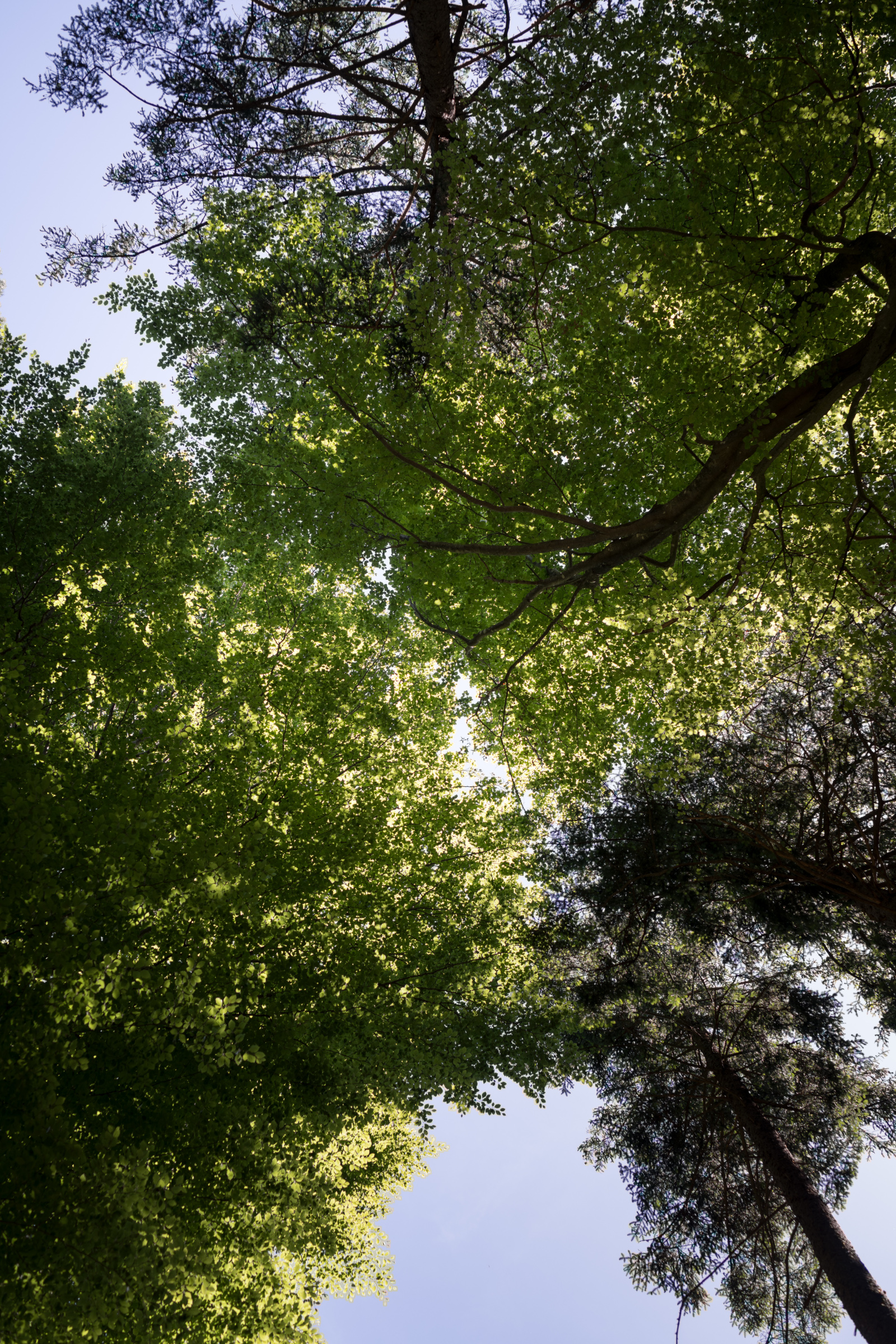
Fig. 1: The focus of forest management must be on the active development of site-appropriate, diverse and adaptable mixed forests. Photo: Sorin Morar
Active Management Safeguards Climate Benefits
Sustainable forest management means actively adapting forests to climate change and maintaining their functions, for example through the use of site-appropriate tree species, stable mixed forests and responsible timber utilisation. In this way, carbon is stored both in forests and in wood products. It is essential to increase the combined total of these two carbon sinks. At the same time, additional emissions can be avoided when wood from sustainably managed forests replaces other materials or fossil energy sources that are more harmful to the climate. Initial afforestation, i.e. the establishment of forests on land previously used for other purposes, can contribute to climate protection – provided that suitable areas are available in our landscapes.

Fig. 2: One lever for climate protection is the storage of carbon in wood products. Photo: Eckhart Matthäus
Realistic Climate Targets and Clear Responsibility
The national climate targets in the LULUCF sector (land use, land-use change and forestry) need to be critically reviewed. In view of increasing disturbances, the current political targets do not appear to be realistically achievable everywhere. Climate protection must place equal responsibility on all sectors.
CO₂ Certificates
Forest-related CO₂ certificates can only be meaningful where they achieve genuine additional carbon sequestration, for example through afforestation or forest conversion. Certificates that rely solely on the continued growth of existing forests, by contrast, risk creating false incentives and increasing vulnerability to uncontrollable disturbances.
Conclusion
The forestry research institutes emphasise that forests and wood products make important, but not inexhaustible, contributions to climate protection. Adapted, nature-oriented and sustainable management measures are crucial. More than ever, strengthening resilience and linking forest and wood strategies with other climate protection measures is essential.
