


Since 1998, forest pedagogy has been an educational mandate of the state forestry authorities, in accordance with Art. 28 Para. 1 No. 8 of the Bavarian Forest Act (BayWaldG). The provision of forest education is thus on a par with other important tasks listed in the act, such as the promotion of forestry and its self-help organisations, the management and execution of operations in corporate forests, forest supervision, or the restoration of protection forests. Forest pedagogy explains the value of sustainably managed forests, thus creating support and backing for sustainable forestry in society.
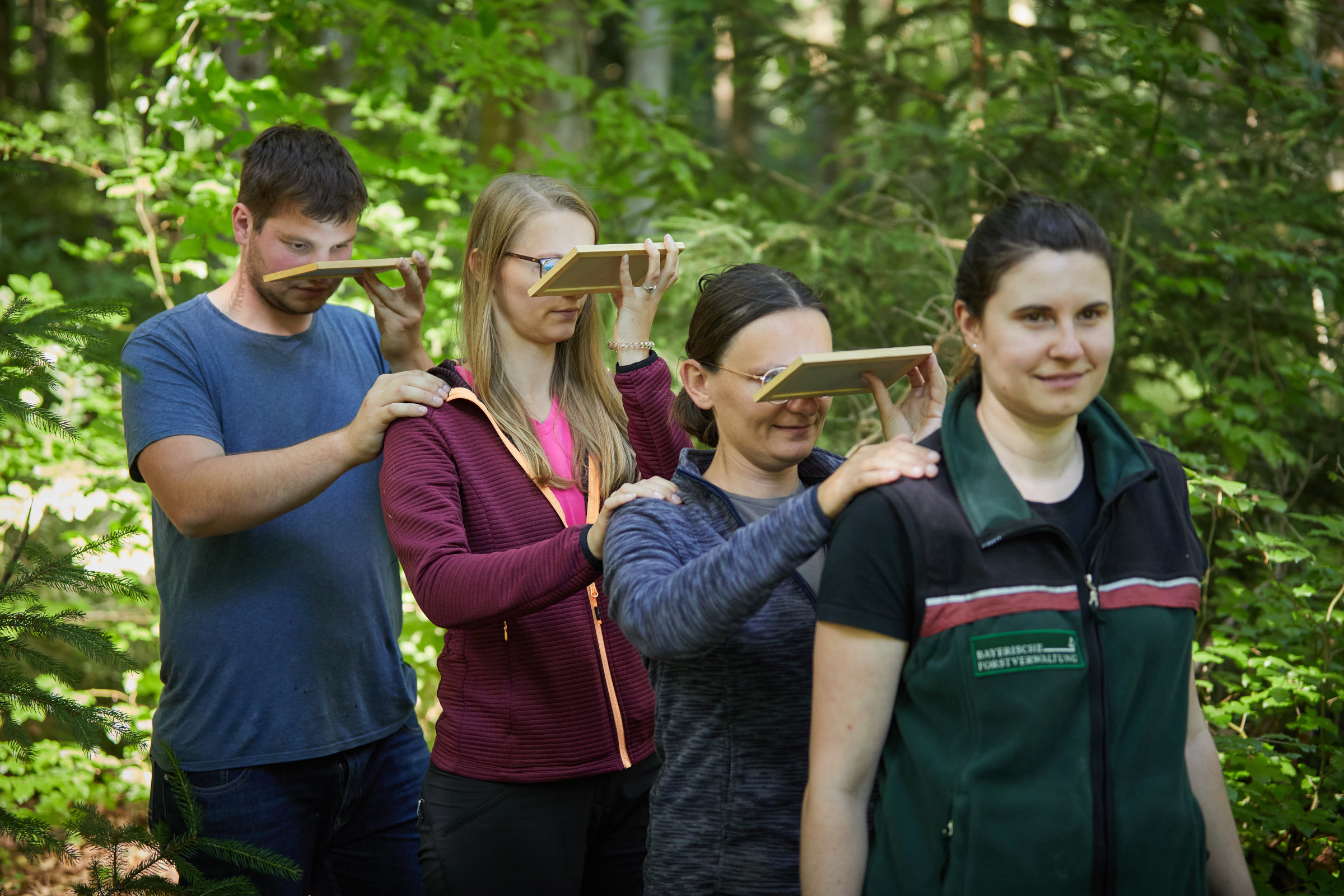
Fig. 1: The forest canopy is revealed to participants on a “mirror walk”. Photo: Robert Pehlke
Bringing forestry challenges to life
The Forest Pedagogical Guidelines set out the following educational objectives, among others: “Forest pedagogy imparts knowledge in a way that is appropriate for the target group, up-to-date and factually balanced. It creates awareness of issues concerning the forest and forestry sector and, in doing so, is oriented towards the environment in which the individual lives.”
To help achieve these objectives, the Bavarian Forestry Administration develops practical aids for forest-related educational activities on current topics. One example is the recently published handout on “Forest and climate change”, which uses forest-related educational activities to demonstrate even complex issues in an understandable way and to bring them to life.
The “Working Group on Forest-Related Education” is committed to the continuous development of the Forest Pedagogical Guidelines. The guidelines are one of the forestry administration’s particular success stories. Known in other federal states as the “Bavarian folder”, more than 25,000 copies of the work have been sold since the first edition was published in 1994. So far, nine foreign-language adaptations or translations have been produced, including Spanish, Portuguese, Czech and English versions.
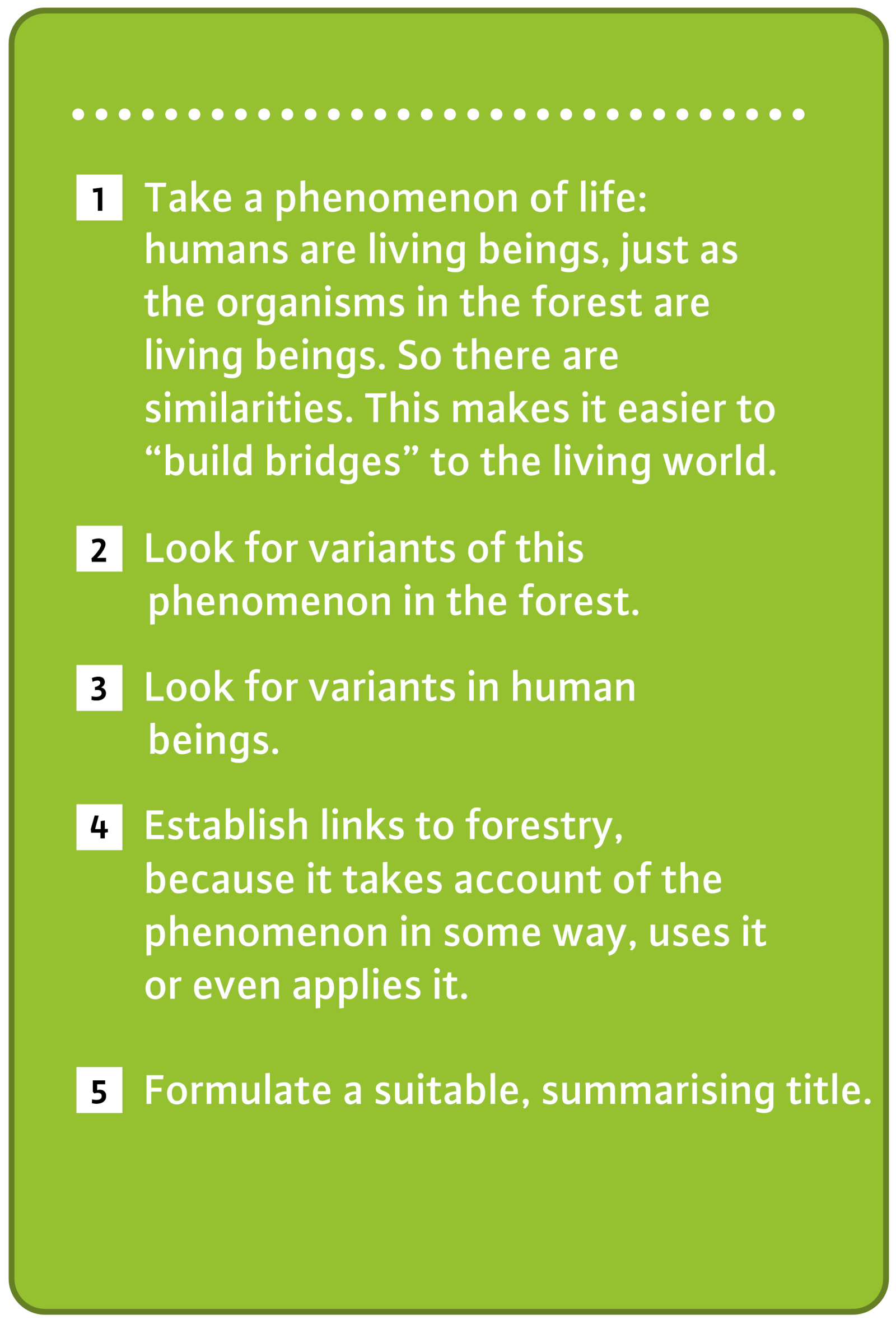
Fig. 2: The “Forest pedagogy generator” contains a number of suggestions for the creation of guided forest tours with a clear thematic thread and a connection to the lives and everyday world of the participants, as well as to sustainable forest management.
The guidelines address the social significance of forests, particularly in chapters such as “Forests and society”. Integrative forest management is at the centre of a web of different interests and objectives (nature conservation, timber utilisation, recreation, drinking water, habitat, etc.), which can conflict with one another, leading to endless dispute. A whole series of activities in the Forest Education Guidelines brings this field of conflict to life for the participants, thus helping to create understanding for the difficult situation of forest owners, who are increasingly subject to criticism because they can balance the various demands on the forest to a certain extent, but not fulfil them to the maximum in each case. In the “I spy with my little eye” activity, for example, interest groups create their ideal forests, and then, in a second round, they have to agree on how they want to achieve their objectives on a given area. This is an activity that can be particularly enlightening for adults, too. It has already been used in a modified form with the representatives of various associations, for example in the development of a state-wide forest strategy in Hesse.
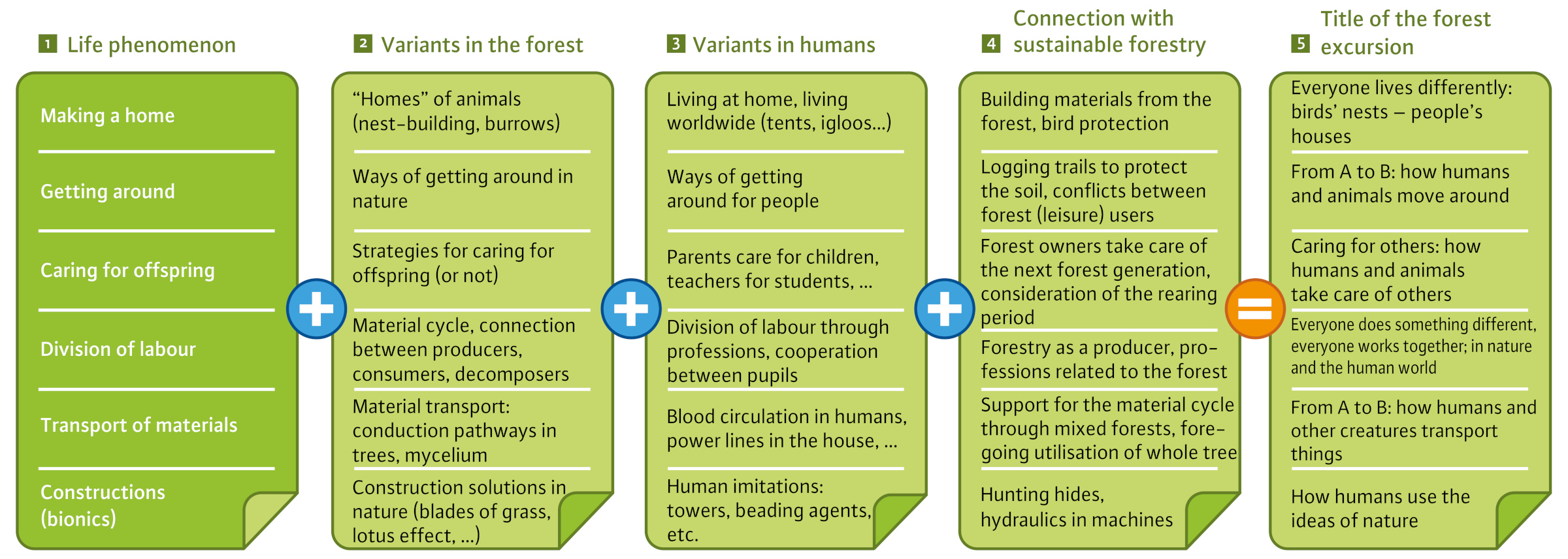
The “Forest Pedagogy Generator” in Figure 2 shows how forest education events on various topics can be developed, and how not only the forest habitat, but also the world of the participants and the achievements of sustainable forestry can thereby be elucidated.
Forest pedagogy is educational work, not public relations. However, it does have a positive public relations effect, because it provides information on the achievements and problems of those who take care of the forest and make it accessible and useful to society in all sorts of different ways. Contacts between schools and the forestry administration are generally well established and have been for a while, partly because foresters are authentic educational partners who provide balanced information and pedagogically valuable programmes.
Forest pedagogical skills and techniques are universally applicable
Good forest educators are trained and experienced in the art of communicating content in an easily understandable, clear and attractive way. Anyone who can make the connections in forests and forestry accessible to children and young people is certainly capable of doing the same for adults. The experience gained in setting up educational events in which a coherent concept - a common thread - is developed from activity to activity to form a compelling, meaningful whole that can be easily remembered and internalised, will also be useful for group advisory services or the forest educational programme.
In forest pedagogy, the aim is to foster the participants' sense of self-efficacy. Self-efficacy refers to the belief that you can overcome a challenge. The aim is to strengthen the participants' ability to act, and to build on existing knowledge and skills. They must not be overwhelmed or discouraged in the process. A good forest pedagogical event is tailored to the specific target group, and creates a positive learning atmosphere in which the participants can actively take part. This is of course also desirable for a group consultation with forest owners, or a work meeting with employees.
The pedagogical principles and communication techniques taught in a forest-pedagogical programme, e.g. at universities or on training courses on forest pedagogy within the forestry administration, can be applied in many other fields of work, including group advisory services, lectures, public relations work, personnel management and other areas. The other fields of work benefit from pedagogical and communication skills (see Figure 3).
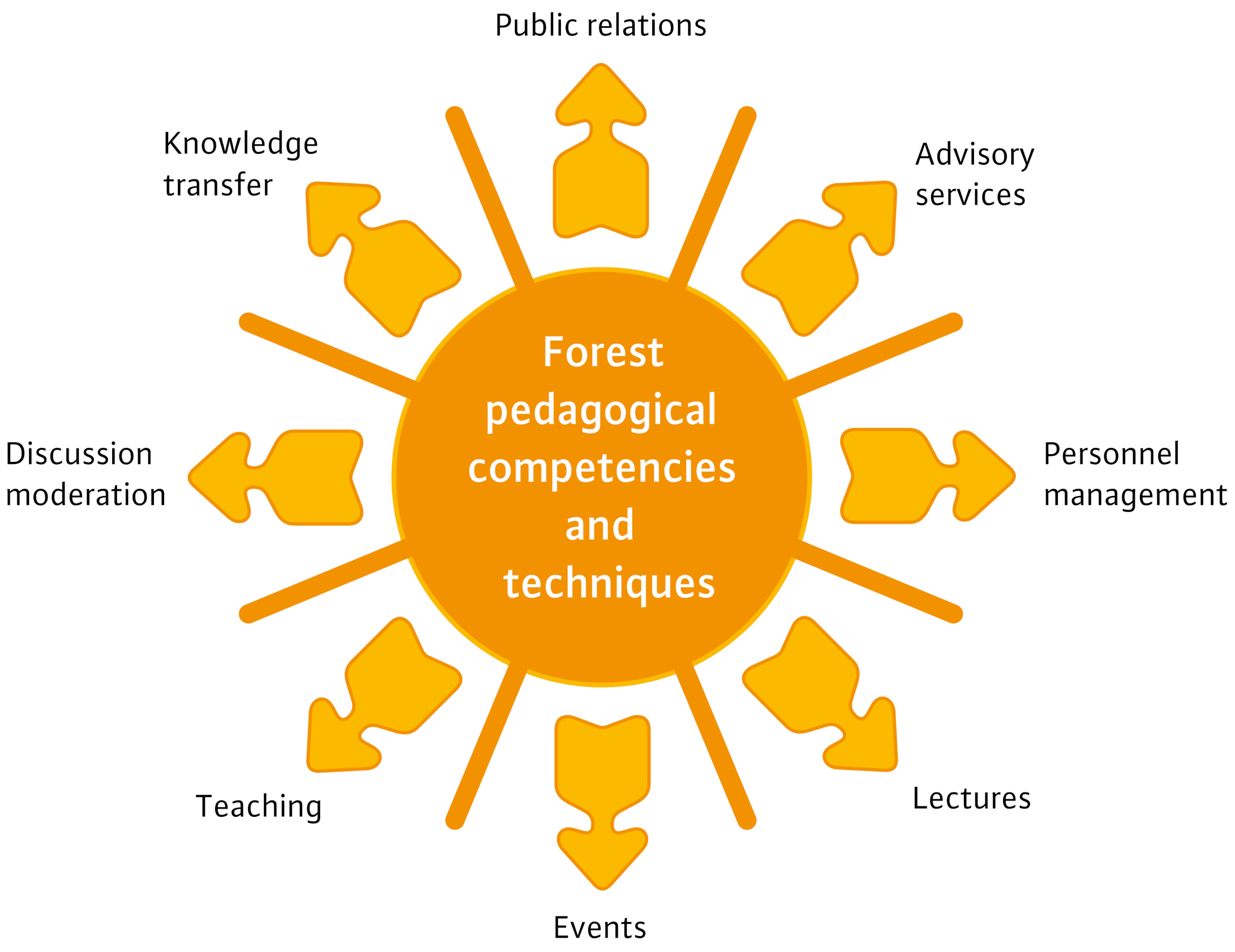
Fig. 3: Forest education skills and techniques “radiate” into other areas of work or benefit them.
Contribution to social sustainability
There can be no “right” in “wrong”. Forestry cannot be sustainable in the long term in a non-sustainable society or world. Climate change shows this, and the overexploitation and destruction of forests in many countries around the world underlines it. Those who are serious about sustainable forest management strive for sustainable social development. Certainly since the UN Decade of Education for Sustainable Development (2005-2014), great efforts have been made in forest pedagogy to help achieve this goal.
Forest education events are no longer just about forest knowledge, but also about helping people to acquire social skills, take value-oriented, independent action, and so on - aspects that are summarised in the term “key competencies”, a core concept of education for sustainable development (ESD). There are also activities that address issues of fairness in access to resources, or that require cooperation for the tasks to be mastered successfully.
The 17 Sustainable Development Goals (SDGs) of the United Nations have recently gained in importance in the context of ESD. Forest pedagogy can contribute a great deal, and not just to Goal 15, “Life on Land”, which is particularly concerned with forests. Topics such as “Responsible Consumption and Production” (Goal 12) or “Climate Action” (Goal 13) are equally relevant.
Forest pedagogy can also contribute towards inclusion. There are for example forest guided tours and forest youth game variants for people with disabilities. The “Module B Special Target Groups” forest pedagogy course (one of the modules leading to the Diploma in Forest Pedagogy [“Zertifikat Waldpädagogik”]) includes the preparation and implementation of a forest pedagogical event with people with physical and mental disabilities.
Quality assurance and networking
As a result of training programmes, the creation of functional positions, research and development projects, and networking with other stakeholders, forest pedagogy has steadily improved in terms of quality and become more professionalised in recent years. Forest pedagogy is one area also particularly suited to offering opportunities for collaboration with partners. Everyone involved benefits, and the forestry administration is able to present itself as a helpful partner in a good cause.
Forest pedagogy is taught at forestry colleges and universities and is among the topics that can feature in the state forestry examinations. The state forestry administration has its own internal training courses on forest pedagogy, including a course leading to qualification as a state-certified forest pedagogue. The 13 Bavarian forest pedagogical facilities (forest experience centres, the “Jugendwaldheim” forest educational centre for young people, and the Steigerwald Forest Centre) all have dedicated staff for forest education. There are coordinating offices at the Bavarian State Institute of Forestry and the State Ministry for Food, Agriculture and Forestry. Each Office for Food, Agriculture and Forestry has a forestry education officer who coordinates forest pedagogical programmes locally and is responsible for quality assurance in addition to management duties. Figure 4 gives an overview of the factors contributing to quality assurance and development in forest pedagogy.
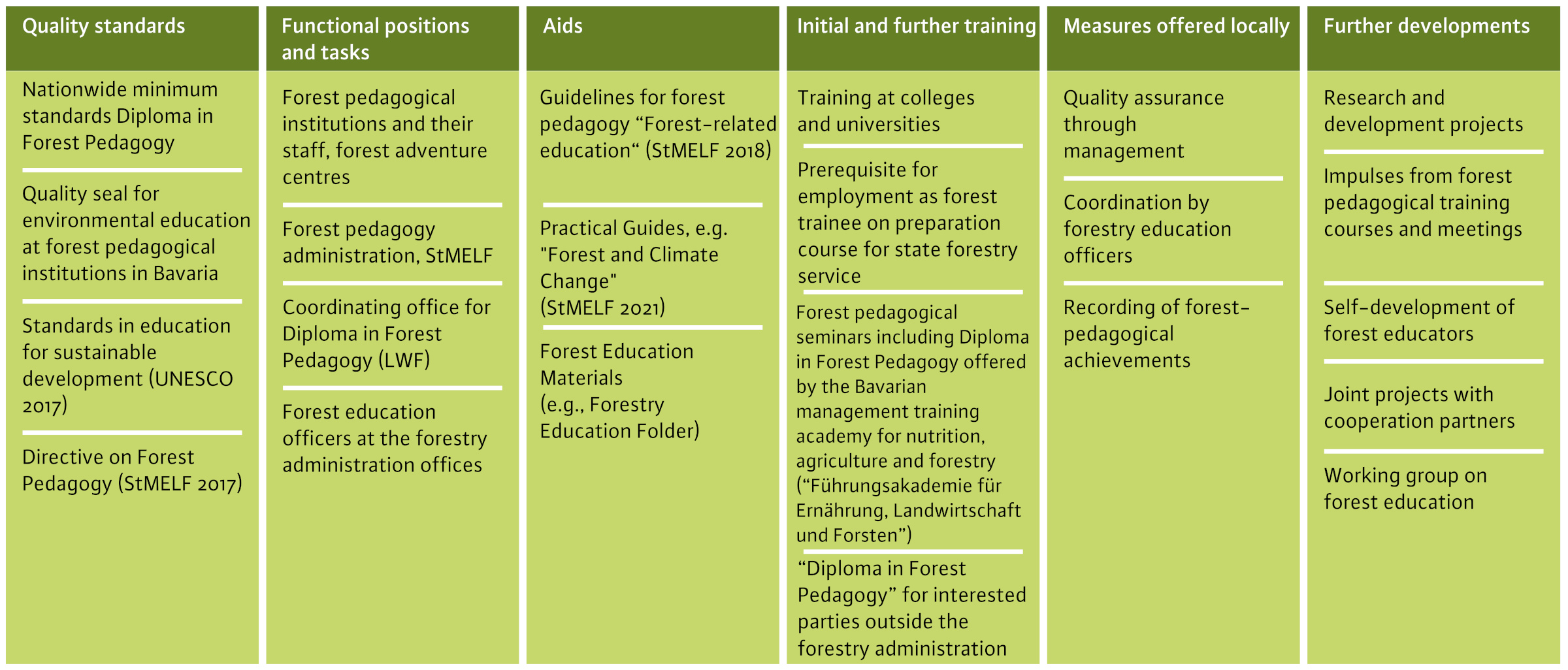
Fig. 4: Quality assurance and quality development measures in forest pedagogy in the Bavarian Forestry Administration
Another engine contributing to the ongoing development of forest pedagogy is the networking going on at different levels (see Figure 5). The Bavarian Forestry Administration is thus involved in the Forest Pedagogy Subgroup of the European Forest Communicators’ Network (Schmechel 2014), for example, which organises an annual international forest pedagogical congress.
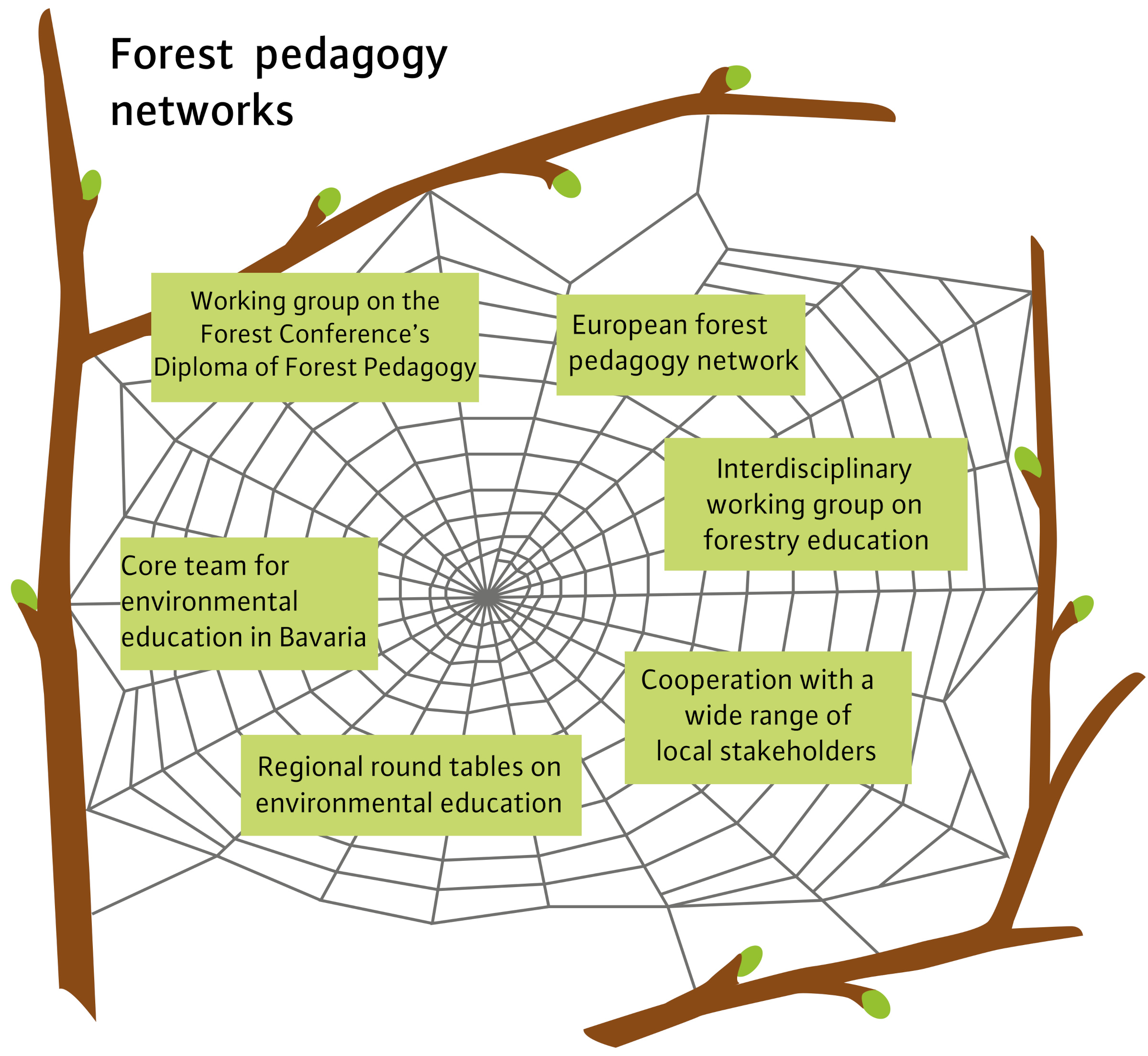
Fig. 5: The forestry administration networks with partners at various levels in forest pedagogy. This helps improve the quality of the educational programmes on offer and is beneficial for everyone involved.
The forestry administration is represented in the core team of the “Quality Seal for Environmental Education in Bavaria” (“Qualitätssiegel Umweltbildung Bayern”), alongside the Ministry of the Environment, the [Bavarian] Association for the Protection of Birds, the Bavarian Society for Nature Conservation, and the Working Group for Nature and Environmental Education. Together with the other stakeholders, it promotes the seal, thus creating a quality standard in the field of environmental education. Many of the forestry administration's forest education centres have been awarded this quality seal.
A national working group has been commissioned by the “Conference of Heads of the Federal Forestry Administration” (“Forstchefkonferenz”) to develop and supervise the Diploma in Forest Pedagogy, which sets minimum quality standards: To obtain the diploma, contenders must complete a specific training programme, including a practical work placement, and pass an examination. In Bavaria, interested parties can obtain the diploma at the Weihenstephan-Triesdorf University of Applied Sciences, internally within the forestry administration through seminars held at the management training academy in Landshut, and also externally, through courses that start annually and are coordinated by the LWF.
The Working Group on Forestry-Related Education set up by the State Ministry for Food, Agriculture and Forestry (StMELF) is an interdisciplinary working group made up of representatives from the Weihenstephan-Triesdorf University of Applied Sciences, the forestry administration, the Bavarian state forestry company (BaySF), the Bavarian Forest National Park, the Augsburg municipal forest, primary schools and grammar schools.
Various stakeholders in the forestry sector support each other at major forest pedagogical events such as forest youth games. As well as the organisers and implementers from the forestry departments at the Offices for Agriculture, Food and Forestry, former colleagues and employees of the state forest company BaySF and forest owners’ associations or employees from municipal forests etc. are also often present.
The various forest pedagogical institutions also work with many stakeholders in the surrounding area. In addition, there are regional “round tables on environmental education”, and all sorts of other cooperation locally, attended by forest education officers or other forest pedagogues.
Dangers and obstacles
Forest pedagogy is not only improving constantly and becoming more professionalised. It is also increasingly popular and much appreciated. Teachers are keen to take advantage of the forest-related educational activities and programmes on offer. Pupils are enthusiastic. And parents would not want to miss out on the opportunities, either. The forest pedagogical programmes offered by the forestry administration are well-recognised in environmental education, even if different approaches are sometimes taken in terms of content.
However, there are factors that challenge the forestry administration's commitment to forest pedagogy:
A good forest pedagogical event is varied, fun, and encourages active participation, so that participants can experience, explore and decide for themselves. This can lead to those who are unaware of the underlying pedagogical intentions and methods misunderstanding and underestimating the activities. What is supposed to be fun is dismissed as mere play. An activity should, of course, be enjoyable, but there are many other key quality criteria for forest pedagogy. A hasty judgement can devalue the achievement of a forest pedagogical approach.
Forest managers usually have less training in forest pedagogy than those who implement it. This can lead to an under-estimation of the value of forest pedagogical work, and impede quality assurance, which is after all the task of forestry managers. Forest pedagogues may as a result get the impression that their educational work is not appreciated.
The current crisis in forestry, which is being exacerbated by climate change, is also leading to staff shortages in the forestry administration. Advisory services, funding applications and policing activities seem to leave no time for work on other tasks. Hopes that the crisis can be overcome through prioritisation may lead to the neglect of forest pedagogy.
There are more and more alternative educational providers and influencers making their views on forest issues public. It is therefore all the more regrettable if high-quality, balanced forest pedagogical programmes fall silent for the reasons mentioned above.
Summary
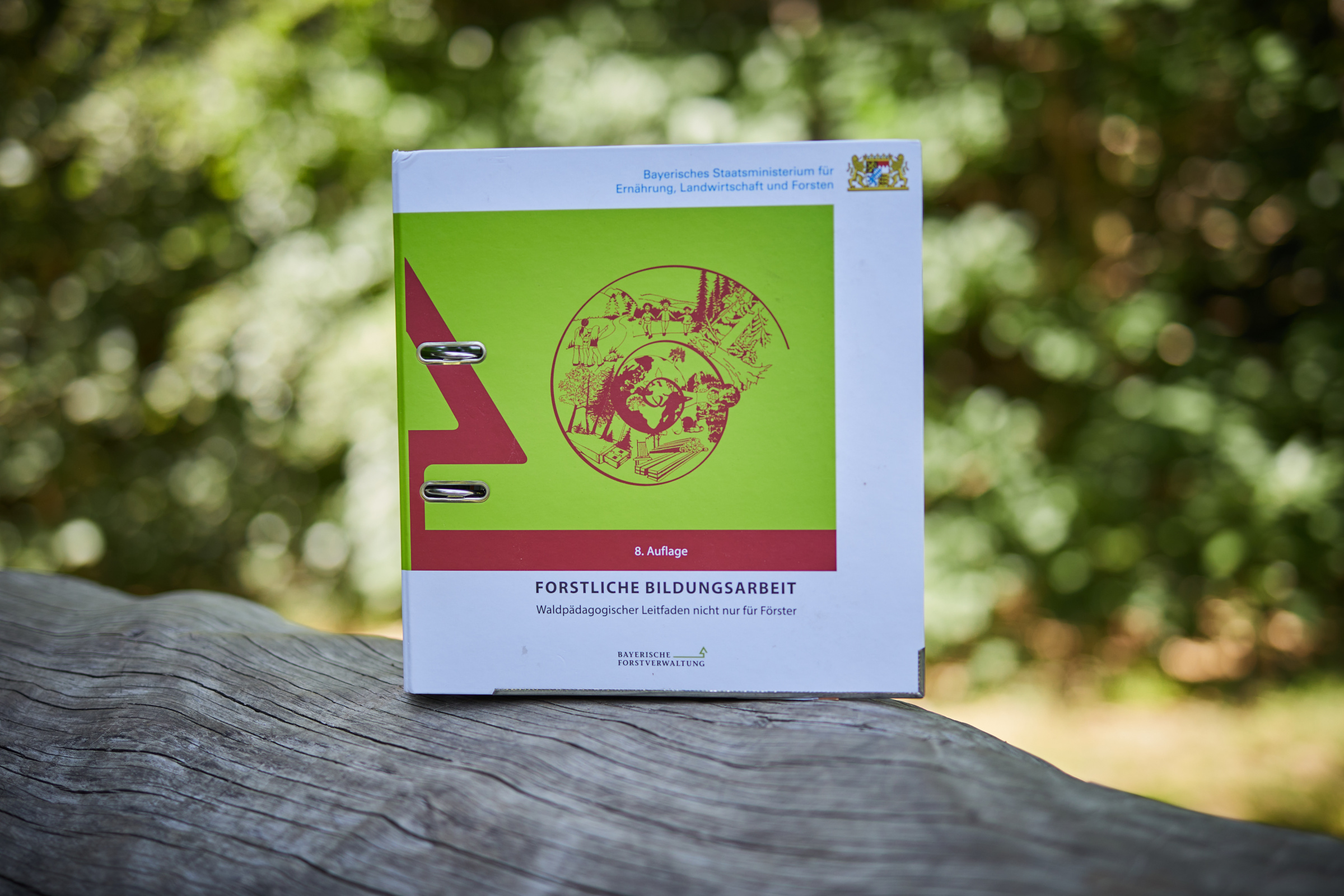
Fig. 6: The Bavarian State Ministry for Food, Agriculture and Forestry provides an extensive collection of suggested activities in its Forestry Education Folder. Photo: Robert Pehlke
Forest pedagogy helps to make the general public (children and adults alike) aware of the current challenges facing our forests and to create understanding and support for forest managers and their work. The pedagogical skills and communication techniques acquired and practised in forest pedagogy are helpful in many other areas of work, and universally applicable. Education and training in forest pedagogy, forest-related educational positions, and the forest educational tools developed (e.g. forest education folder etc.) have led to the professionalisation of forest pedagogy. By networking at various levels, the forestry administration is able to present itself as a helpful partner, and also gains support itself. Forest pedagogy makes a valuable contribution towards sustainable forest management and must not be neglected.
