



With the onset of the bark beetle calamity in the Franconian Forest in northern Bavaria, large areas of forest were denuded within a short space of time. For various reasons, these areas need to be reforested quickly. In addition to the natural disadvantages of the area (harsh Franconian forest climate in conjunction with steep and exposed sites, mostly nutrient-poor, shallow soils with species-poor previous stock), the rapid takeover of grass in particular makes reforestation efforts considerably more difficult. Against this background, the Bavarian State Institute of Forestry, together with the Offices for Nutrition, Agriculture and Forestry in Coburg-Kulmbach and Bayreuth-Münchberg, have tested a new, highly mechanised approach to the establishment of mixed stands on a large scale in the field, using commercially available timber harvesting technology and newly developed soil cultivation and sowing technology.
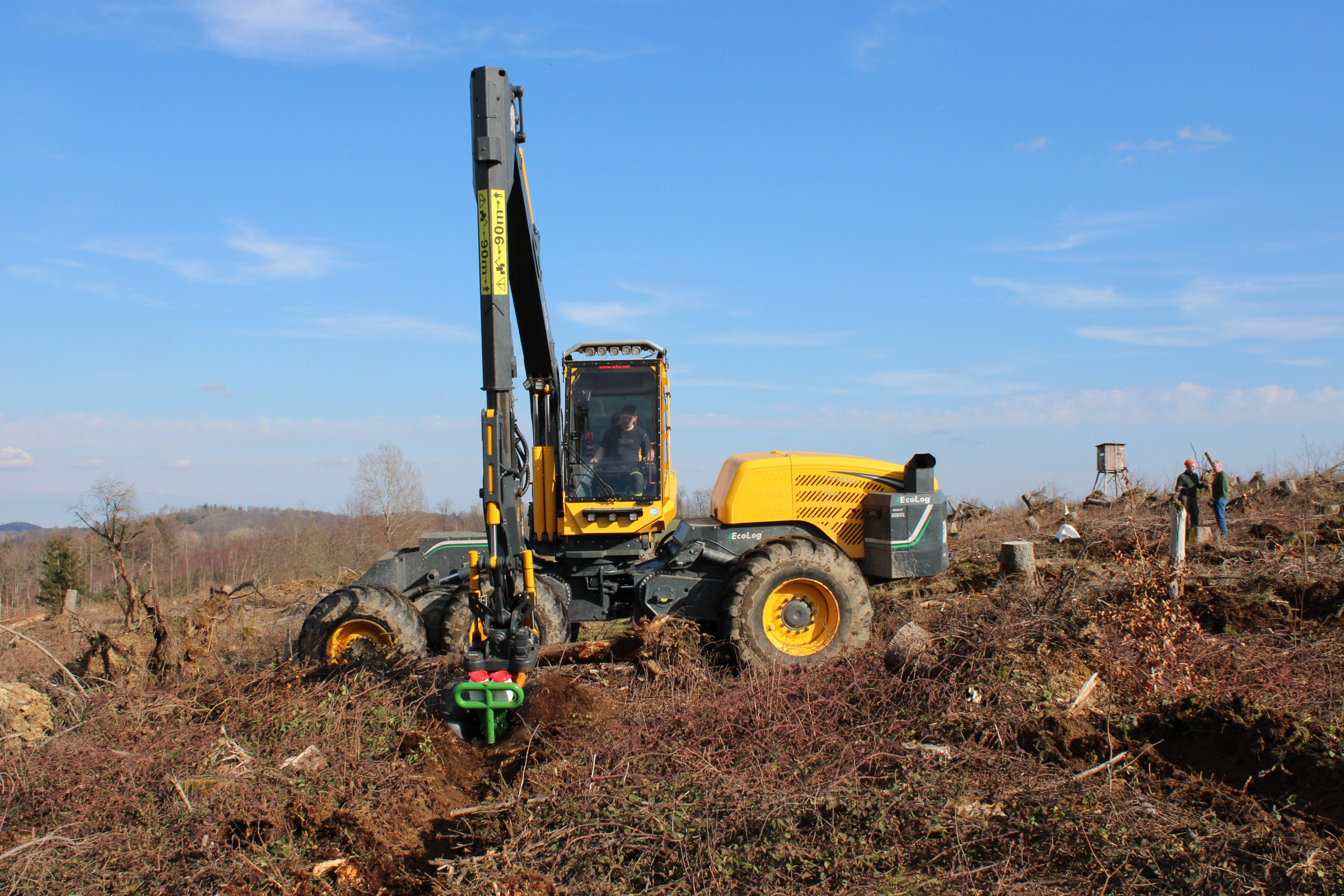
Fig. 1: Heavy timber harvester with attached seed head, sowing on a largely cleared damaged area in the Franconian Forest. In the centre of the area you can see an approx. 40 cm wide seed furrow in which the seed is sown in two rows. Photo: Paul Dimke (LWF)
BiMiSa - the basic idea
The difficult starting conditions described have required a renaissance of some less common silvicultural methods in recent times. Imitating natural development, the aim in the Franconian Forest is to establish new pioneer forests quickly on the damaged areas, through direct sowing (here with birch). Other climax tree species are planted at the same time (here: silver fir, Douglas fir, European larch and small-leaved lime). These grow up under the protection of the birch canopy. The sowing is supplemented by natural regeneration, especially spruce, pine, rowan and the occasional oak. This ensures that productive, resilient mixed stands are established at an early stage.
In contrast to previous trials, in which seed was sown by hand or by drone, the LWF used a harvester attachment (Figure 1) developed a few years ago for sowing in the BiMiSa project. This consists of a disc trencher and a sowing attachment for seed material of two size classes. This allows high area coverage on the one hand, while the seeds are also spread efficiently and have good chances of becoming established thanks to the targeted opening of the uppermost mineral soil layers (Figure 2).
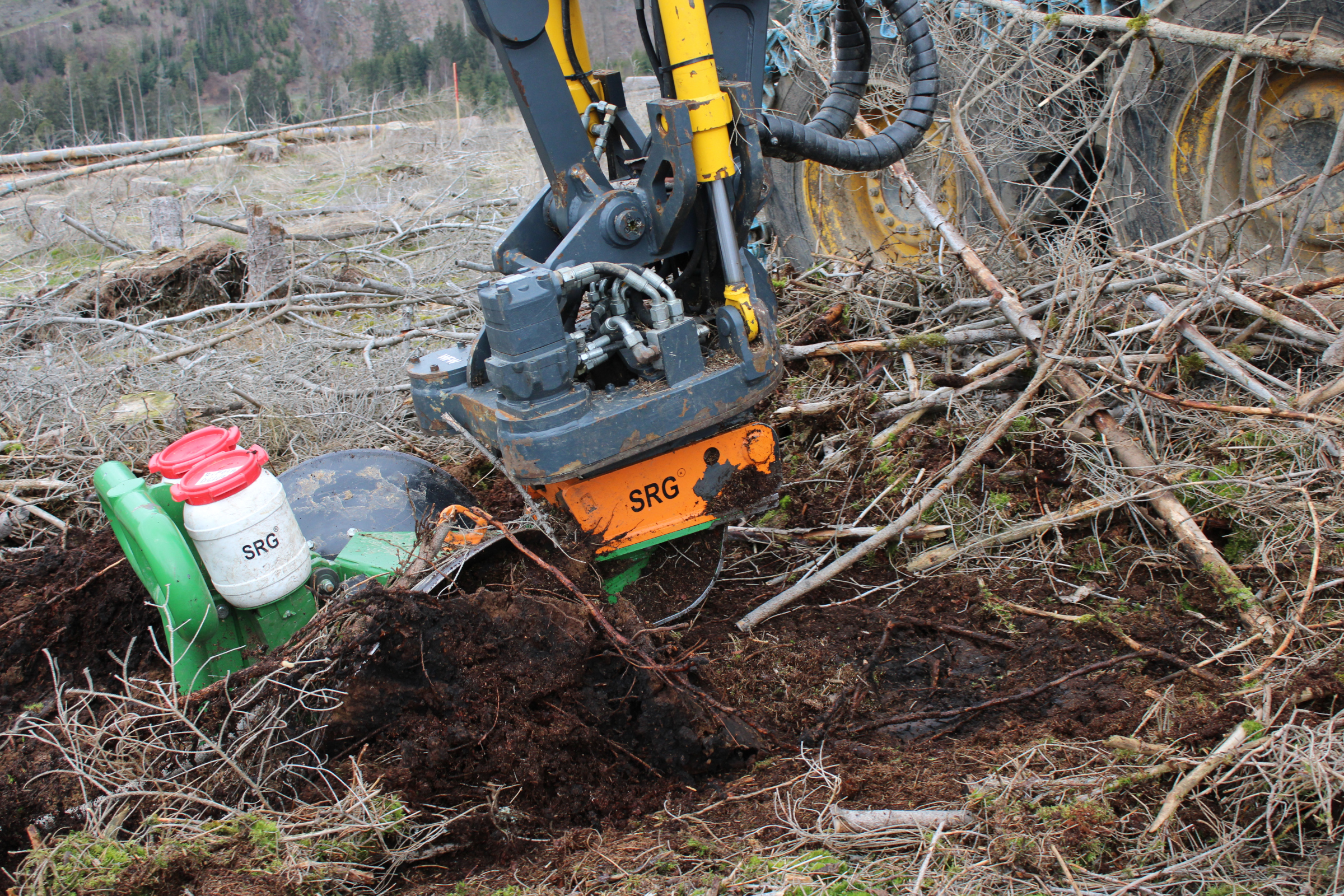
Fig. 2: Harvester sowing aggregate, consisting of a disc trencher with a sowing attachment for seeds of different sizes (white containers). Photo: Paul Dimke (LWF)
Project design and implementation
Planning for the BiMiSa project began in October 2022. In order to achieve meaningful results that would allow appropriate recommendations for implementation in forestry practice to be made, the project was set up over an extensive area, covering a total of 20 ha of completely cleared damaged areas. Only areas in privately owned forests were selected. 12 forest owners made their land available for the appropriate seed trials. The forest seed was provided by the Bavarian Office for Forest Genetics (birch), the Bindlach Plant Garden Support Centre of the Bavarian State Forestry Company (small-leaved lime, larch) and a seed merchant (fir, Douglas fir). Sowing was carried out by a specialised contractor between March and May 2023, with weather-related interruptions.
One important aim of the seed trials was to avoid machinery being driving over extensive areas of the forest floor. To achieve this goal, driving tracks were measured out at 25-metre intervals on the cleared areas before sowing, and marked in the middle. The areas between them were sown mechanically using the 14-metre-long gripper arm of the harvester.
The costs of the seed and the task of sowing itself were borne by the Bavarian Forestry Administration as part of the pilot trial. The forest owners had to bear the costs of the fencing and, as part of a longer-term contractual arrangement, assume responsibility for subsequent fence control and maintenance, and allow unrestricted access for scientific surveys.
To maximise the likelihood of mixed stands developing under a protective pioneer forest canopy, comparatively high quantities of seed were used in the project. The seed quantities used and the seed costs are shown in Figure 3.
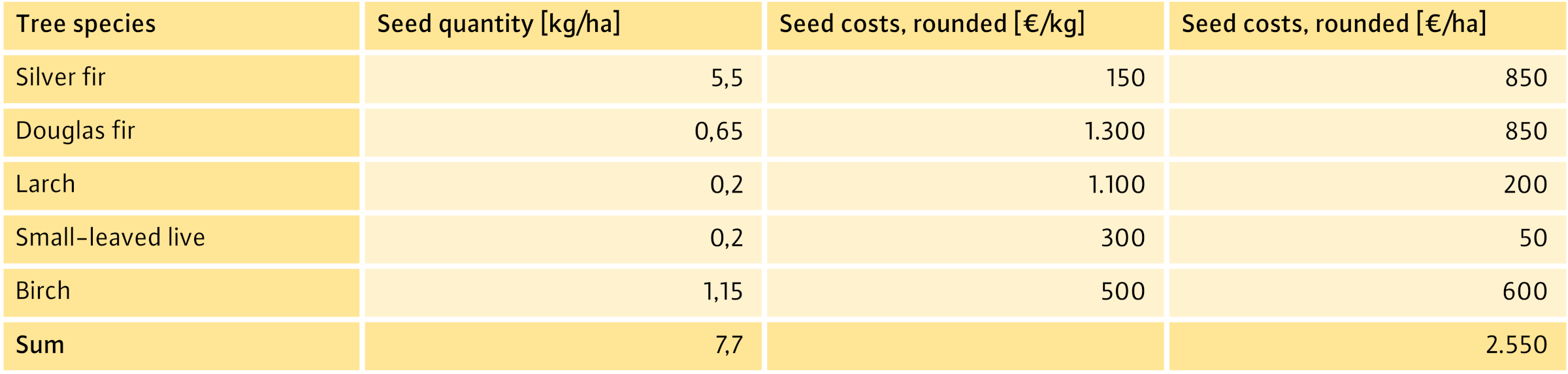
Fig. 3: Seed quantities and seed costs (status as of 1st quarter 2023, figures rounded) of the BiMiSa project.
Results and experiences to date
For practical reasons, the same mixture of five tree species as listed in Figure 3 was sown on the seed plots. Only the birch seed varied between untreated and coated seed. Approx. 1,800 linear metres of seed furrows were created per hectare of seed plot.
Numerous sown fir trees germinated as early as the beginning of May 2023, followed by Douglas firs and some larches. The first birch trees emerged in summer. As expected, the lime trees did not germinate immediately; this was expected to happen in spring 2024. Multiple counts in the seed furrows showed approx. 10 seedlings per linear metre in summer 2023. At a calculated 18,000 trees per hectare, this corresponds to around ten times the number in a plantation and is far higher than the expected final tree numbers. Figure 4 shows the preliminary emergence figures for the five tree species on the BiMiSa plots up to the end of November 2023.
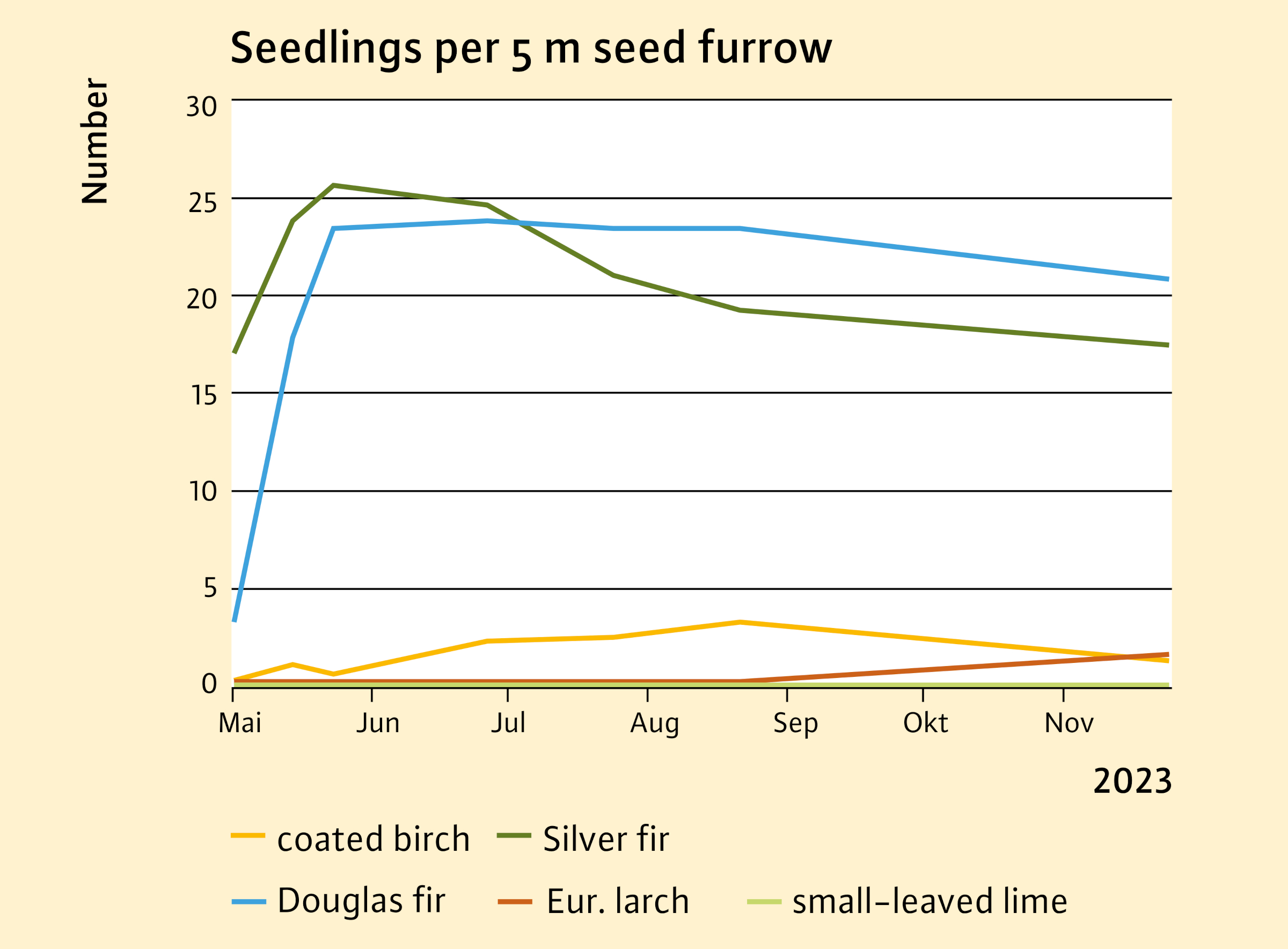
Fig. 4: Emergence results for five tree species in the BiMiSa project up to mid-September 2024.
Despite some unfavourable weather conditions, numerous seeds germinated; the emergence results are thus regarded as being very positive at this point, especially given the likelihood of further seedlings emerging in the years to come. In terms of the goal of establishing structured mixed stands, current assessments also judge the partially clustered distribution of the seedlings in the seed furrows to be positive. The LWF will analyse the associated tending requirements to be expected in the coming years and make appropriate recommendations for forestry practice.
The costs of the sowing operation in the project with integrated soil processing by the harvester (including final clearance of unwanted branch material from the area) were just under €5,000 (gross) per hectare. The seed used to establish mixed stands cost around €2,500 per hectare (Figure 3). For the fencing that was necessary, the forest owners had to invest around €12 per running metre of fence (red deer). In considering these costs, it should however be taken into account that they were incurred for a pilot trial that was designed to test the procedure and its scientific evaluation.
To reduce the seed and soil cultivation costs per hectare, the availability of larger, preferably contiguous areas of forest that allow for the efficient deployment of the machine without multiple machine relocations is important. A possible reduction in the seed quantity per hectare and the timely procurement of seed may also help to reduce overall costs. The LWF will continue to make observations on this and will issue appropriate recommendations in due course. If game populations are managed appropriately, it may also be possible to dispense with fence protection.
Outlook
Following the described mechanical sowing operation on the damaged areas, the method was trialled in a spruce stand in the Franconian Forest after regular timber harvesting. Approx. 5 kg of uncoated fir seeds were sown per hectare. Figure 5 shows an example of the emergence success in a seed furrow approximately six months after sowing. A numerical evaluation of this seed trial under canopy in a mature stand is not yet available.
The LWF will continue to visit the seed plots in the BiMiSa project regularly in 2024 and in subsequent years, and will carry out the appropriate surveys in order to optimise the procedure and to be able to make recommendations for its application in forestry practice. Issues such as “standard seed mixtures for different growth regions in Bavaria”, “process chain optimisation” and “digitised process documentation” are to be investigated at the same time. In the short term, it seems important to assess the need for tending and the expected costs of tending, and to optimise the tending process on the seeded areas in the first years after sowing.
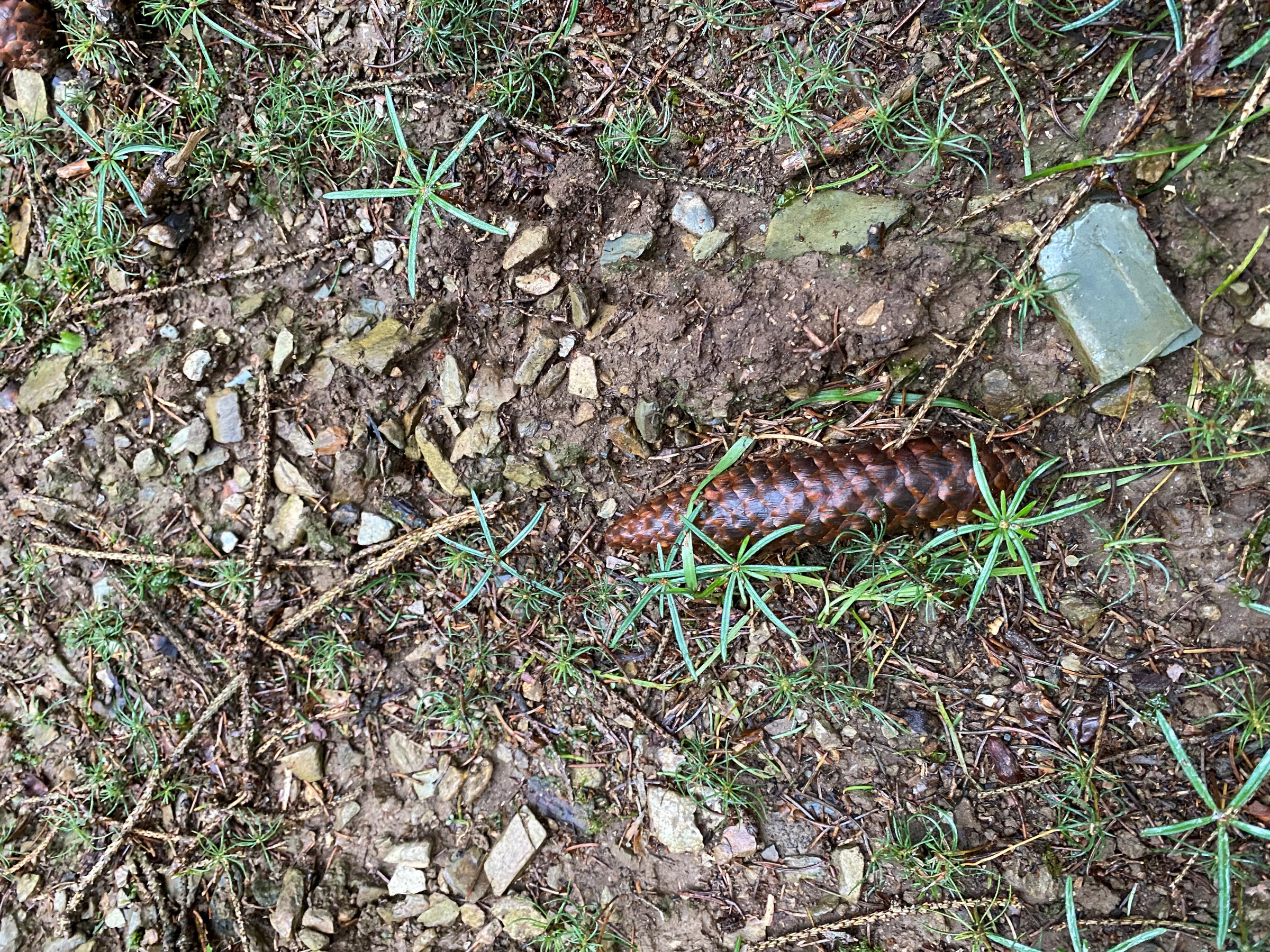
Fig. 5: Fir seedlings (next to naturally emerging spruce regeneration) in a seed furrow created by the disc trencher in a former spruce stand in the Franconian Forest. Photo: Hans-Joachim Klemmt (LWF)
Summary
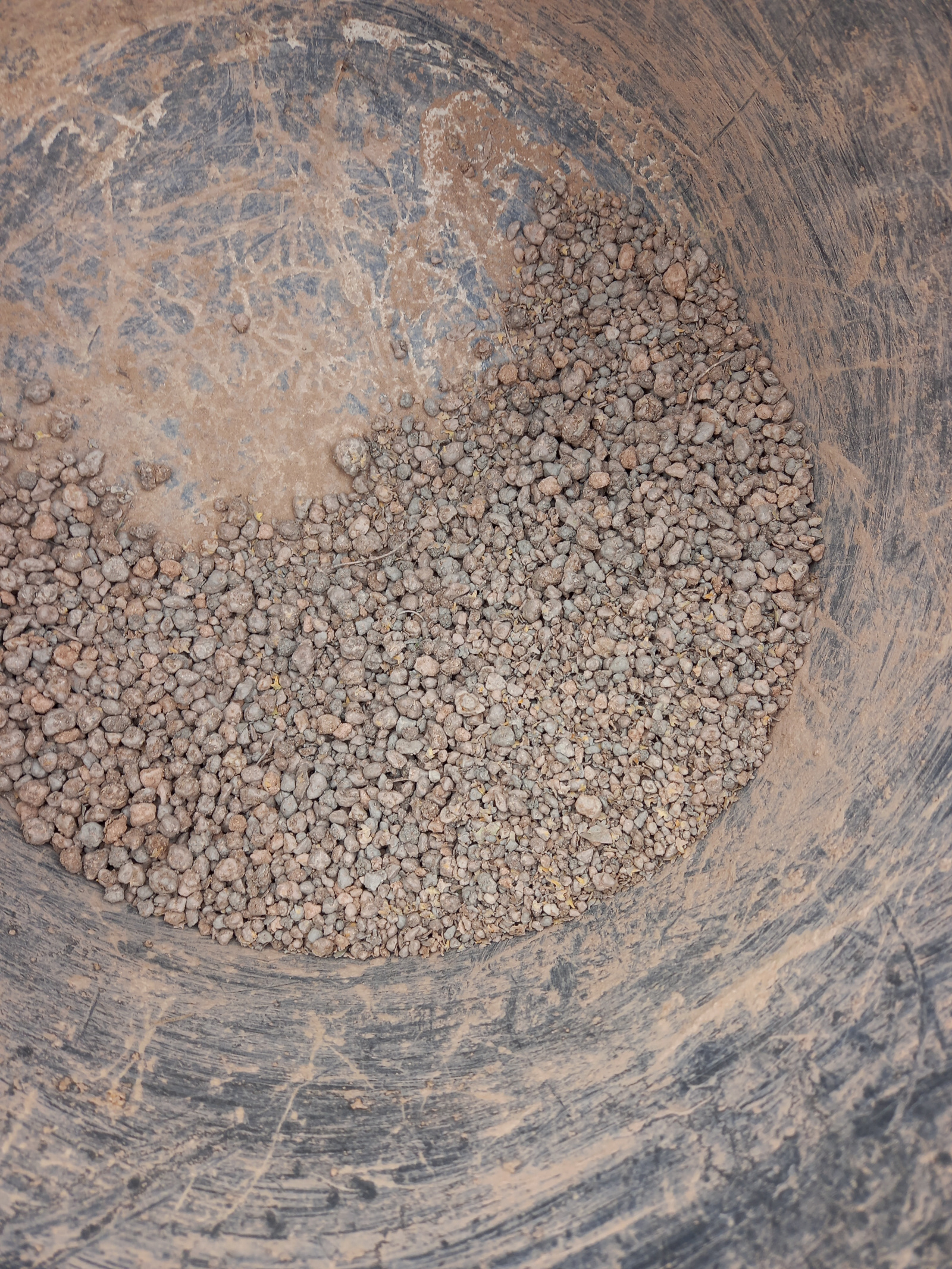
Fig. 6: Clay-coated (coated) birch seed for sowing using the SRG 90 disc trencher. Photo: Ottmar Ruppert (LWF)
Under the acronym “BiMiSa”, the Bavarian State Institute of Forestry, together with the two local forestry administration offices in the Franconian Forest, has set up a highly mechanised forestry operation to establish mixed stands under a pioneer forest canopy. This large-scale direct sowing trial represents a possible alternative approach for both regular forest conversion and for the reforestation of large damaged areas.
