



With reforestation areas increasing certainly by 2018 due to extensive wind and bark beetle damage, and the ongoing conversion of the forest to more climate-resilient tree species (deciduous trees with some fir, Douglas fir, and larch), a rise in the damage caused by this plantation pest was to be expected. And the number of damaged areas reported has indeed increased, especially in the Harz Mountains and Bavaria.
Significance in Germany
In Europe, the large pine weevil (Hylobius abietis) causes feeding damage on several tens of thousands of hectares of plantation forest every year. This represents losses amounting to around €120 million. The damage in Germany ranks 11th, with an estimated cost of €2 million. The average annual area of damage reported in the federal states between 2012 and 2023 was approx. 710 ha/year (Fig. 1).

Fig. 1: Overview of reported damage caused by Hylobius abietis to young plants in the federal states. No figures are available for Hesse, Saxony-Anhalt and Lower Saxony. The figures shown here represent the total damage, with no differentiation according to degree of damage and tree species. Source: AFZ annual forest conservation reports [German forestry journal]
Insight into the biology of the species
The adult beetles (Fig. 2) often colonise regeneration areas in spring after felling - either by flying or by walking. They are attracted by the smell of fresh conifer stumps, which they use as a breeding habitat. The beetles do not actually feed on the stumps themselves. In the first wave of feeding, they feed on the regeneration, especially on existing natural conifer regeneration or on freshly planted conifers in the vicinity. The pockmark-like feeding damage that is visible at an early stage is very characteristic (Fig. 2). During this process, the bark and cambium are gnawed away in patches from the root collar to the branches, creating funnel-shaped wounds that penetrate to the sapwood and often ooze resin at the edges. If the stem is ring-barked completely (girdled), the plant may die. Smaller patches of feeding damage usually heal.
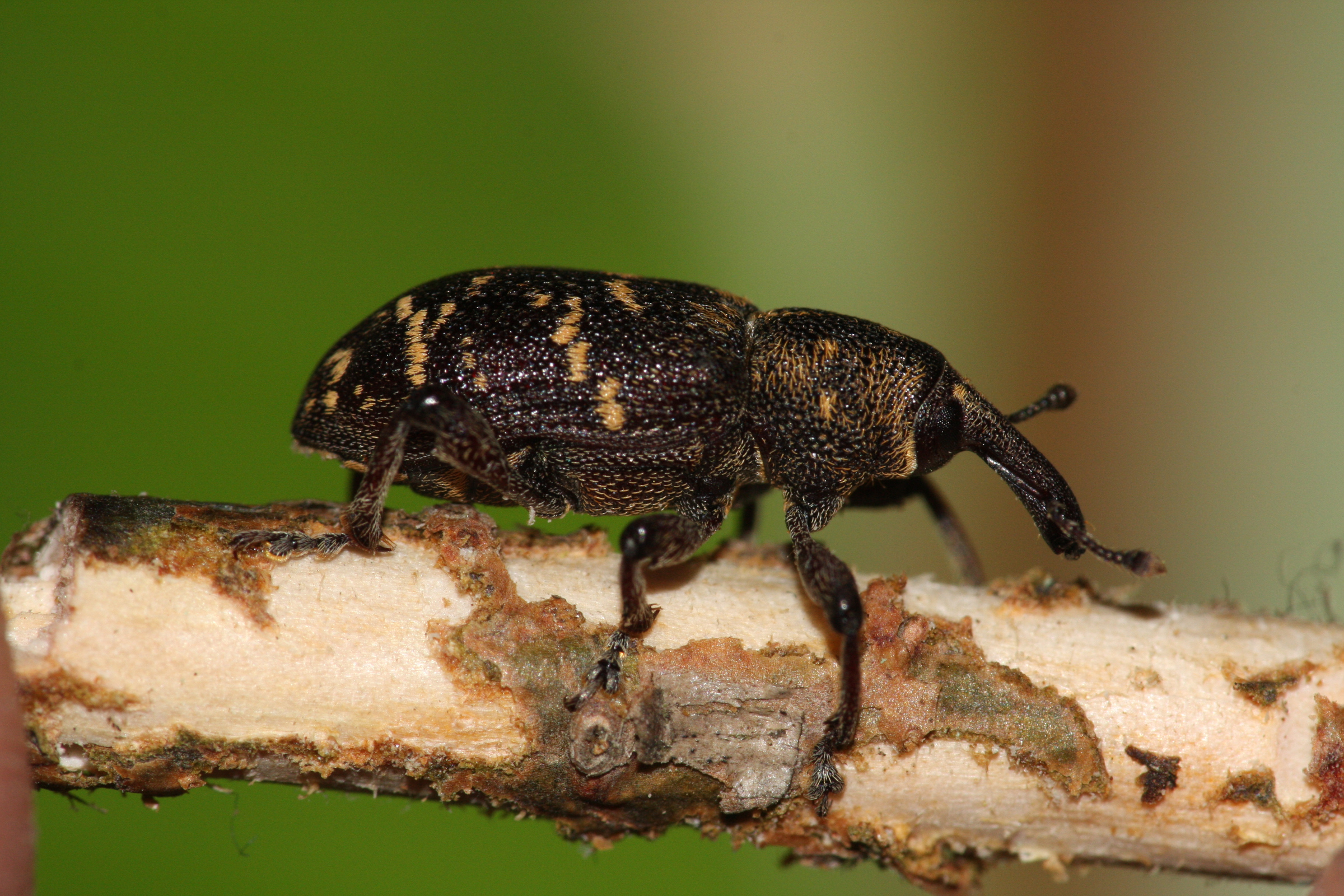
Fig. 2: Large pine weevil and the typical pockmark-like feeding damage. Photo: F. Matschulla (Sachsenforst)
The eggs are laid on fresh stumps from April/May to August/September. The larvae feed on the dying or already dead roots of the stumps or on the stumps themselves, thereby initiating the decomposition process. This feeding does not cause any damage.
Depending on when the eggs are laid and the weather conditions in summer, the first young beetles occasionally appear in the first year (August/September), but usually after one or two years, between April and June, or from August to September. They complete their maturation feeding in a second feeding wave, again on the bark of mainly young conifer plants. This can cause considerable damage or a loss of vitality in the young plants.
The beetles are relatively long-lived, with a life expectancy of up to four years. From our experience we know that regeneration areas with fresh conifer stumps are often at risk from the weevil for two to three years, with the stumps remaining suitable for breeding for up to two years after felling. In the second year, it is mainly the young beetles hatching on the site that cause damage with their maturation feeding. If fresh breeding space is created at the edge of the site as a result of storm and bark beetle damage or planned felling measures, the period of risk is prolonged accordingly.
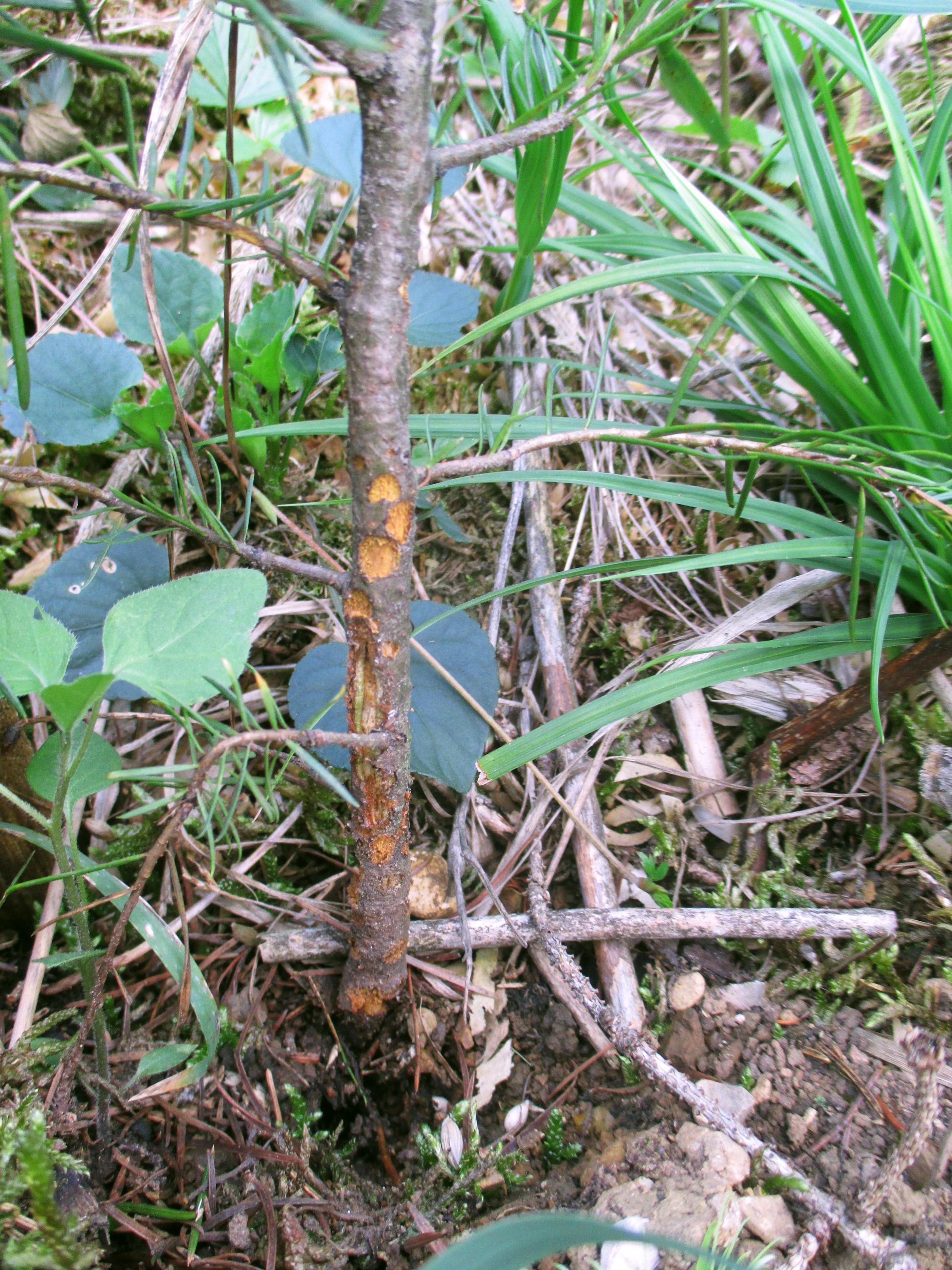
Fig. 3: Typical pockmark-like feeding patterns of the large pine weevil. Photo: Cornelia Triebenbacher (LWF)
Feeding preferences of the beetles
In forestry practice it has often been observed that the beetles feed specifically on planted spruce trees, while usually sparing the natural regeneration. Weevils use their sense of smell and sight to find their host plant. Artificially regenerated plants from the nursery have a different scent to the wild seedlings and natural regeneration on the site. The shock of planting can also lead to a lack of water and reduced resin production, which further predisposes the plants to beetle damage. The beetles are polyphagous, i.e. they do not specialise in one tree species. When infestation pressure is high and the food supply is limited, they also feed on the bark of deciduous trees such as birch, common beech and oak. However, serious damage to deciduous trees is rare. The beetles’ preferred conifers are Douglas fir, Sitka spruce and larch - ahead of pines, other spruce species and firs.
The intensity of the beetles’ feeding depends on the temperature and the tree species. Laboratory tests showed that the observed feeding area increased in size with rising temperatures. At 10 °C the beetles ate around 50 mm² of Scots pine bark (about 7 x 7 mm); at 20 °C it was as much as 250 mm² (about 16 x 16 mm). With spruce bark, the values at the same temperatures were “only” around 30 mm² and 140 mm² respectively. Whether feeding occurs on a host plant is also strongly dependent on the soil type on the microsite. If the plant is surrounded by humus or soil mixed with humus, the probability of weevils feeding on it is almost 50 % higher than with pure mineral soil. This is mainly because of the better hiding places for the beetle in the humus. Because of the emerging accompanying vegetation, however, this effect can usually only be observed in the first year.
Activity criteria
Adult weevils react to different light and temperature conditions. During the day they usually remain at the base of their host plants, and only climb on to the plant after dark. From an ambient temperature of around 8 °C they become active, but are still quite sluggish. At temperatures above 30 °C the beetles become inactive; from 40 °C they fall into heat torpor, which often leads to death from the heat.
Larval development is also strongly dependent on temperature. Laboratory experiments showed that at development temperatures between 10 °C and 20 °C, the larvae entered a period of developmental dormancy (diapause) before pupation, which could last several months. At temperatures of over 25 °C, the larvae pupated after only a short period of dormancy. This explains why the young beetles can sometimes appear as early as the summer of their first year. In view of climate change, this could contribute to a faster development cycle for weevils.
Adult beetles fly in spring to areas with fresh stumps, but then increasingly lose their ability to fly, and later move only by walking in summer. Their ability to fly returns at the end of summer. The beetles often retreat to adjacent stands to overwinter. They can fly several kilometres; studies have shown that when walking, beetles can cover distances of up to 30 metres per day.
Silvicultural precautions
Where possible, avoiding large clear-cuts and regeneration areas is the best way to prevent weevil damage. The nationwide trend in Germany towards small-scale regeneration methods without clear-cutting on the one hand, and the increasing change of tree species in the regeneration on the other are the main reasons for the continuous decline in infestation throughout Germany in recent decades. However, as damage events affecting extensive areas are currently on the increase, the long-term establishment of advance regeneration under canopy is an important preventive measure in integrated forest protection, especially in coniferous stands.
Having cover of more than 80 mature trees per hectare over regeneration areas significantly reduces damage. Regeneration areas without canopy cover should be kept as small as possible, as feeding damage increases with the distance from the edge of the neighbouring stand. Stand regeneration should as far as possible be through natural regeneration rather than planting, as natural regeneration is less susceptible to weevil damage. A felling interval of at least two years reduces weevil damage if no new stumps are added during this time and in the year of planting. Larger and more vigorous plant categories (e.g. 2+1, 30 to 60 cm, 1+2, 40 to 70 cm or 50 to 80 cm) also reduce the extent of damage. Healthy plants with a root neck diameter of 10 mm or more can withstand even severe feeding damage. However, there are silvicultural and economic disadvantages to using larger plants (root development, less selection, planting shock, etc.). Scoring the soil (down to the mineral soil) in a radius of 40 cm around the plant also reduces the likelihood of feeding damage. A similar result can be achieved by raising the plants slightly (mounding).
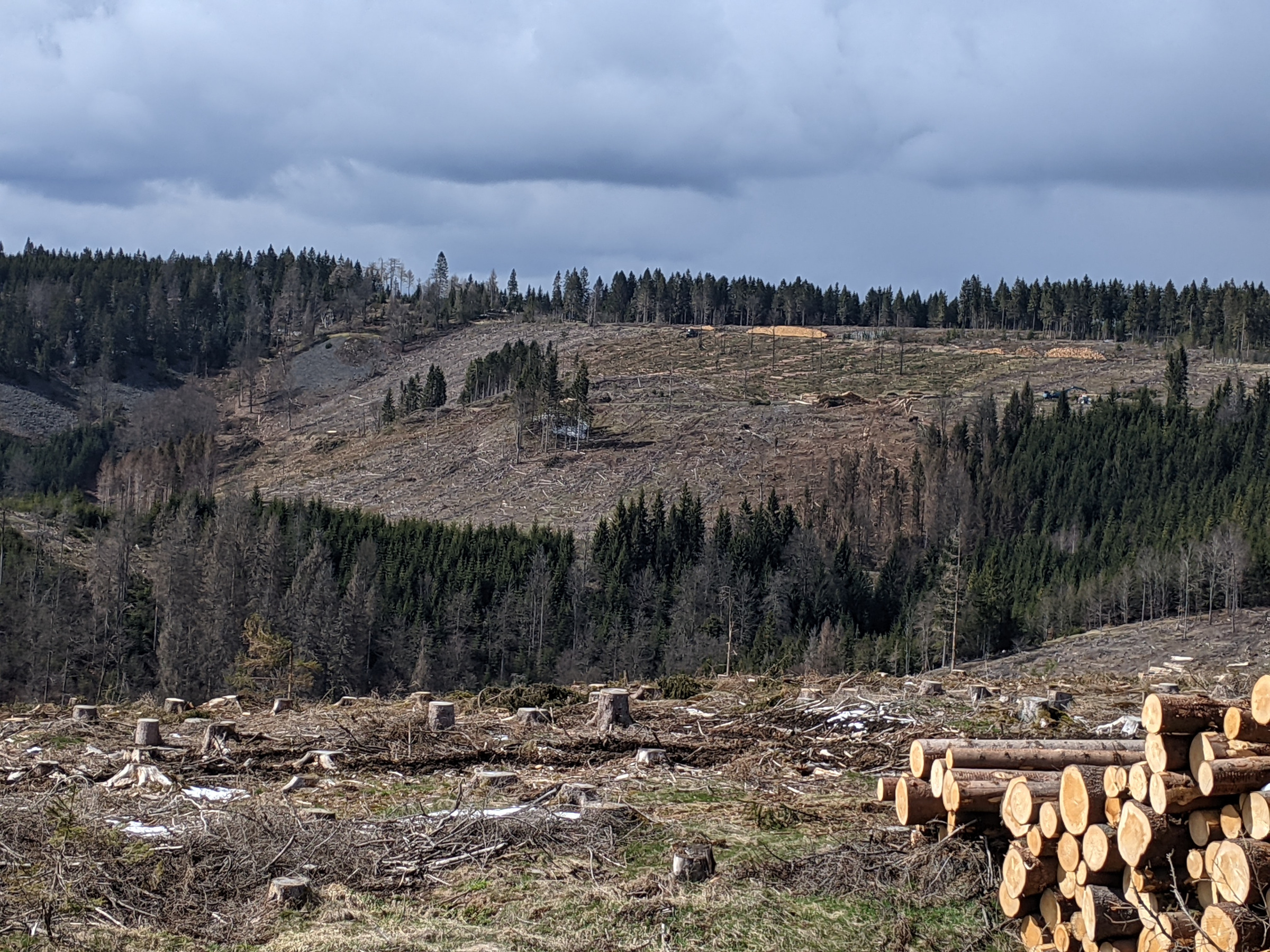
Fig. 4: Large clear-cut areas in former coniferous forests provide plenty of breeding habitat for the large pine weevil. Photo: Andreas Hahn (LWF)
Technical countermeasures
In addition to silvicultural measures, there are also technical options for controlling or preventing damage, albeit with varying degrees of effectiveness. Protective collars or the coating of the plants (e.g. with wax or a sand mixture) have shown varying degrees of effectiveness in trials, but each measure on its own has generally not been sufficiently effective. The removal of stumps or mulching of large areas are not effective measures.
The infestation pressure can be reduced somewhat by laying out trap logs, trap bark, or by using various traps with attractants. The use of trap logs is however very time-consuming. The logs must be checked several times a week and the beetles that are underneath them during the day need to be collected manually. Because they dry out, trap logs and trap bark must be replaced at least every fortnight. Various attractant trap systems have already been or are currently being tested. The attractant alpha-pinene in combination with 70% ethanol has proven effective in various trials. So-called Nordlander traps have also proven successful. Without trapping fluid, however, the beetles can escape from the trap systems. The use of attractant-baited trapping systems for pest reduction also requires approval under plant protection legislation. As there are no approvals for the trapping systems mentioned, they can only be used for monitoring purposes.
There is no universally applicable critical density (= number of catches/plant or unit of area) for the necessity of control measures, as this depends on too many individual factors, such as the tree species to be protected, and the size and vitality of the plants. Furthermore, the “true” population density per unit of area remains unknown. The literature contains estimates of the population density of weevils on bare areas ranging from a few hundred to 70,000 beetles/ha. It is not known how high the population densities in Germany may be.
Further countermeasures
In some European countries, there are trials being carried out involving the application of entomopathogenic nematodes and fungi as biocontrol agents. In principle, various nematode strains and fungi are very effective in attacking the larvae and eggs of weevils. However, studies on the application of nematodes carried out by the Northwest German Forest Research Institute NW-FVA have so far fallen short of expectations.
If acute damage occurs, some forest protection agencies recommend the following procedure: Potentially endangered reafforestation areas (areas formerly stocked with conifers) should be checked for feeding damage at least twice a year.
The first check is carried out once the air temperature exceeds 8 °C, from April, and especially in May and June; the second check is made in August/September at the peak of the second wave of feeding. The inspections involve the checking of ten plants at each of ten locations distributed across the area. The locations of the points should cover different areas of the plantation as representatively as possible, as the weevils cause varying degrees of feeding damage across the area. If smaller plants (root neck diameter up to 1 cm) suffer severe damage - i.e. several feeding sites per plant that also tend to girdle the stem (Fig. 5) - considerable losses are very likely in the subsequent period.
There is no universal threshold value for the number of severely damaged plants that would justify the use of insecticides, as other local factors must be taken into account in addition to the number of damaged plants. These factors include the age of the stumps, the foreseeable addition of further fresh stumps, the tree species to be protected, the size and vitality of the plants, the time of recording, and the feeding dynamics. The critical number is therefore assessed differently in different federal states and ranges between 10 % and 30 % of severely damaged plants. Based on this prognosis and taking into account all aspects of plant protection law (e.g. protected areas), it is possible to use an approved plant protection product as a last resort in the sense of integrated plant protection. Other requirements, such as those prescribed by certification systems, must be complied with.
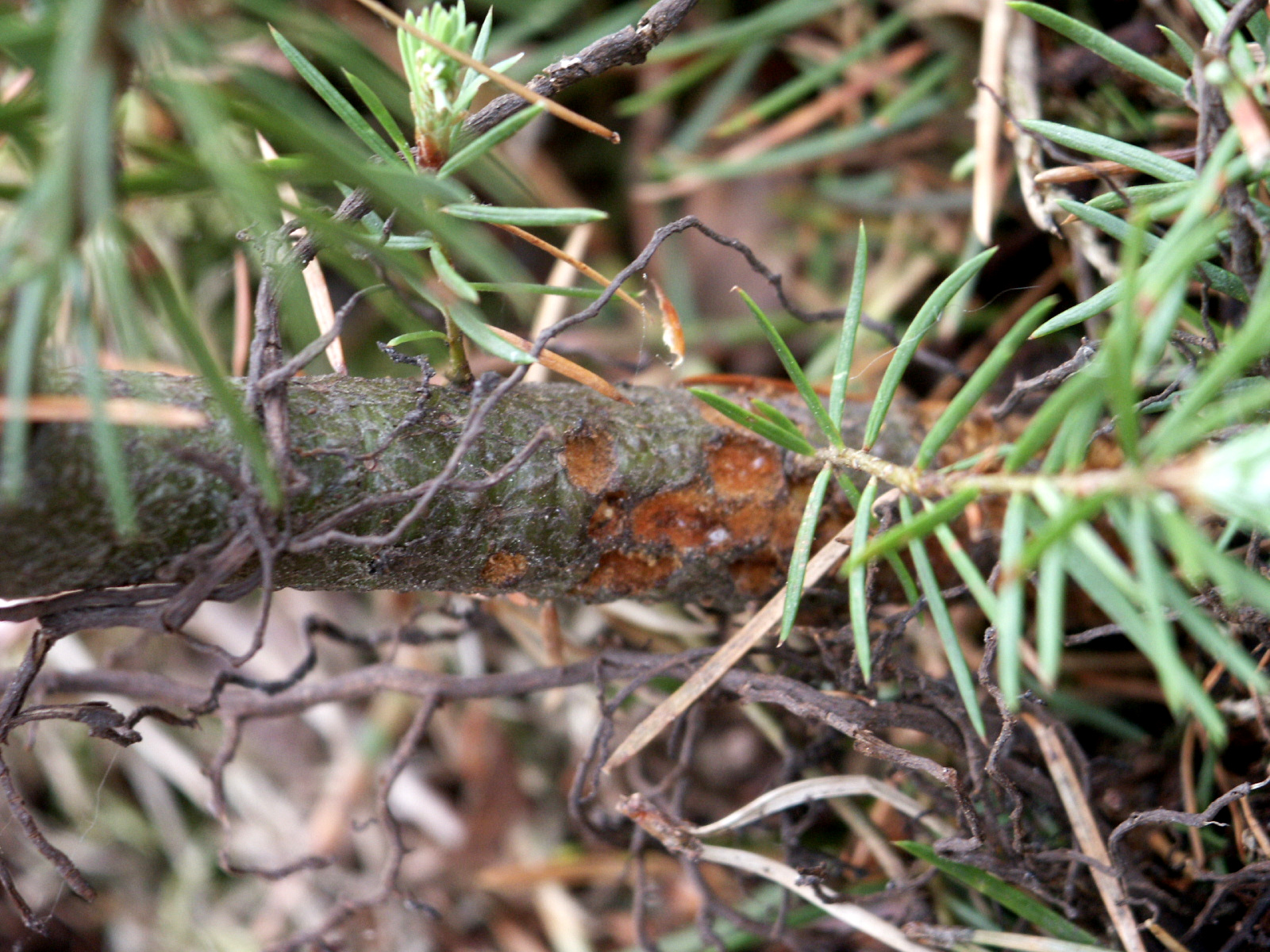
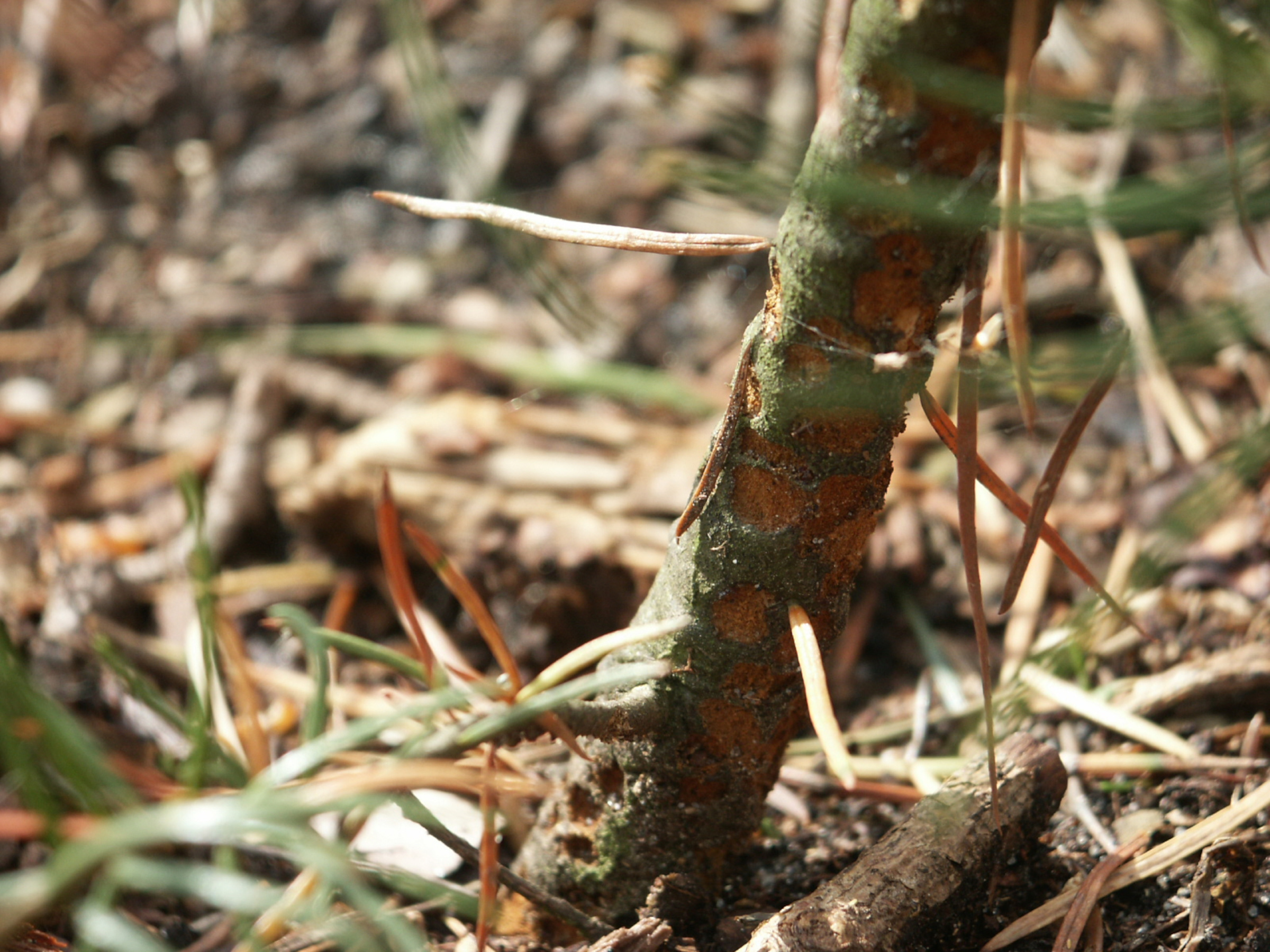
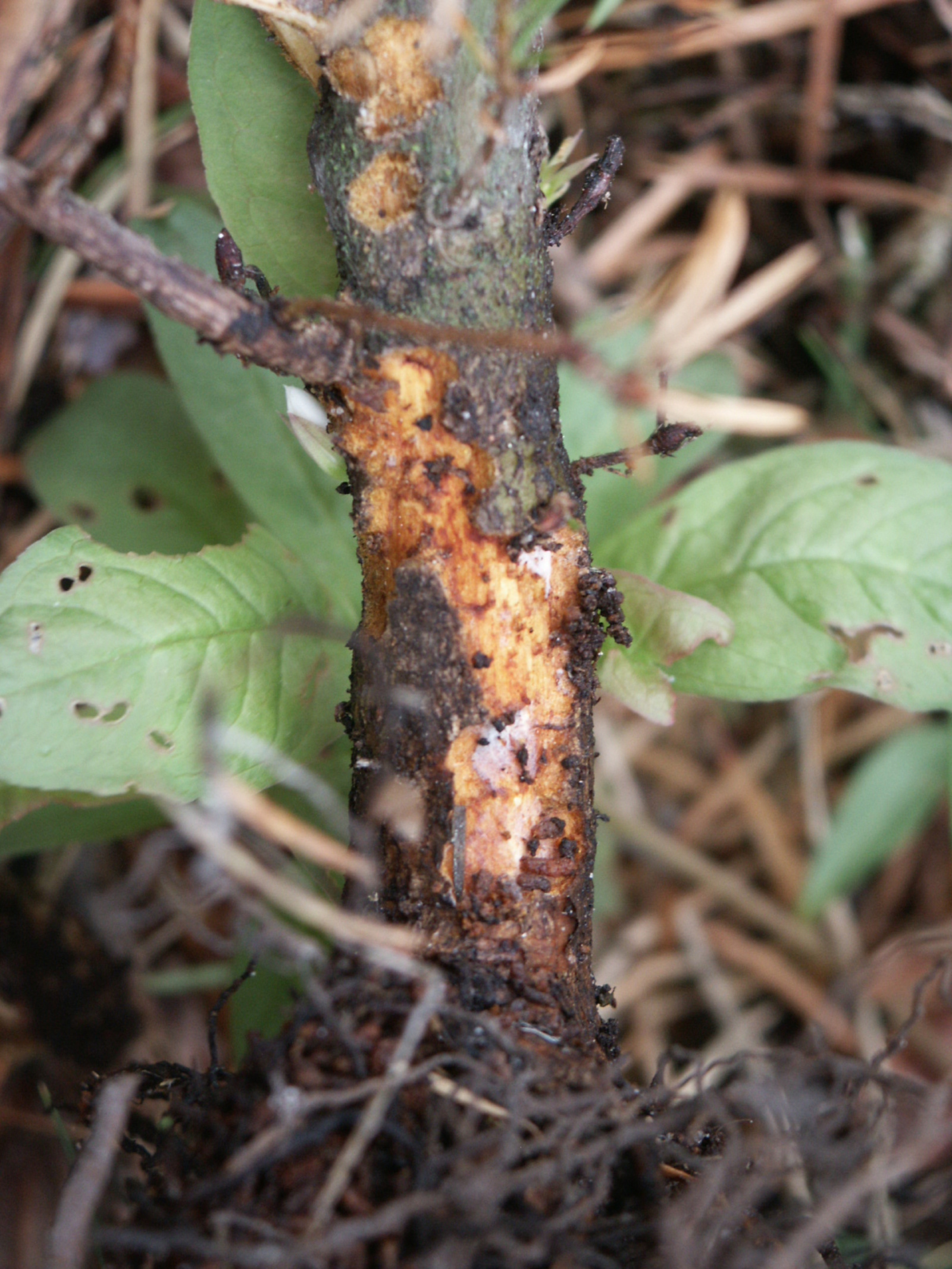
Fig. 5: NW-FVA key for Hylobius feeding assessment : Level 0 (not shown) = no feeding; Level 1 = minor traces of feeding, isolated, diameter not more than 5 mm (left); Level 2 = moderate feeding damage, contiguous, diameter all together more than 5 mm, up to half of the trunk circumference (centre); Level 3 = severe feeding damage, contiguous, extending from more than half of the trunk circumference up to girdling of the stem (right); Level 4 (not shown) = dead
Summary and recommendations
The best protection against damage caused by the large pine weevil is offered by silvicultural precautions that begin many years before potential damage occurs: forest conversion to deciduous and mixed forests, and advance planting or advance regeneration of mature coniferous stands. Emerging natural regeneration should take precedence over planting. If planting measures are necessary, they should be carried out under canopy or after a break in felling measures if possible.
If open areas cannot be avoided due to damage caused by windthrow, drought or bark beetle infestation, endangered plantations should be checked twice a year on a random basis so that biotechnical or chemical measures can be taken if necessary.
