



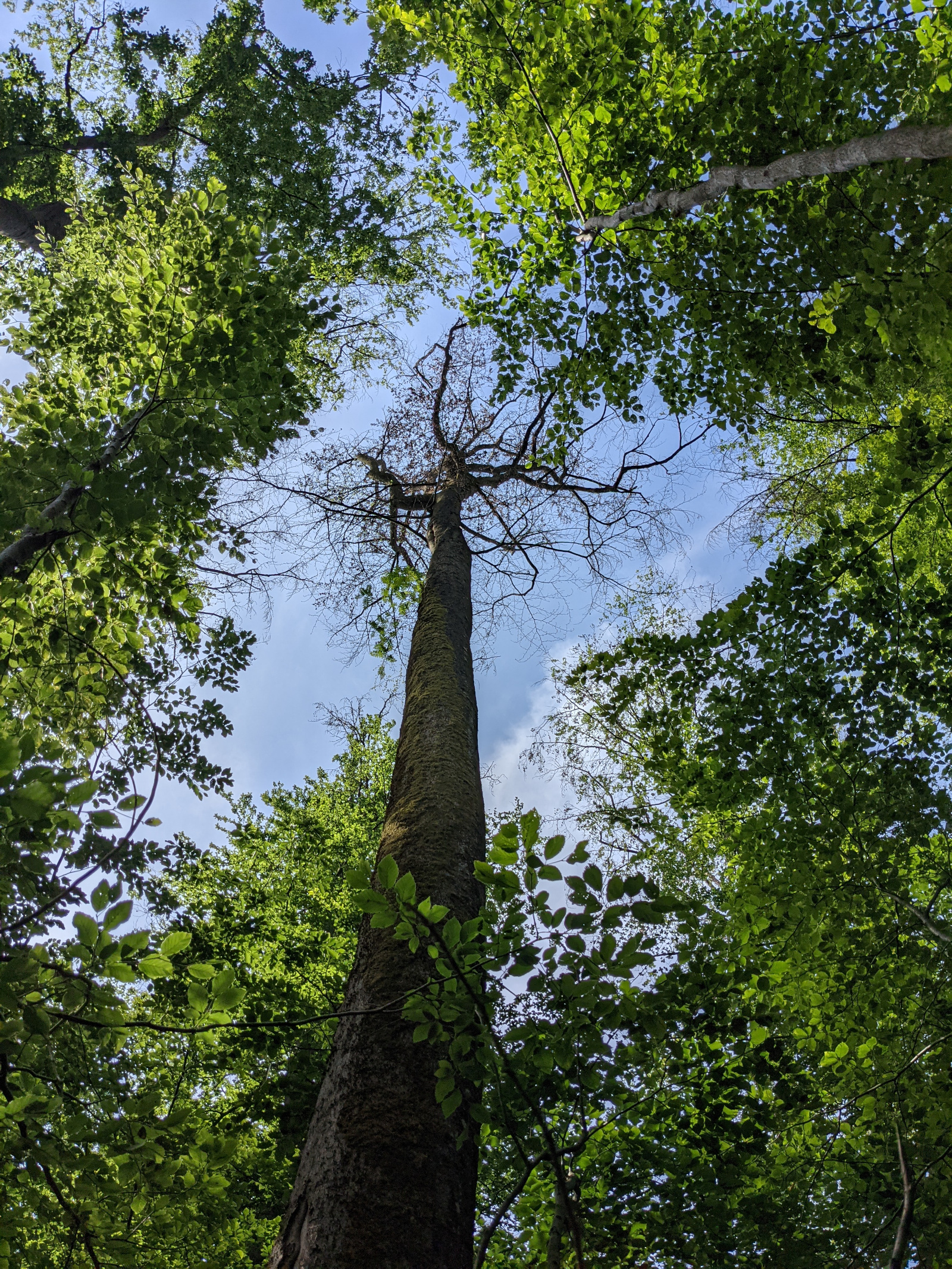
Fig. 1: Damaged beech tree. Photo: Michael Muser (LWF)
In recent years, global warming and the increase in frequency of extreme weather events have led to a significant decline in the vitality of common beech (Fagus sylvatica) in some regions. This manifests itself through increased fructification, reduced growth, loss of foliage and premature leaf shedding (Figure 1). Particularly in exposed and older stands, severe crown damage and dead trees are also recorded. In Bavaria, this is particularly noticeable in the warm-dry Lower Franconia region: 26 % of Bavaria’s standing beech stock is to be found here - and it is also where two thirds of the drought damage reported from 2015 to 2021 was recorded.
In addition to abiotic causes of damage, damage caused by insects, e.g. by the beech bark beetle (Taphrorychus bicolor) and the beech splendour beetle (Agrilus viridis) was also reported. Infestation with fungi of the Armillaria genus, and bark necroses caused by other harmful fungi were also major causes of biotic damage, however. A large number of harmful organisms occur generally on common beech, some of which cause symptoms that are difficult to distinguish. In the course of observations carried out over two growing seasons, the LWF’s “Forest Protection” department analysed the relevant fungal pathogens on four study areas in northern Bavaria.
Study areas
In the winter of 2020/21, the LWF selected four damaged common beech stands in northern Bavaria in order to describe their state of vitality and analyse the range of pathogens that occurred in them. In previous years, there had been only minor intervention on the study areas. In all of the stands there was a variety in the level of vitality, so that the progression of damage could be observed in different vitality classes.
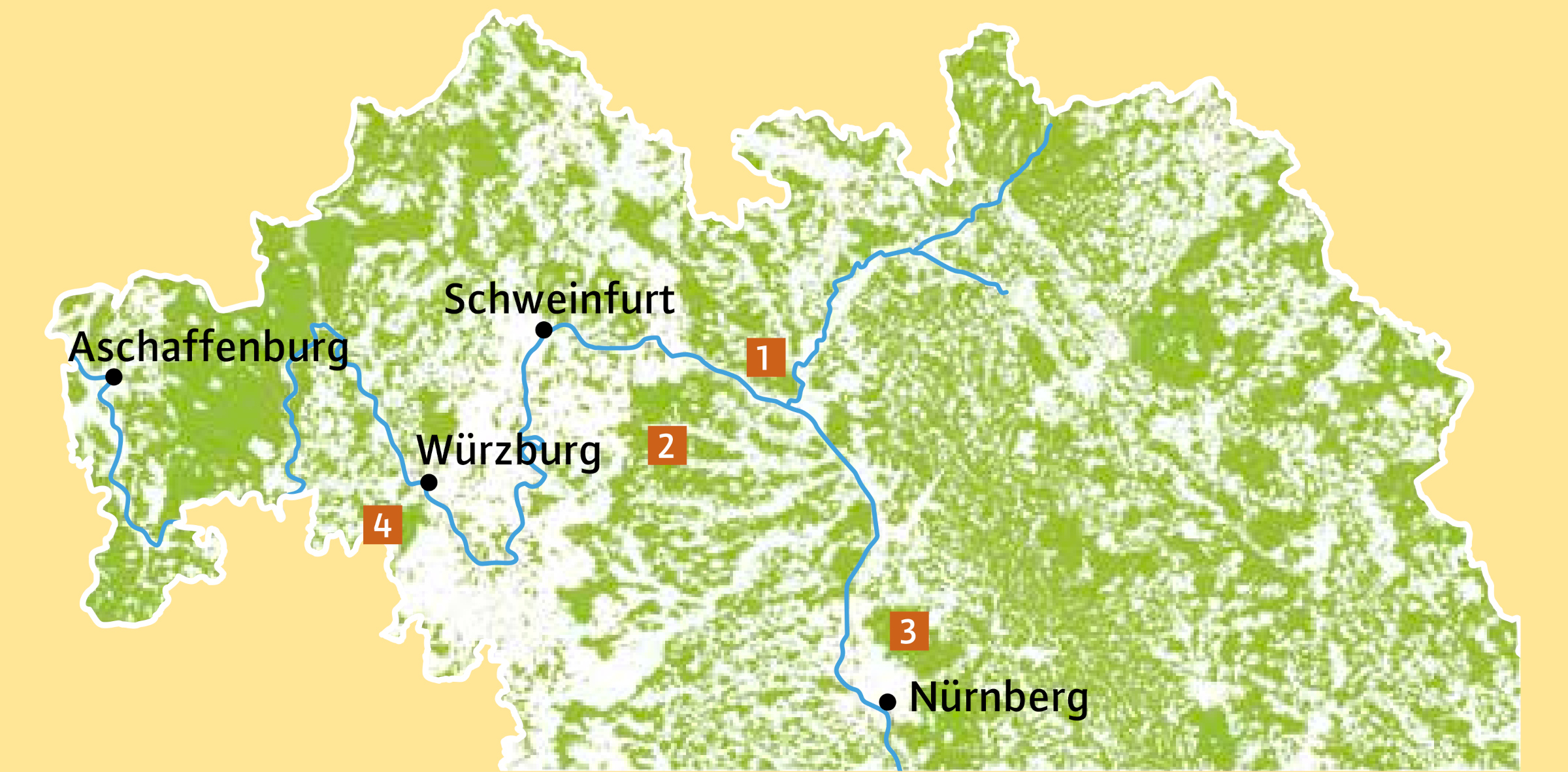
Fig. 2: Location of the study areas in northern Bavaria; green areas symbolise forested areas. Source: Geobasisdaten, Bavarian Surveying Administration 2023
The four stands (Figure 2) are located at altitudes between 335 and 415 metres above sea level; steep and marginal locations were avoided. All sites recorded lower precipitation and higher temperatures in the period from 2011 to 2020 than the 30-year average (Figure 3).
Twenty trees were selected per stand. Staff from the “Forest Protection” department took phytopathological samples from these and carried out tests on them. These trees included a cross-section of all damage levels as well as of all social classes as categorised by Kraft, i.e. from predominant trees (class 1) to suppressed trees (class 5).

Fig. 3: Climatic parameters of the observation areas. Source: DWD 2023
Trends in vitality
In June and September 2021, and again in June and August 2022, the defoliation was assessed by visual inspection in 5% steps. At these points in time, the beech trees had fully sprouted (June), or it was after the hottest period of the year, before the first leaf fall (September and August). As there was a risk of premature leaf fall in 2022, the assessment was brought forward to August.
At the four locations, the level of foliage of the trees deteriorated by an average of 7.5 % between June 2021 and August 2022. There were clear differences between the social classes: while the loss of foliage increased in the predominant and dominant trees (Kraft classes 1 and 2), the crowns of co-dominant trees expanded slightly (Figure 4).
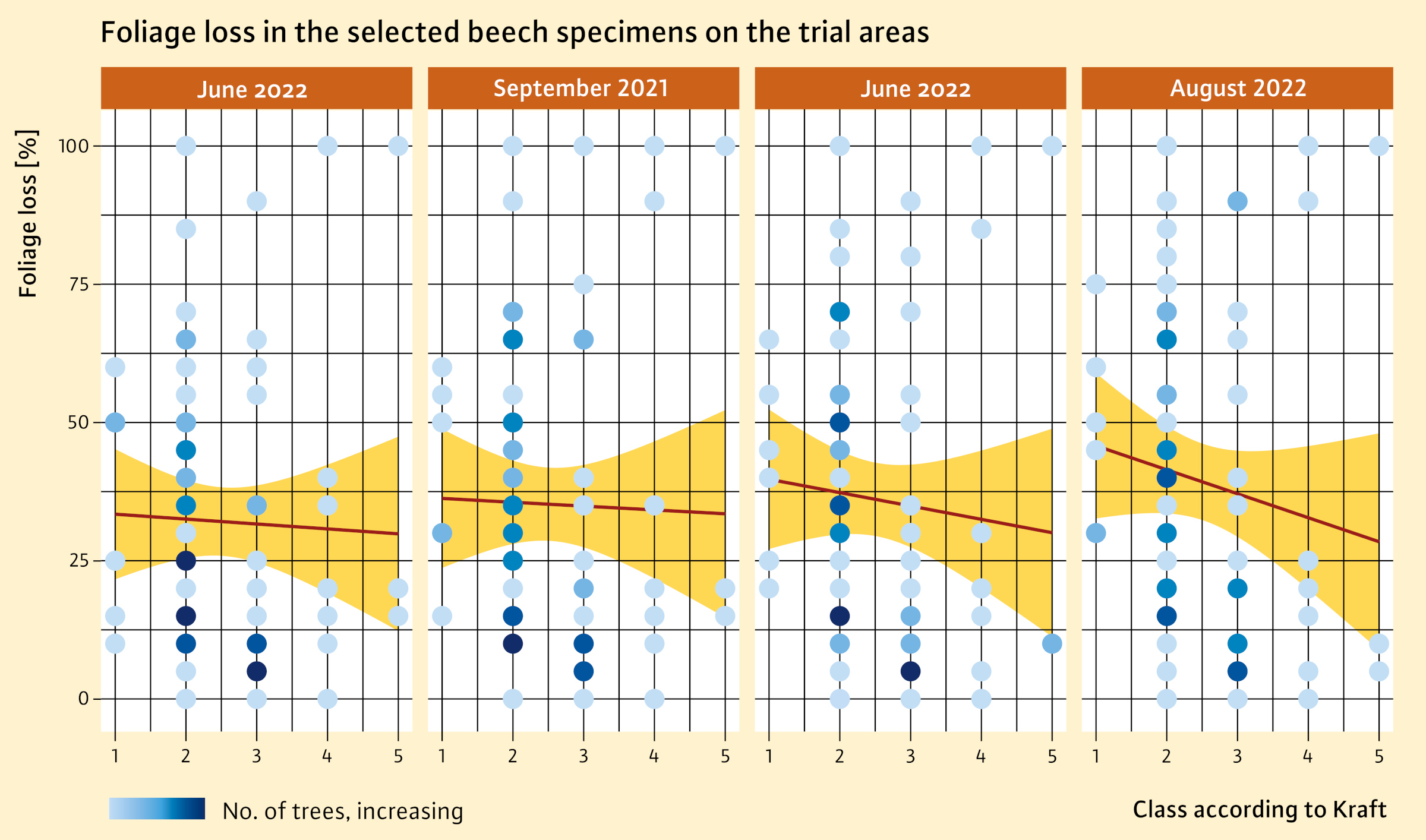
Fig. 4: Foliage loss of common beech in the study areas in the growing seasons of 2021 and 2022 according to Kraft class; the darker the blue, the more trees are assigned to the respective points (e.g. in June 2021, a relatively large number of beech trees in Kraft class 2 showed 25% foliage loss). The red line indicates whether the loss of foliage is independent of the social class (horizontal line) or whether the loss of foliage increases with social position (diagonal course from top left to bottom right).
Rarely beetles and aphids, ...
At the Ebrach forest climate station, ten of the 20 sample trees were felled for safety reasons. Only one of the ten felled trees showed signs of severe beetle infestation in the trunk: beech bark beetles had colonised large parts of it. Beech splendour beetles (Agrilus viridis) and/or beech bark beetles (Taphrorychus bicolor) were found in all crowns. In this context, 28 % of the A. viridis and 16 % of the T. bicolor cases were detected in crown areas showing signs of weakened vitality. All other finds and wood-boring insects were in branch sections that had already died.
The remaining 70 observation trees - ten at the Ebrach forest climate station and 20 each at the three other sites - were examined by the LWF for necroses, rot, or signs of insect feeding in the lower trunk area. The woolly beech scale (Cryptococcus fagisuga) was observed in low densities on five trees. These insects create entry points for the bright red canker fungus (Neonectria coccinea), which causes micronecrosis in the bark and cambium. Severe infestation was found on two trees at entry points created a while before by C. fagisuga suction damage. Animal pathogens thus played a subordinate role in the damage to the trunk area. Beech bark beetles and wood-breeding beetles almost exclusively infested existing necroses.
... but lots of fungi
Rot of all sorts of different dimensions caused by species of the Armillaria genus (Armillaria spp.) was found in the trunk bases of one third of all the observed trees (Figure 5a). Also striking was the abundance of the bright red fungus (Neonectria coccinea), whose fruiting bodies were found on a quarter of the beech trees (Figure 5b). Beech tarcrust (Biscogniauxia nummularia) was present in the thicker crown deadwood of all of the ten felled trees (Figure 5c). In the other three stands its presence was also confirmed by broken off branches that had been colonised. In the stand near Ebrach, the beech canker (Neonectria ditissima) was conspicuous in the crowns of the mature trees; in the regeneration, it caused damage in the form of longitudinal cracks. Fruiting bodies of the main and secondary fruiting forms of the brittle cinder (Kretzschmaria deusta) were found in three stands on a total of seven trees. Species of the genus Phytophthora, a widespread pathogen, were not detected on the roots and trunk base necroses of the sampled beech trees.
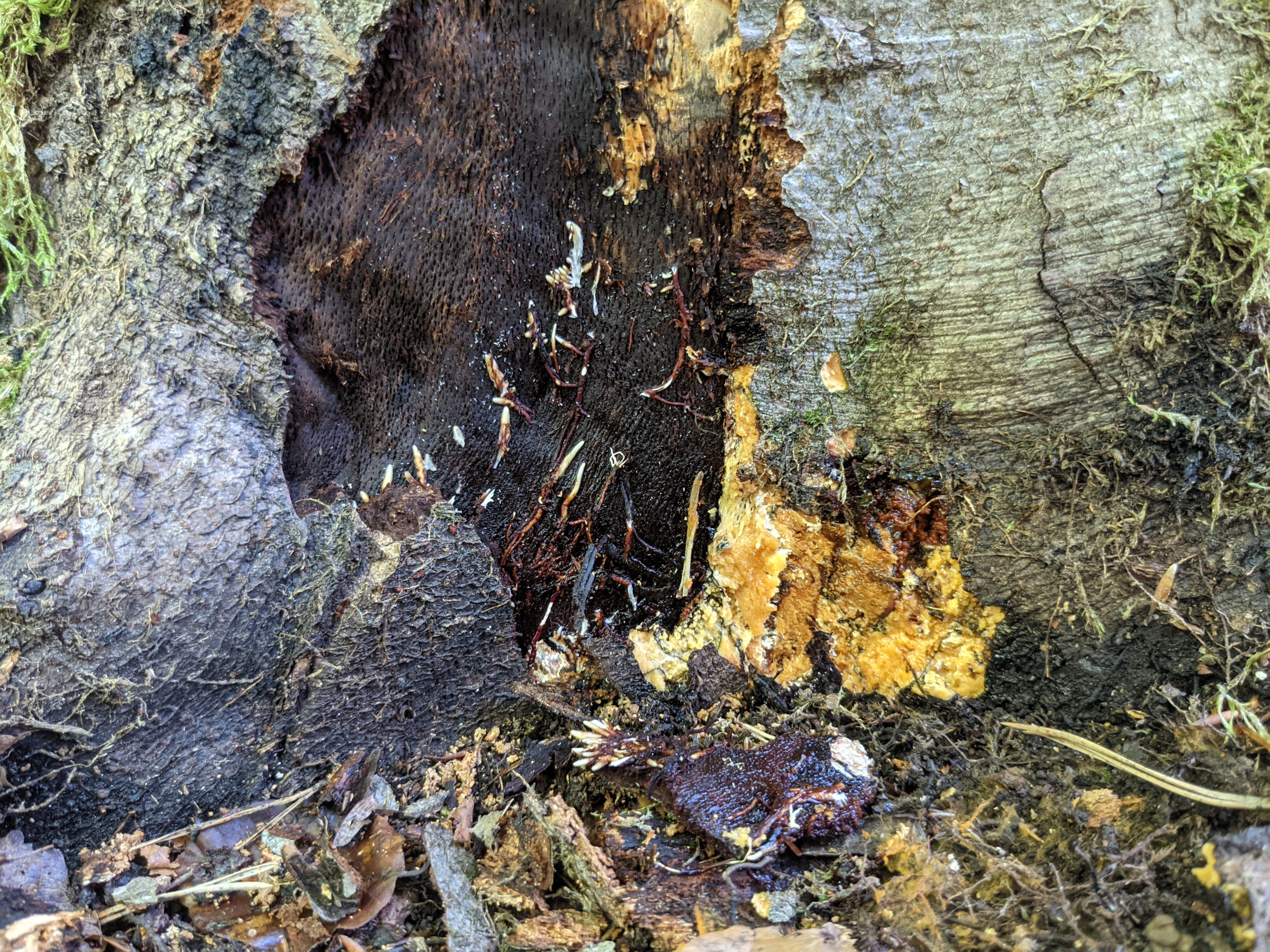
Fig. 5a: Rot and rhizomorphs of Armillaria fungi at the base of a common beech trunk. Photo: Michael Muser (LWF)
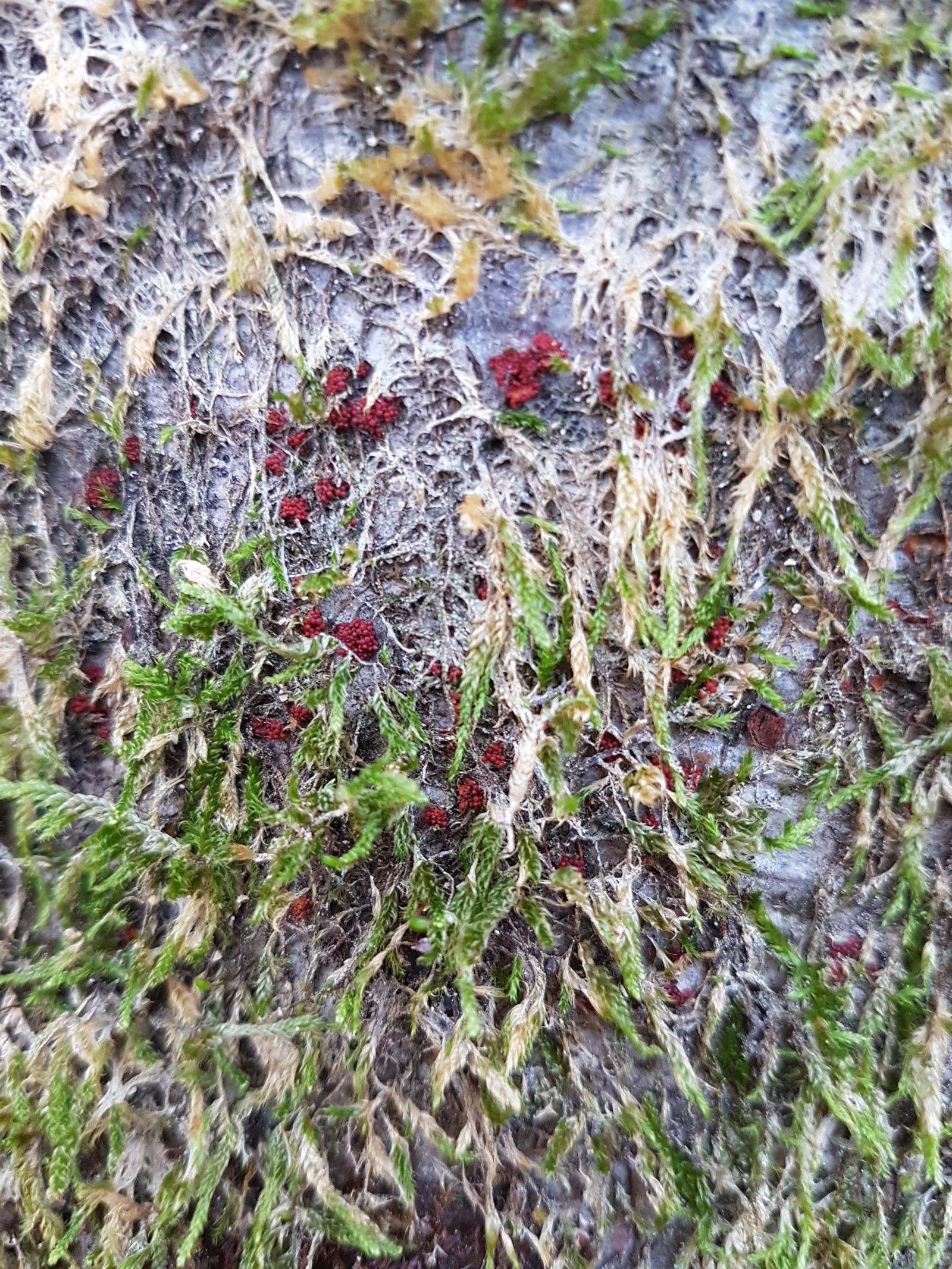
Fig. 5b: Reddish-orange fruiting bodies of Nectria coccinea. Photo: Michael Muser (LWF)
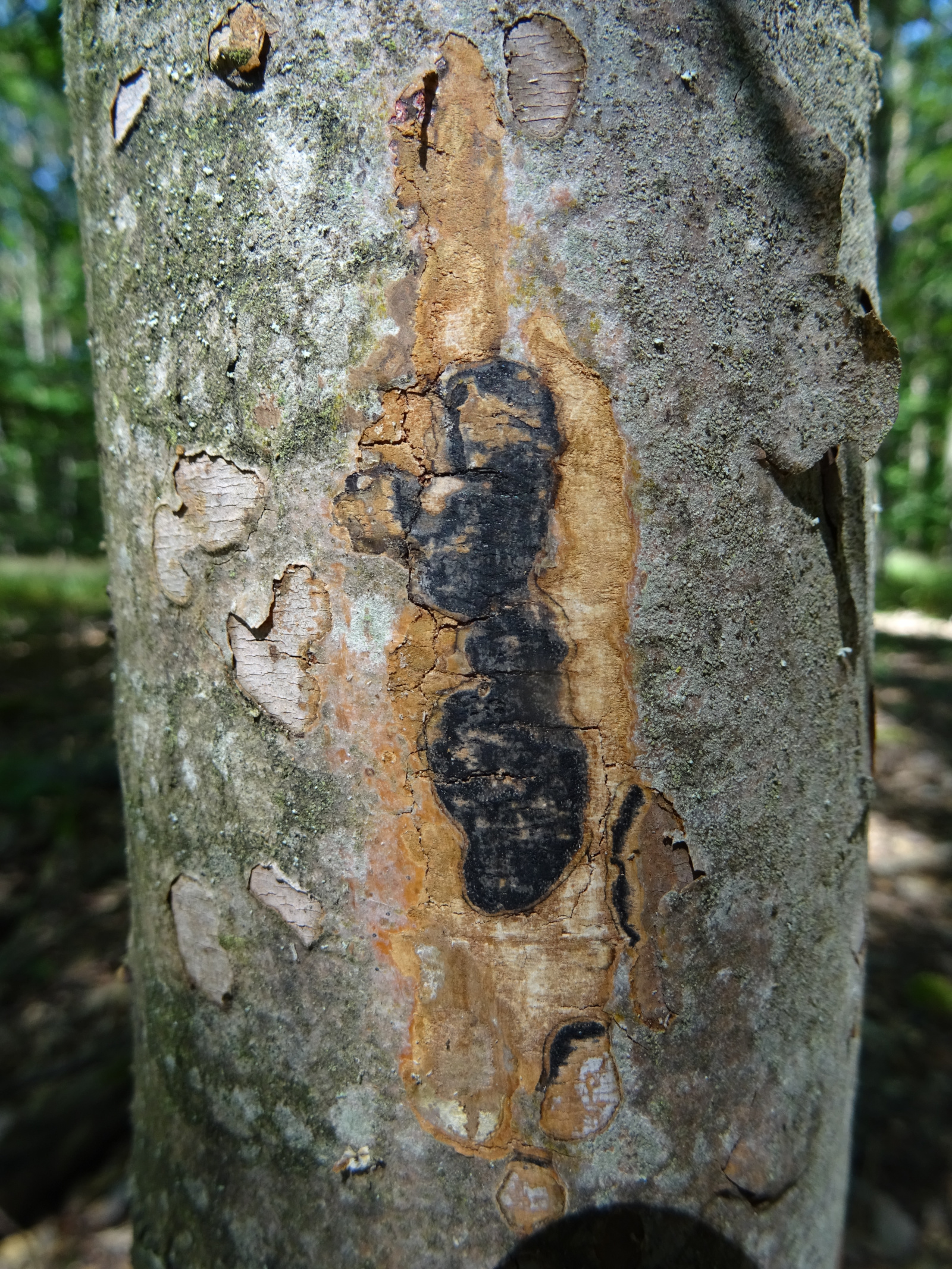
Fig. 5c: Main (dark areas) and secondary fruit forms (light areas) of the beech tarcrust. Photo: Michael Muser (LWF)
Armillaria fungi - distribution and infestation
Five tree-damaging species of the genus Armillaria have been described in Europe. As these species relevant for forestry are barely distinguishable morphologically and genetically, we limited ourselves in our study to determining the genus. Various methods were used on the 70 common beech specimens to determine the distribution of Armillaria fungi in the stands:
- Macroscopic examination of the trunk bases for rot, necroses and rhizomorphs
- Root sampling - samples taken from all sample trees; subsequent surface disinfection and placement of the samples on nutrient media
- PCR analysis with genus-specific primers according to Lochman et al. (2004) on wood samples for detection in the wood body
- Metabarcording of drill samples from the four stands
For the PCR tests and metabarcording, the bark was removed at the sample site at a height of about 1 metre. Drill samples were subsequently taken from the sapwood close to the bark with the help of a sterile drill.
Armillaria was the most frequently detected fungus in the four study stands. The number of Armillaria detections varied depending on the method: the macroscopic examination of the trunk bases revealed that 33 % of the sample trees had decay caused by Armillaria fungi. Cultivation of the root samples on a nutrient medium showed Armillaria spp. in the root zone of half of the 70 trees. PCR analysis of drill samples yielded positive results in 33 % of the beech trees. Surprisingly, this method of investigation detected Armillaria fungi particularly in the seemingly healthy sapwood, and it was found mainly in samples from common beech with lower levels of leaf loss (Figure 6).
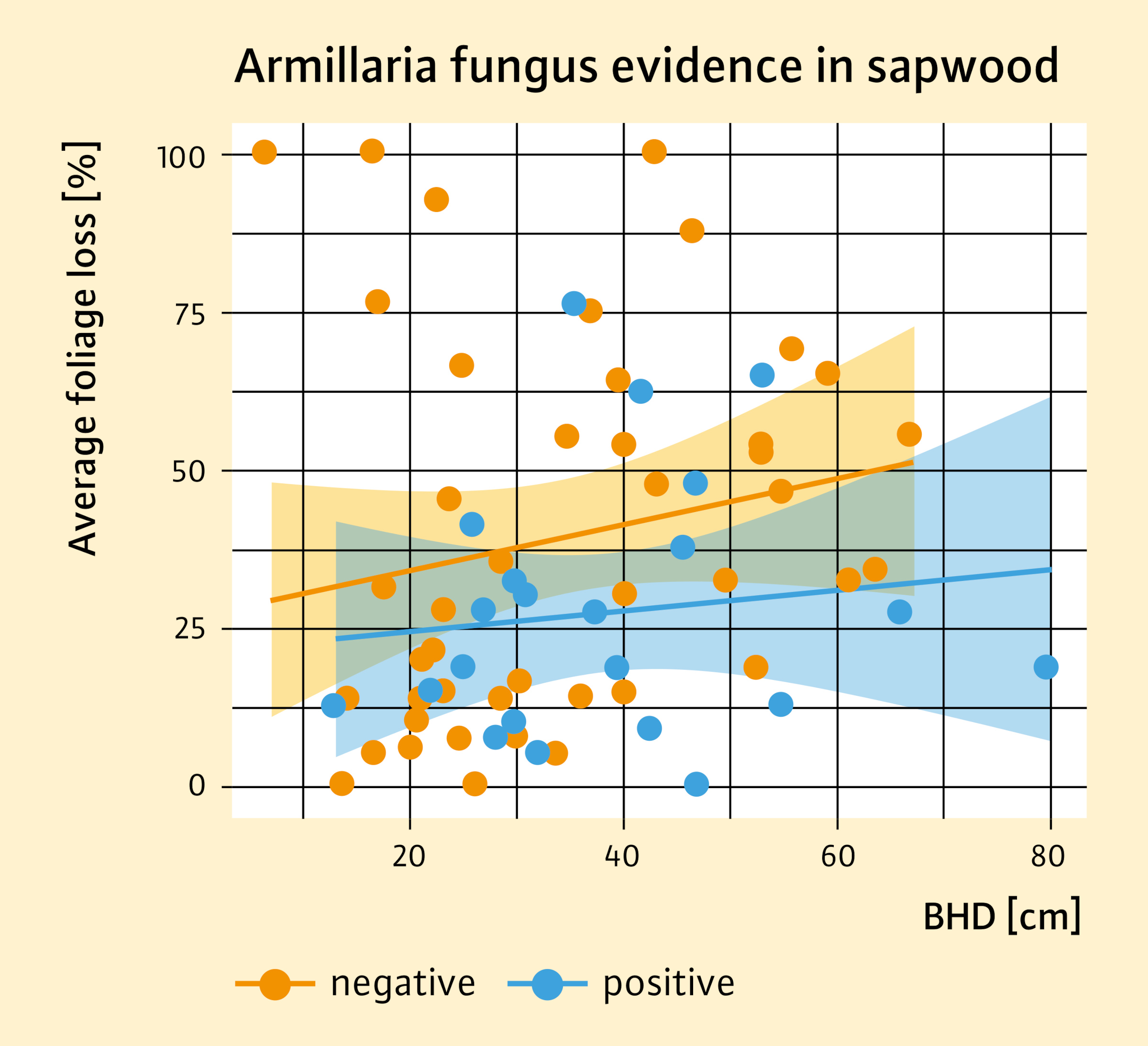
Fig. 6: Detection of Armillaria fungi in sapwood drill samples using PCR, as a function of BHD and average foliage loss.
Metabarcoding is the sequencing of DNA from environmental samples that can consist of a large number of different species (e.g. fungi). In the context of the investigations, DNA was first isolated from dried, ground wood chips, then the fungal barcode region (ITS area) of the species in the sample was amplified and sequenced. DNA sequencing using Illumina MiSeq technology often led to the detection of species of the Armillaria fungi genus. In the drill samples from small necroses, metabarcoding was able to identify DNA that could be assigned to the scarlet pustules of N. coccinea in many cases. Brittle cinder (K. deusta) was also detected, as well as Fusarium spp., Diplodia mutila and several other fungi.
Discussion
The observations on the progression of foliage loss were primarily to document the intensity and progression of the damage. The low number of specimens does not allow statistically reliable statements to be made - studies by Thurm et al. (2022) in Mecklenburg-Western Pomerania and by Mathes et al. (TUM, Chair of Forest and Agroforestry Systems; unpublished) are however in line with the results of our studies on the states of vitality. Thurm et al. found that especially old-growth stands and stands of lower density are more likely to be subject to foliage loss. In addition, Mathes et al. observed that previously crowded trees benefit when the crown dieback of previously dominant trees reduces competition for light and water.
The studies presented here showed that the following harmful fungi are most obviously involved in the damage that is currently occurring:
- Species of the Armillaria fungi genus (Armillaria spp.)
- The scarlet pustules of Neonectria coccinea
Beech tarcrust (Biscogniauxia nummularia)
The range of fungi identified may sound alarming to forest practitioners - but from a forest conservation perspective, this is a good result: no new pathogen was discovered that had contributed significantly to the damage. Initially, there were fears that the damage to beech trees could be linked to a new pathogen.
Damage caused by Armillaria spp. in the form of trunk base necroses was confirmed by rhizomorphs and by PCR. In this study, however, the high detection rates in the asymptomatic tissue of apparently healthy stems were particularly striking. It is possible that Armillaria is able to persist undetected as an endophyte in the plant tissue and only cause recognisable damage when conditions are favourable for it. Its frequent occurrence in the PCR evidence from drill samples and in metabarcoding indicates a latent infestation of Armillaria fungi in the wood bodies of the common beech specimens examined. Whether this represents the beginning of a fresh Armillaria infection or could be due to permanent endophytic colonisation cannot be deduced from the investigations.
The branches examined as examples, especially in Würzburg and Ebrach, were often marked by an intense, rapidly progressing white rot caused by beech tarcrust, often associated with N. coccinea and jewel beetle infestation (Agrilus viridis). In addition to the direct damage caused, the breaking off of (green) branches creates entry points for other pathogens. It also reduces the crown volume and allows light to penetrate into previously shaded areas.
In the vicinity of the study sites, it was found that beech tarcrust can spread down the trunk from the crowns in warm-dry regions of northern Bavaria. The evidence from metabarcoding confirms that the fungus is capable of surviving endophytically in the tissue. After stress events, the disease can then progress rapidly - like Diplodia shoot dieback or sooty bark disease of maple. B. nummularia was not strongly represented in the metabarcoding findings. This may be due to the focus of the sampling on necroses close to the ground. Outbreaks of symptoms were rarely seen here. By contrast, infestation with beech tarcrust appears to have a greater impact in the crown area, leading to the breaking off of (green) branches and thus to crown losses.
Outlook
Unchecked climate change will lead to a further increase in extreme weather events, which is associated with a weakening of mature beech stands. In the interplay between abiotic and biotic stress factors, the stands have to defend themselves against pests on the one hand, and contend with physiological processes in response to drought stress on the other. In order to track the progression of damage to roots caused by Armillaria species and other organisms and to be better able to estimate the devaluation of the trunk wood and the progression of crown decay, studies on even larger numbers of specimens will be necessary in the future. This will also require the increased use of modern molecular biological methods for better spatial and temporal resolution. This would enable the further development and refinement of models that attempt to identify tipping points under changing environmental conditions.
Summary
The extreme years since 2018 have led to increased signs of dieback and premature leaf shedding in common beech in the warm-dry north-west of Bavaria. The LWF analysed four beech stands with regard to their vitality, and found that the foliage had deteriorated by 7.5 % between June 2021 and August 2022. In order to identify other possible drivers of the reduction in vitality in addition to the abiotic influencing factors, fungal pathogens were determined on roots, trunk bases and in the sapwood. Trunk base rot was detected in roots, and species of the Armillaria genus (Armillaria spp.) were frequently detected in the asymptomatic sapwood. The bright red perithecia of the canker fungus (Neonectria coccinea) and the beech tarcrust (Biscogniauxia nummularia) were also often present.


