



Amphibians
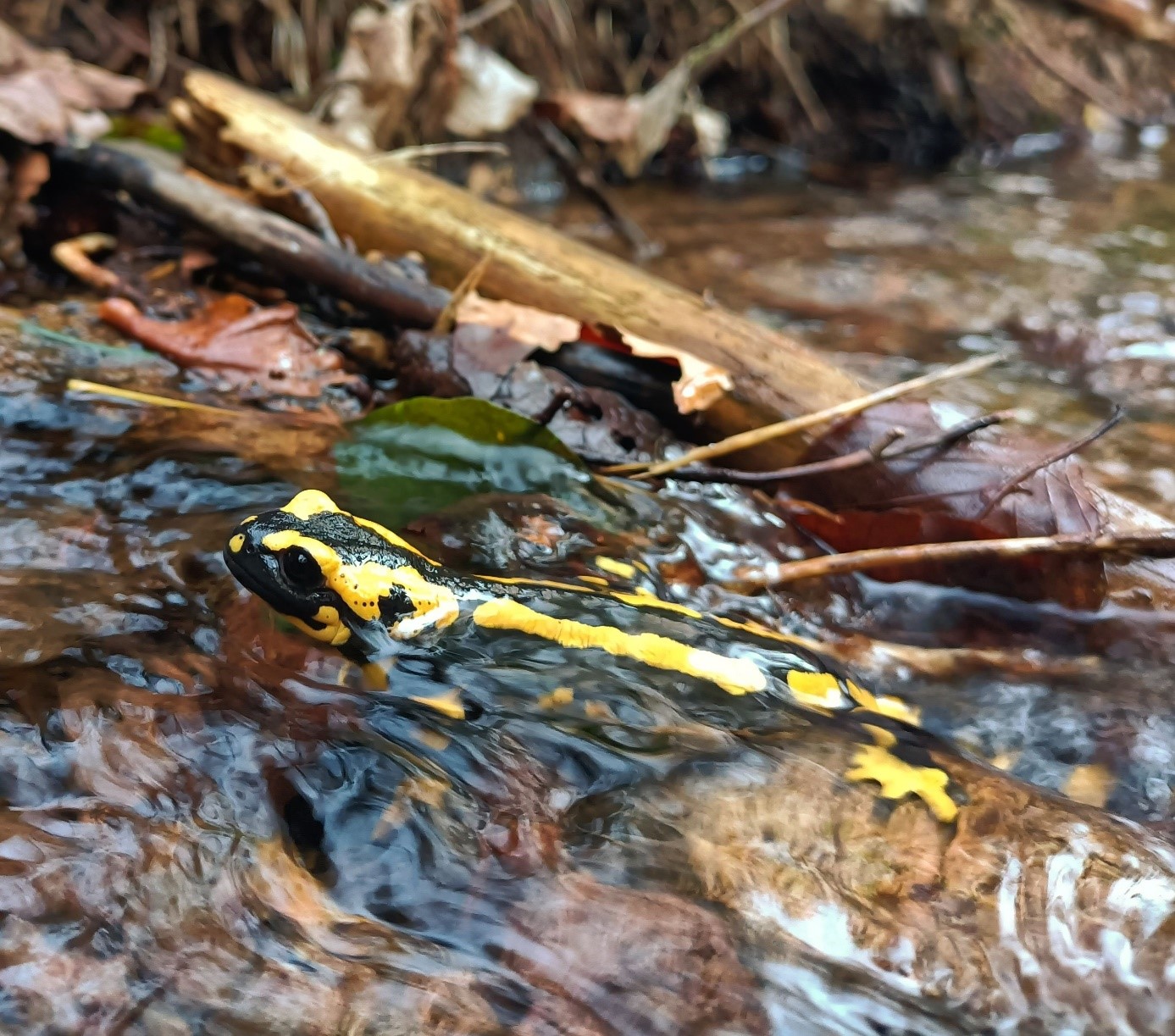
Fig. 1: Female fire salamander depositing larvae in the spring stream. Photo: Berit Weibel (FVA BW)
The rare fire salamander (Salamandra salamandra) also spends part of its life in bodies of water. Once a year between April and July, the fertilised females deposit their larvae in mostly cool spring streams. As larvae, fire salamander live in clean, cool waters. However, they spend most of their lives on land, in adjacent, structurally rich and moist mixed forests. In individual cases, fire salamanders may benefit from obstructions across the upper reaches of streams. Sections that are inaccessible to trout and bullhead sometimes show exceptionally high densities of fire salamander larvae.
Fish
Typical fish species of forest streams are species found in upper watercourses. In a healthy forest stream, you will find brook lamprey (Lampetra planeri), European bullhead (Cottus gobio) and river trout (Salmo trutta fario). All three species require sub-habitats that are mosaic-like and spatially close together. Deadwood, fine and coarse substrate, sufficient shelter and different flow velocities provide the necessary structural diversity in the habitats. A detailed description of the habitat requirements of the individual species can be found in the Landesstudie Gewässerökologie des Landes Baden-Württembergs [A study of the state of Baden-Württemberg on water ecology].
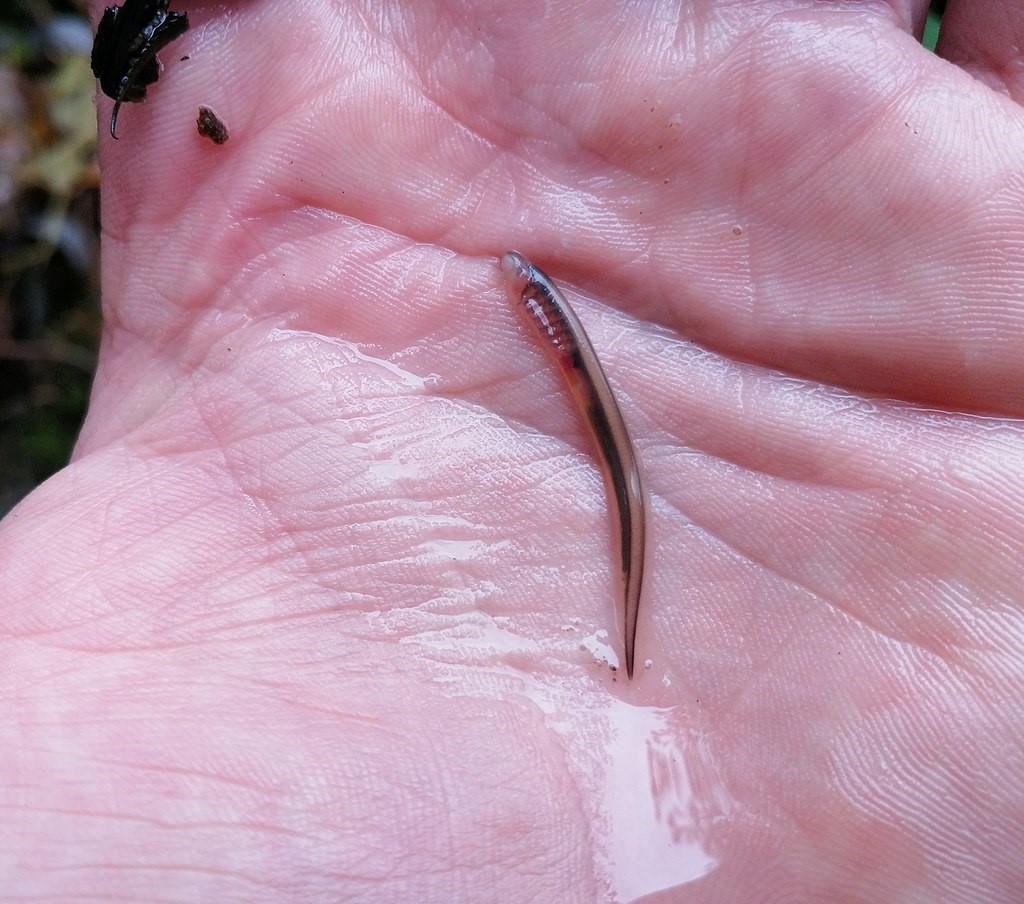
Fig. 2: The larvae of the brook lamprey (“Ammocoetes”) spend their entire lives in the sediment of streams. Photo: Lorenz Seebauer, Ammocoetes of the brook lamprey, detail (CC BY-SA 4.0)
Brook lamprey (Lampetra planeri) spend most of their lives as larvae, so-called “ammocoetes”, buried in the sediment, where they filter food particles from the water. In late summer to autumn, the ammocoetes that have metamorphosed into adults leave the sediment. They then swim upstream and no longer feed. In spring, the adults can finally be observed laying their eggs in so-called spawning pits in the fine sand.
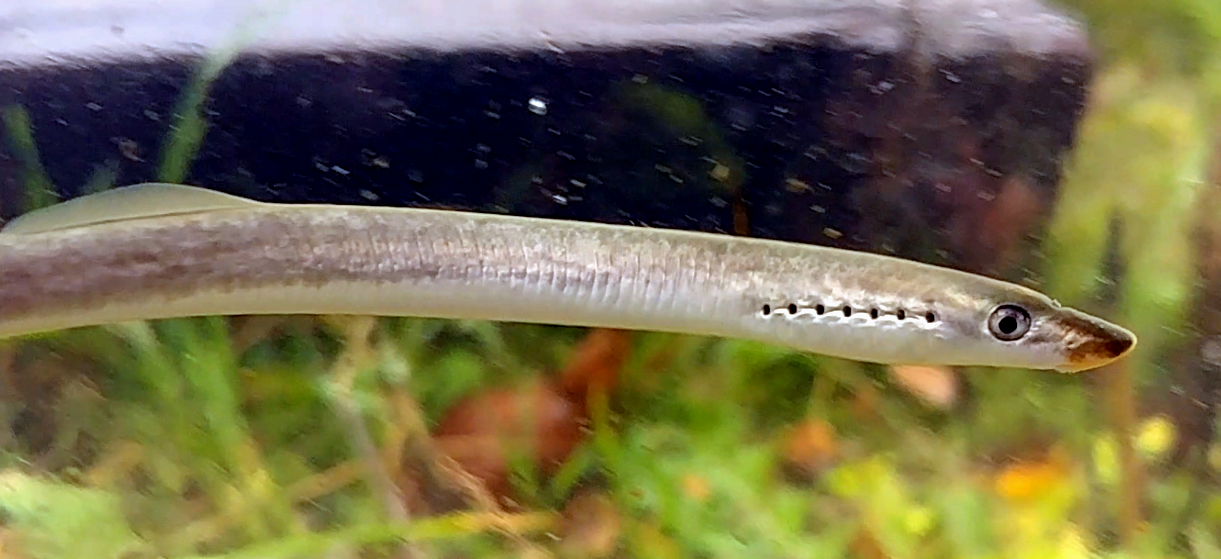
Fig. 3: Brook lamprey (Lampetra planeri). Adults reach a length of up to 20 cm. Photo: Jelle Wissink, Brook lamprey (Lampetra planeri) (CC BY-SA 4.0)
Bullheads (Cottus gobio) grow to around 15 cm long and live in cold, clear and fast-flowing streams. They do not have a swim bladder and are therefore poor swimmers. They mainly move by “hopping”, using their strong pectoral fins. Sills of 10 cm or more are insurmountable obstacles for them.
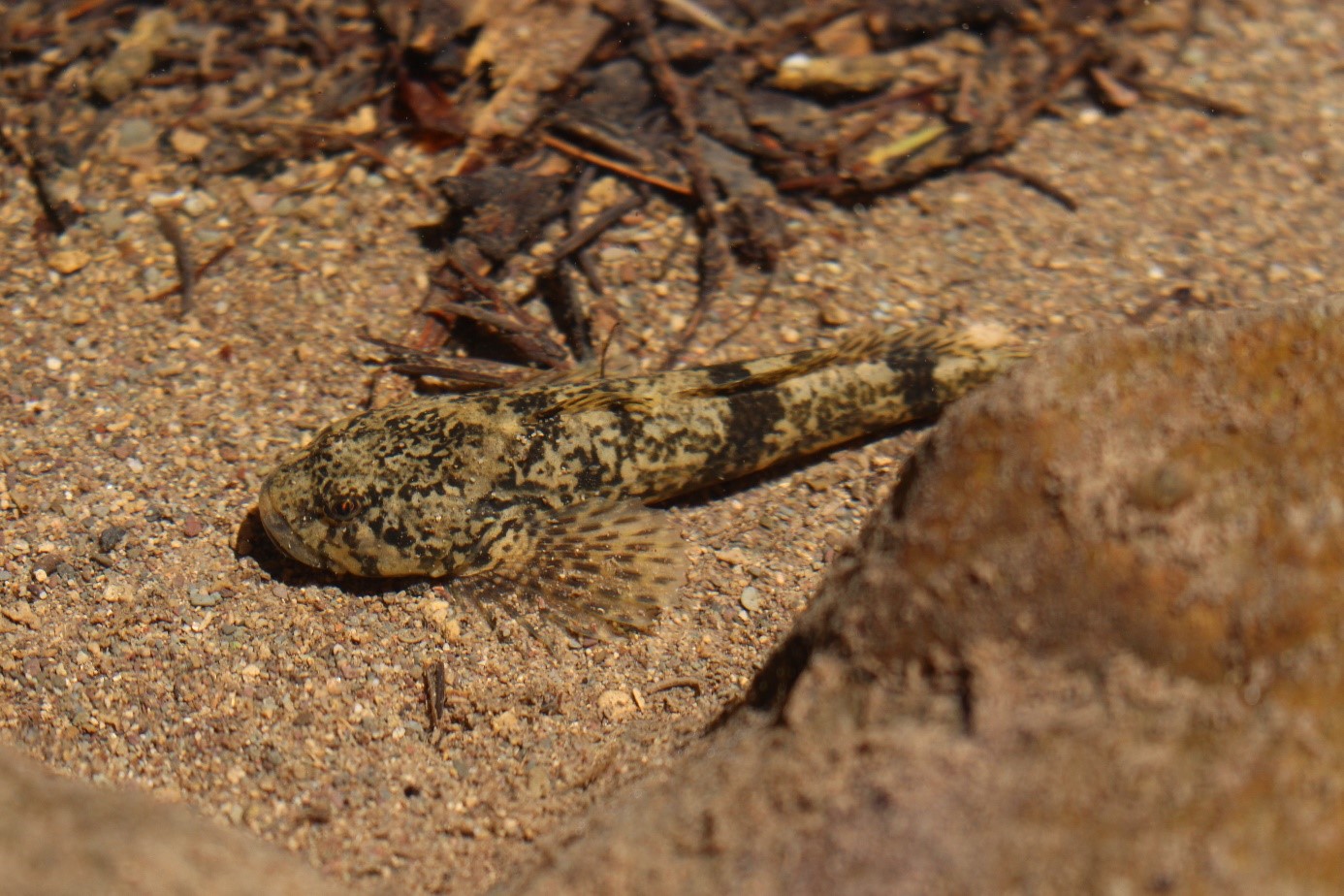
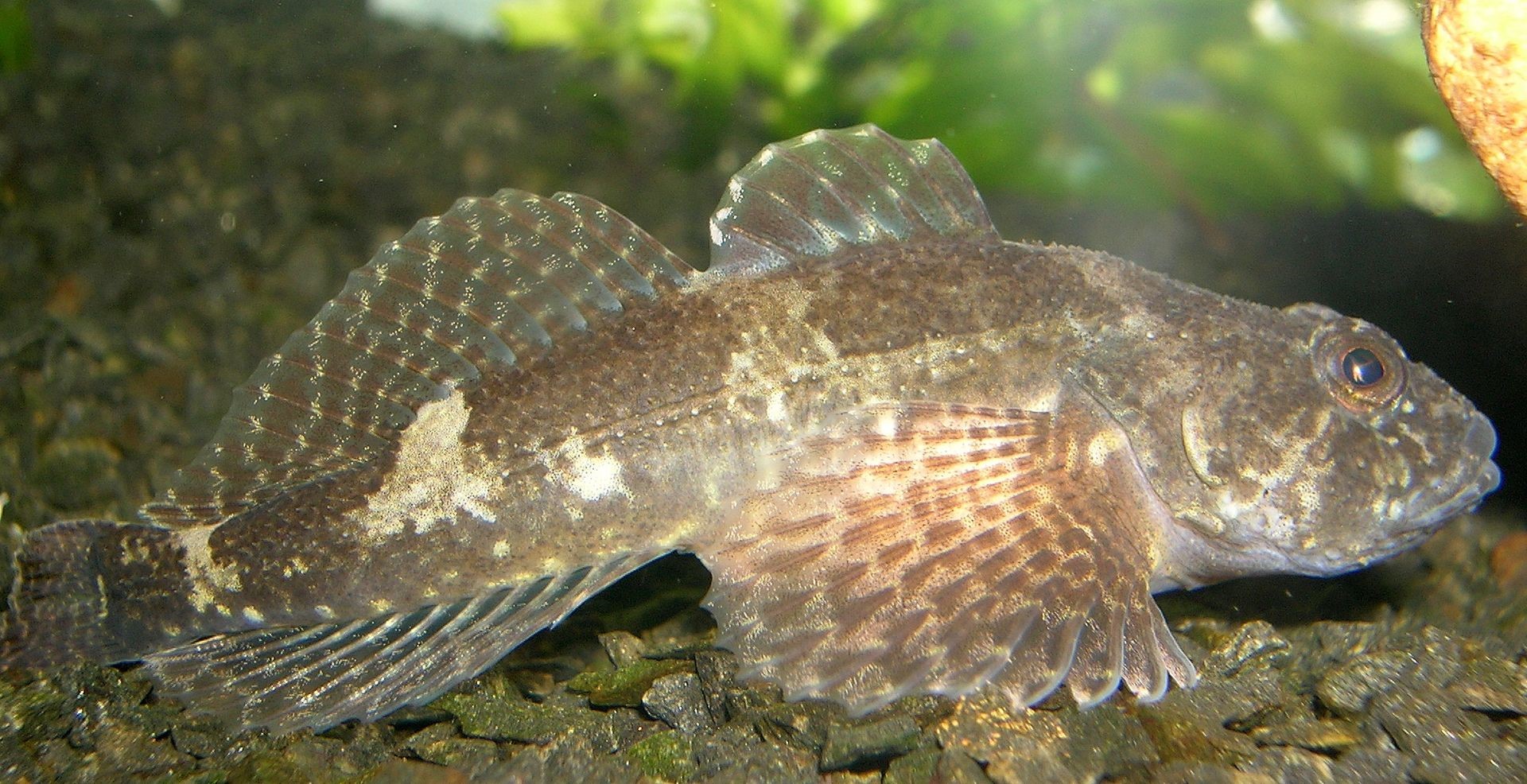
Figs. 4 & 5: The bullhead (Cottus gobio) is well camouflaged at the bottom of the stream thanks to its colouring. Sills are insurmountable obstacles for them. Photos: Lisa Gollent (4), Piet Spaans (5), CottusGobioSpreadingFins (CC BY-SA 2.5)
The brown trout (Salmo trutta) is mainly found in the upper reaches of flowing waters. It grows up to 35 cm long and has various subspecies. As a keystone species, it gives its name to the so-called trout section of running waters. The brown trout is dependent on a closely spaced mosaic of habitats with different structures. For example, it needs the gravel beds of streams for spawning, shallow bank areas with little flow for its juvenile development, and cover structures in the adult stage.
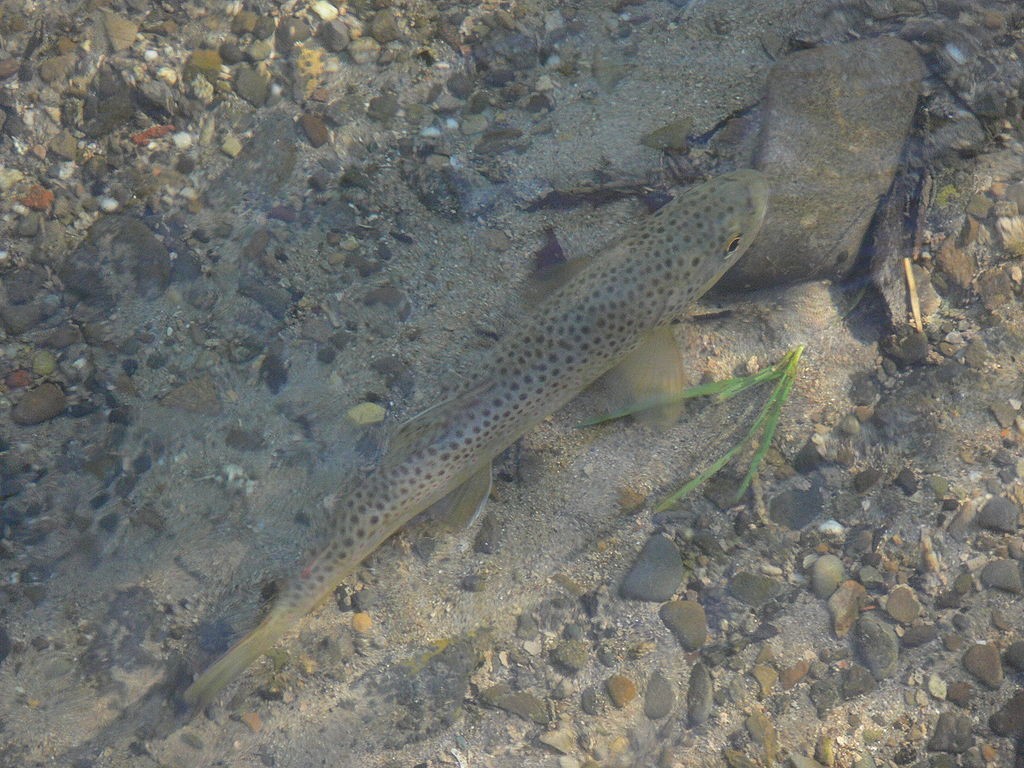
Fig. 6: Brown trout. Photo: Stefan Weigel, Brown trout Stadtbach (CC BY 3.0)
River mussels
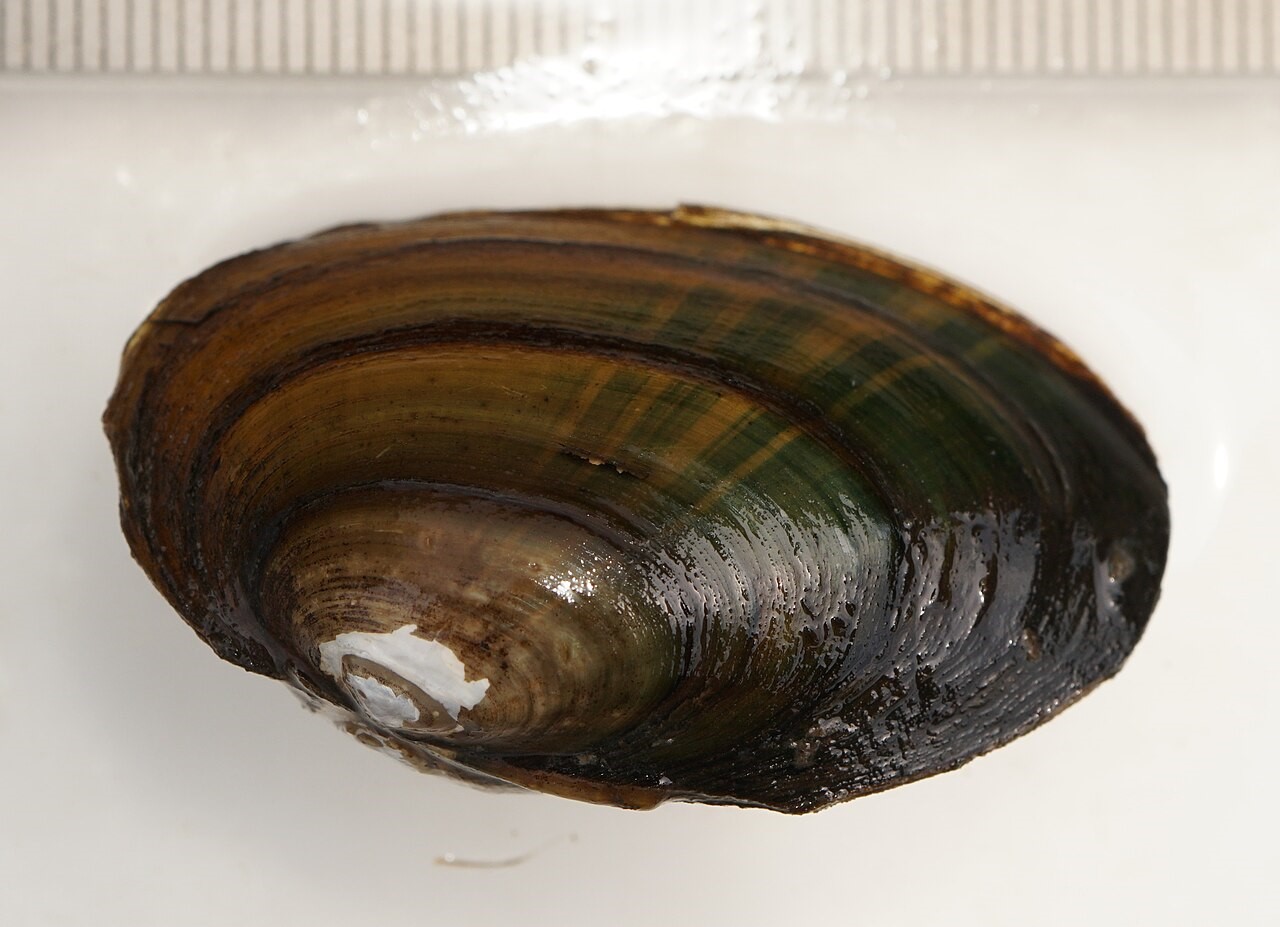
Fig. 7: Thick-shelled river mussel (Unio crassus). Photo: Lorenz Seebauer, Unio crassus alive (CC BY-SA 4.0)
The endangered and strictly protected thick-shelled river mussel (Unio crassus) mainly colonises clean, oxygen-rich watercourses up to the upper reaches, with a moderate to strong current. The mussels are dependent on a healthy fish population in their habitat. The larval stages of the mussels live for several weeks as parasites on the gills of their host fish (e.g. minnows, bullheads, chubs). The mussels are very sensitive to disturbances in their habitat and sediment inputs.
Aquatic macroinvertebrates
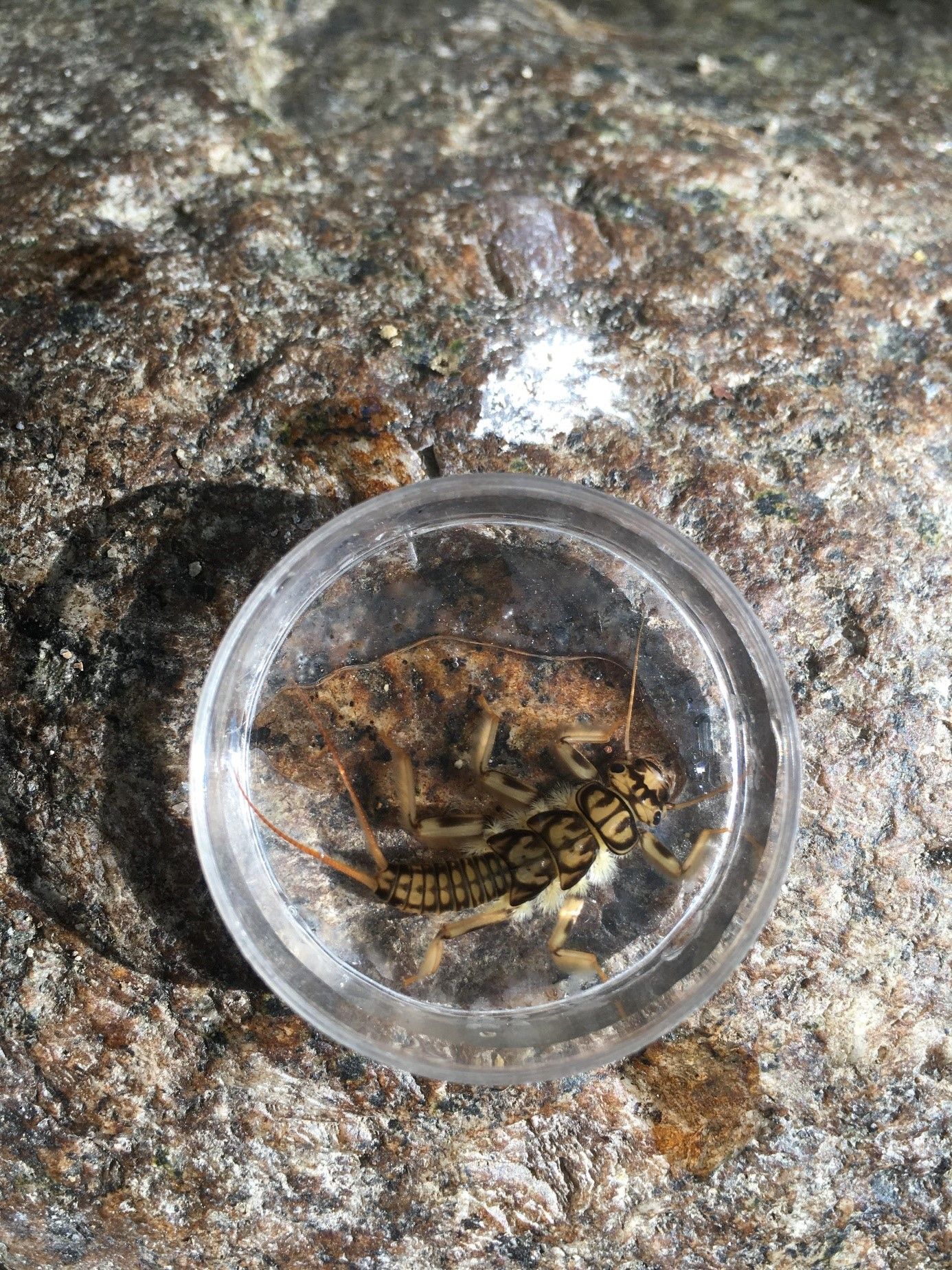
Fig. 8: Stonefly larvae (Perla marginata) are an indicator of good water quality. They can be recognised by their two string-of-pearl-like tail appendages and gill tufts at the base of their legs. Photo: MallaurieBrach, Perla marginata, la Brèze (Cévennes) (CC BY-SA 4.0)
Most organisms in the stream can only be seen when you look under the stones in the stream bed. Numerous small invertebrates, so-called macroinvertebrates, live in the gap system of pore spaces between substrate particles on the stream bed through which the water flows, the so-called interstitial. They include many water-bound insects (e.g. dragonflies, stoneflies, mayflies, caddisflies, among others). They spend their larval stage here in the protected gap system. The larval stage usually lasts much longer than the adult stage. Mayflies, for example, spend several months to years as larvae. As adults they usually die after 1-4 days. Many of these insect larvae are important indicator organisms for good water quality (e.g. stonefly larvae, Figure 8). In addition to insect larvae, the macroinvertebrates of forest streams include the freshwater amphipods Gammarus fossarum, annelids, flatworms and diving beetles.
Freshwater crayfish
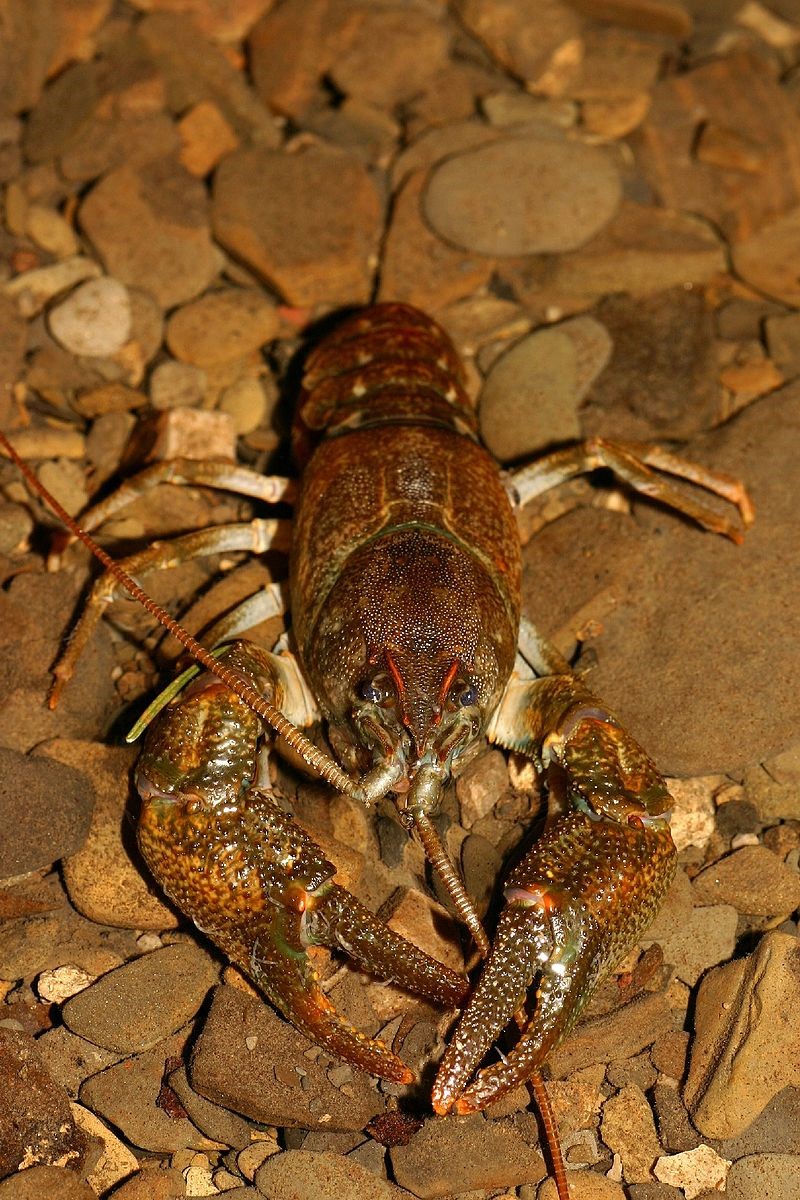
Fig. 9: Stone crayfish. Photo: Christoph Leeb, Stone crayfish (CC BY-SA 3.0 DE)
Three native crayfish species are found in Baden-Württemberg: the noble crayfish (Astacus astacus), also known as European crayfish; the stone crayfish (Austropotamobius torrentium); and the white-clawed crayfish (Austropotamobius pallipes), also known as the Atlantic stream crayfish. All three are on the Red List as critically endangered (noble crayfish and stone crayfish) or threatened with extinction (white-clawed crayfish) (as of 2014). The main threat is the spread of invasive North American crayfish species through direct competition and transmission of the so-called crayfish plague. Crayfish plague is caused by a pseudo-fungus (Aphanomyces astaci) and leads to the death of European crayfish species within a short period of time.
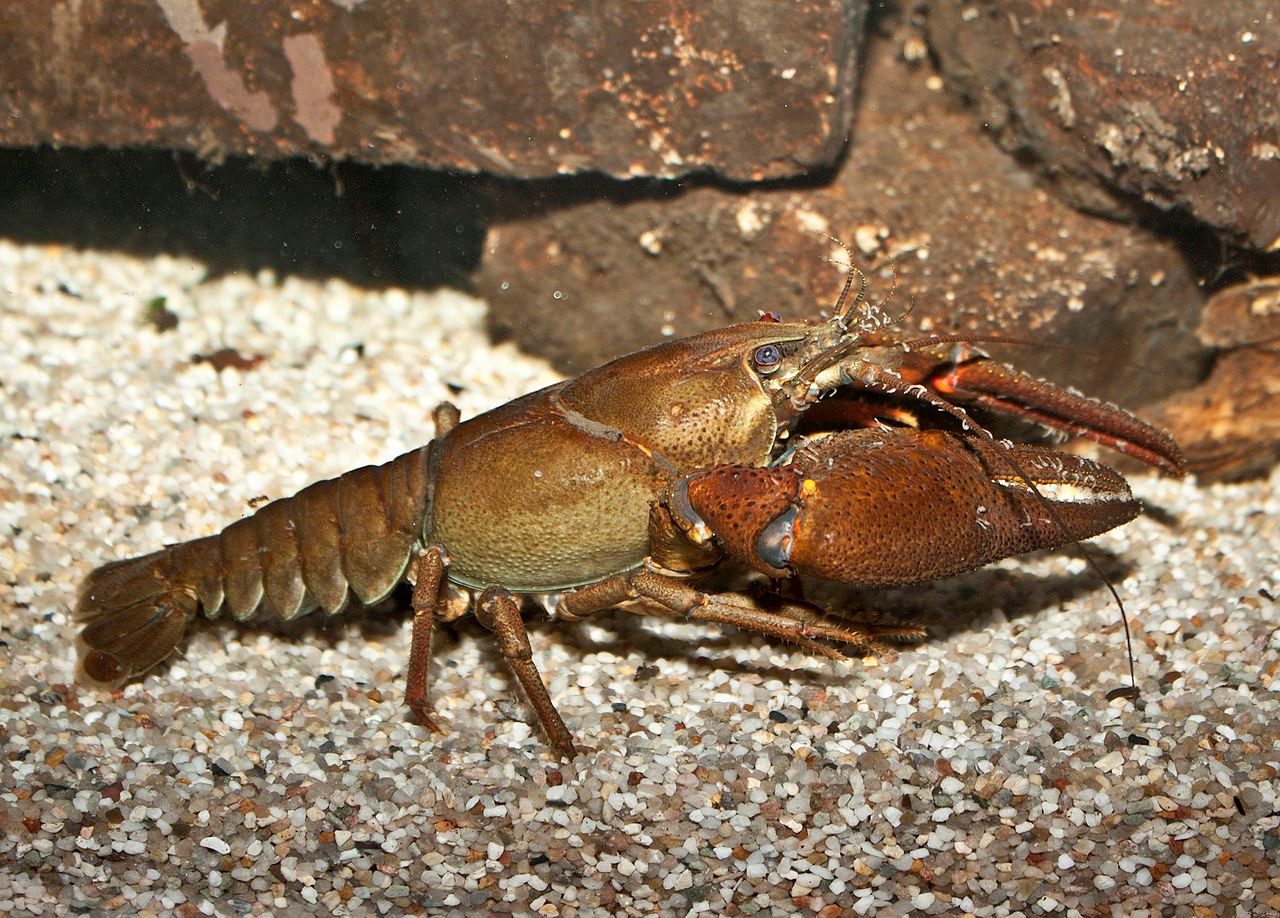
Fig. 10: Noble crayfish. Photo: Dragon187, Astacus astacus male (CC BY-SA 3.0 DE)
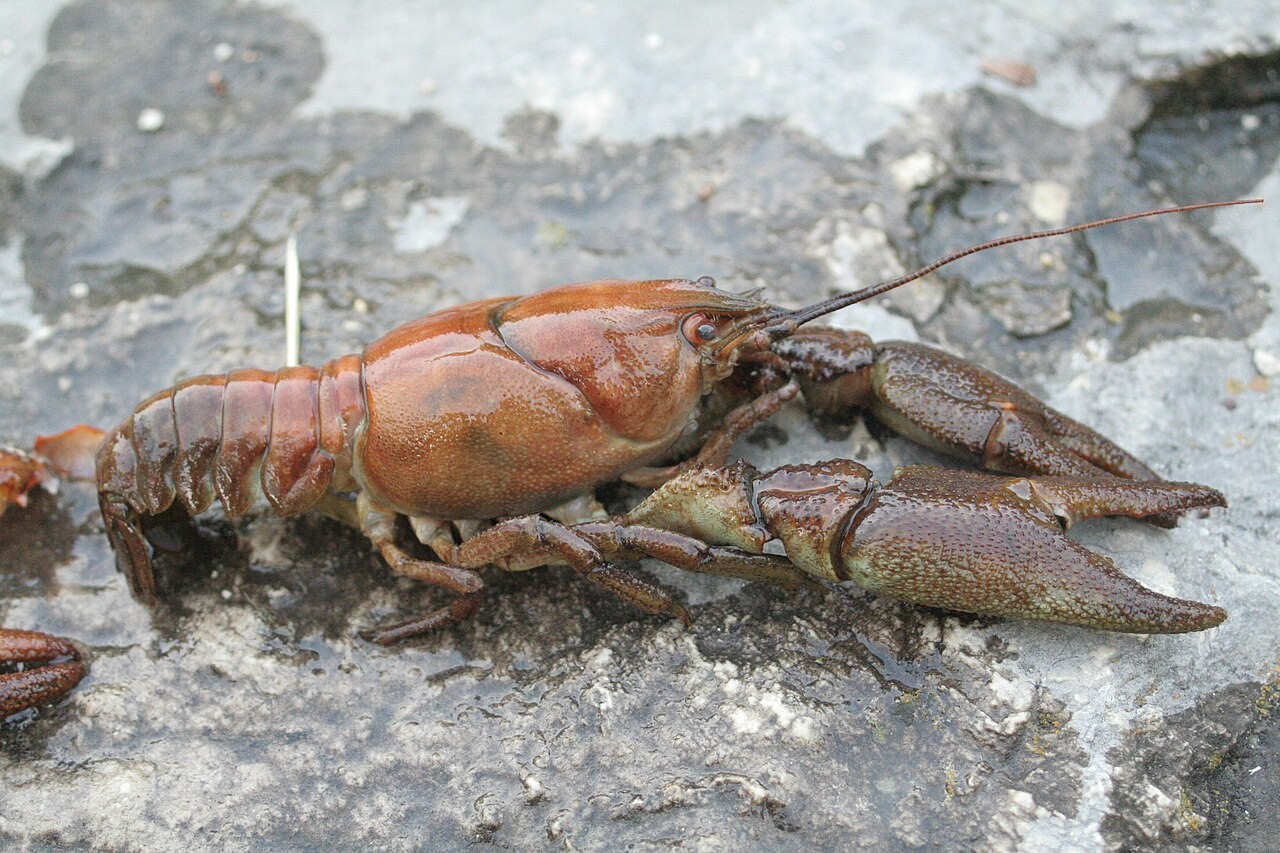
Fig. 11: White-clawed crayfish, photo: David Gerke, Austropotamobius pallipes (CC BY-SA 3.0)
Invasive freshwater crayfish
The invasive crayfish species are largely unaffected by the crayfish plague pathogen and act as carriers of the disease. There are now six alien invasive freshwater crayfish species that are displacing native species: the Galician crayfish (Pontastacus leptodactylus), the signal crayfish (Pacifastacus leniusculus), the spinycheek crayfish (Faxonius limosus), the calico crayfish (Faxonius immunis), the American red swamp crayfish (Procambarus clarkii) and the marbled crayfish (Procambarus virginalis).
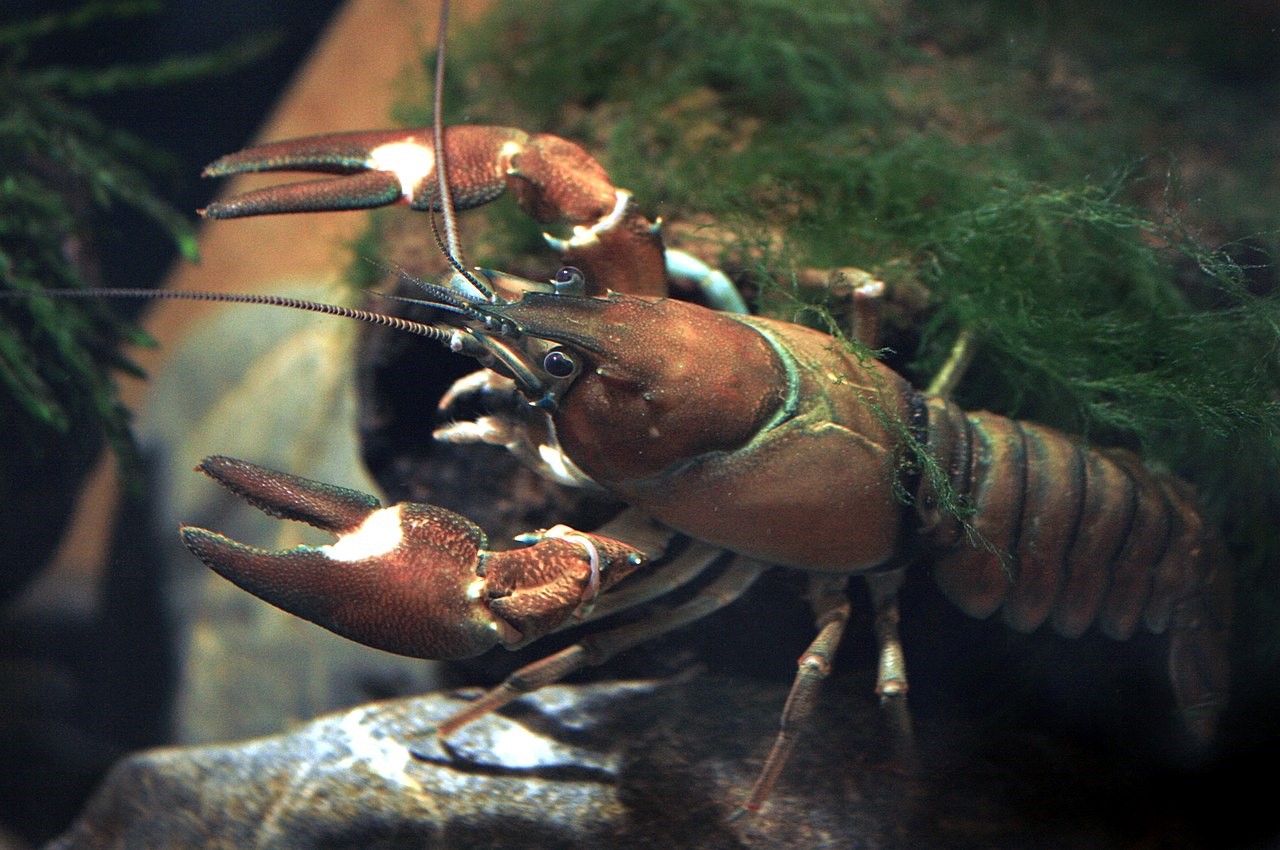
Fig. 12: Signal crayfish. Photo: Astacoides, Signal crayfish female Pacifastacus leniusculus (CC BY-SA 3.0)
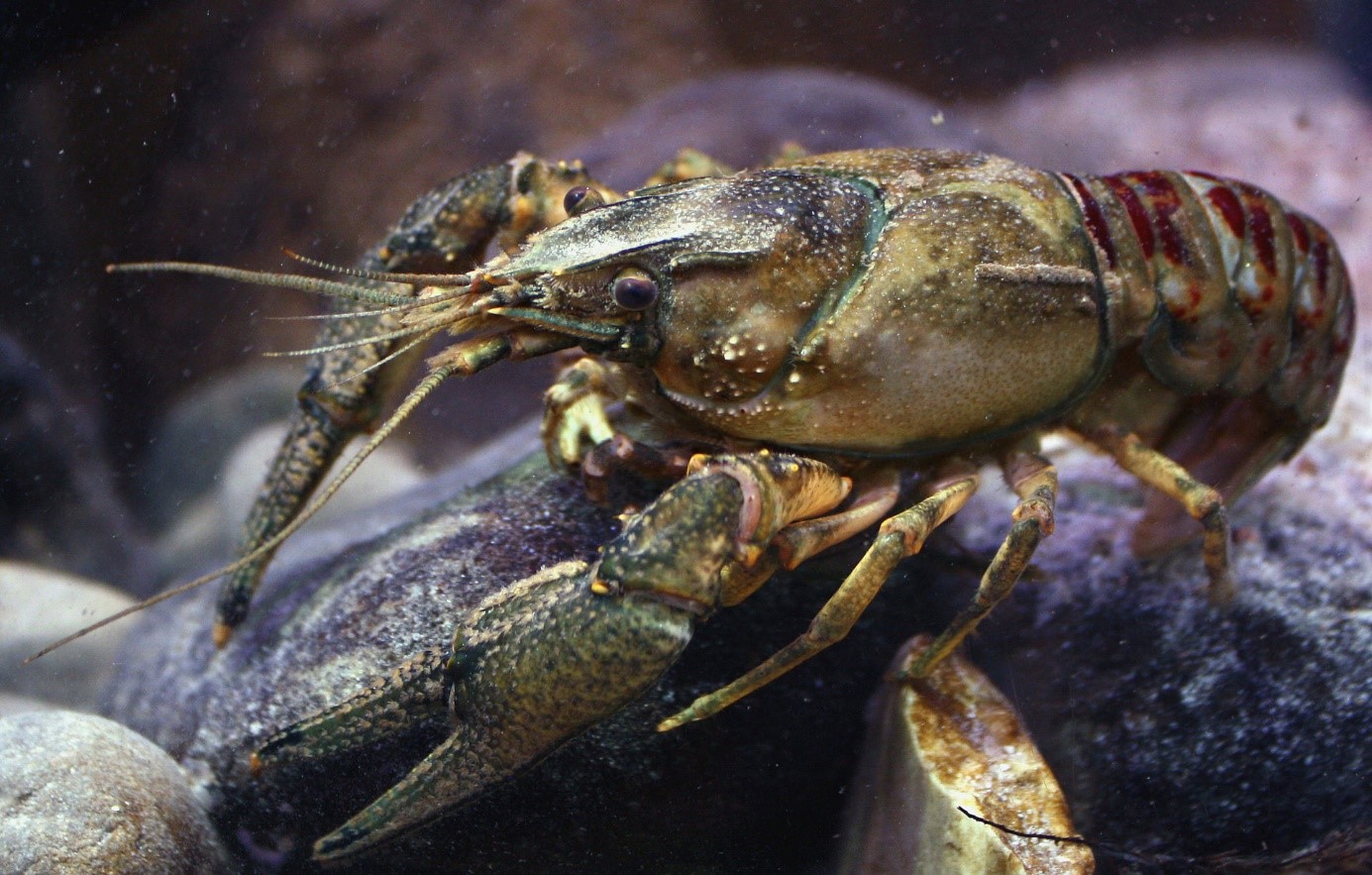
Fig. 13: Spinycheek crayfish. Photo: Astacoides, Spiny-cheek crayfish Orconectes limosus male (CC BY-SA 3.0)
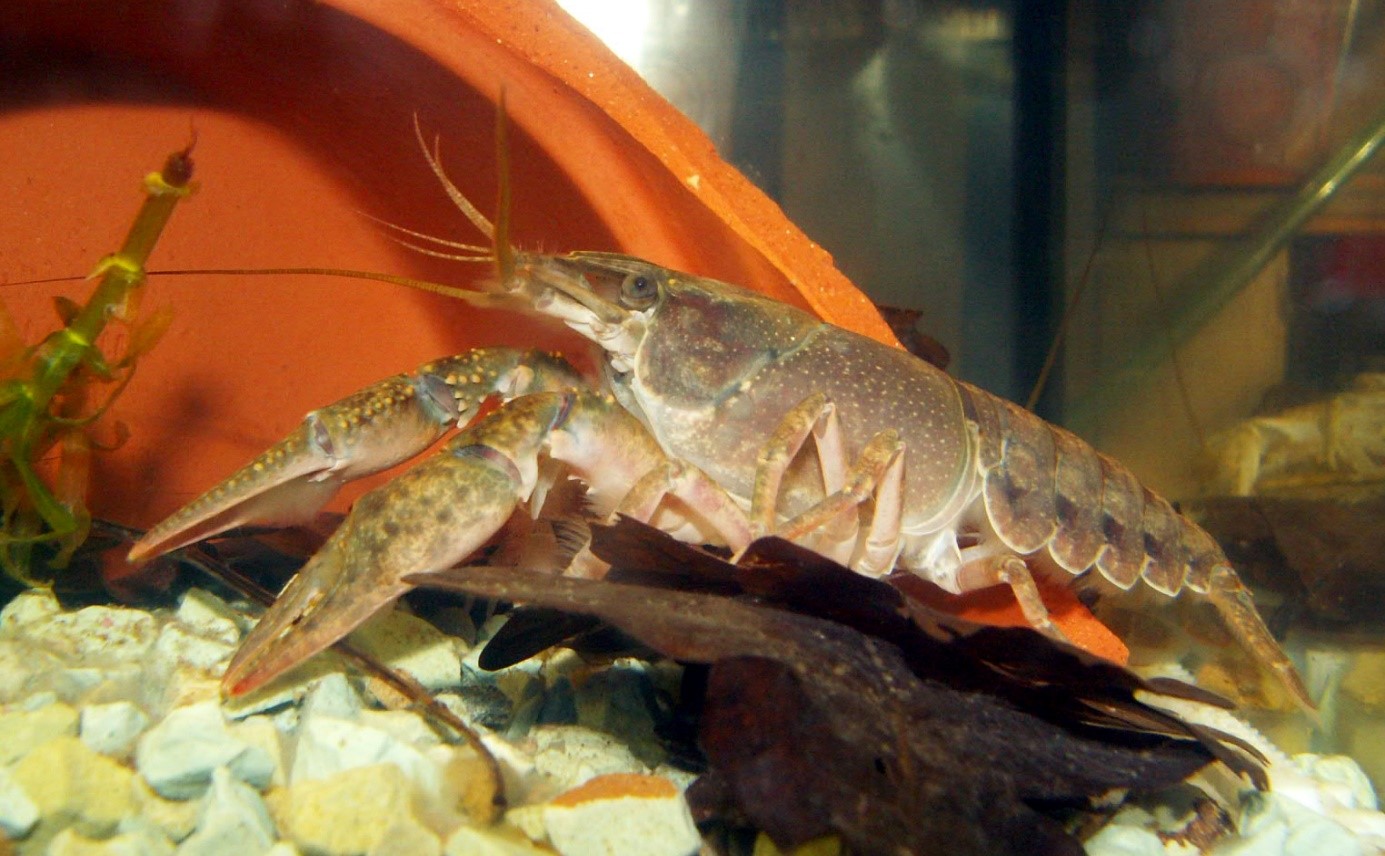
Fig. 14: Calico crayfish. Photo: Astacoides, Orconectes immunis calico crayfish (CC BY-SA 3.0)
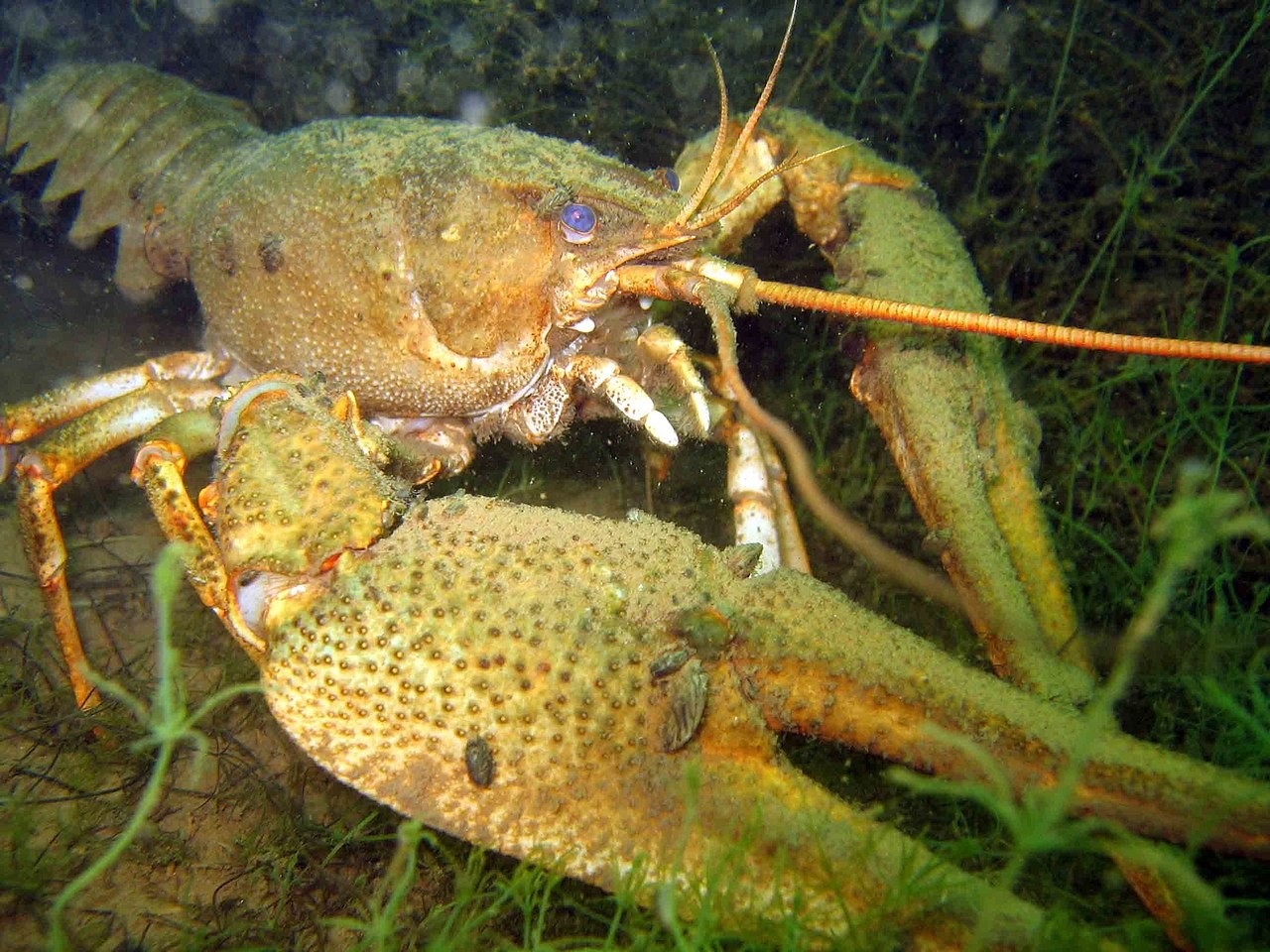
Fig. 15: Galician crayfish. Photo: Ullrich Mühlhoff, Astacus leptodactylus Blausteinsee 05 (CC BY-SA 3.0)
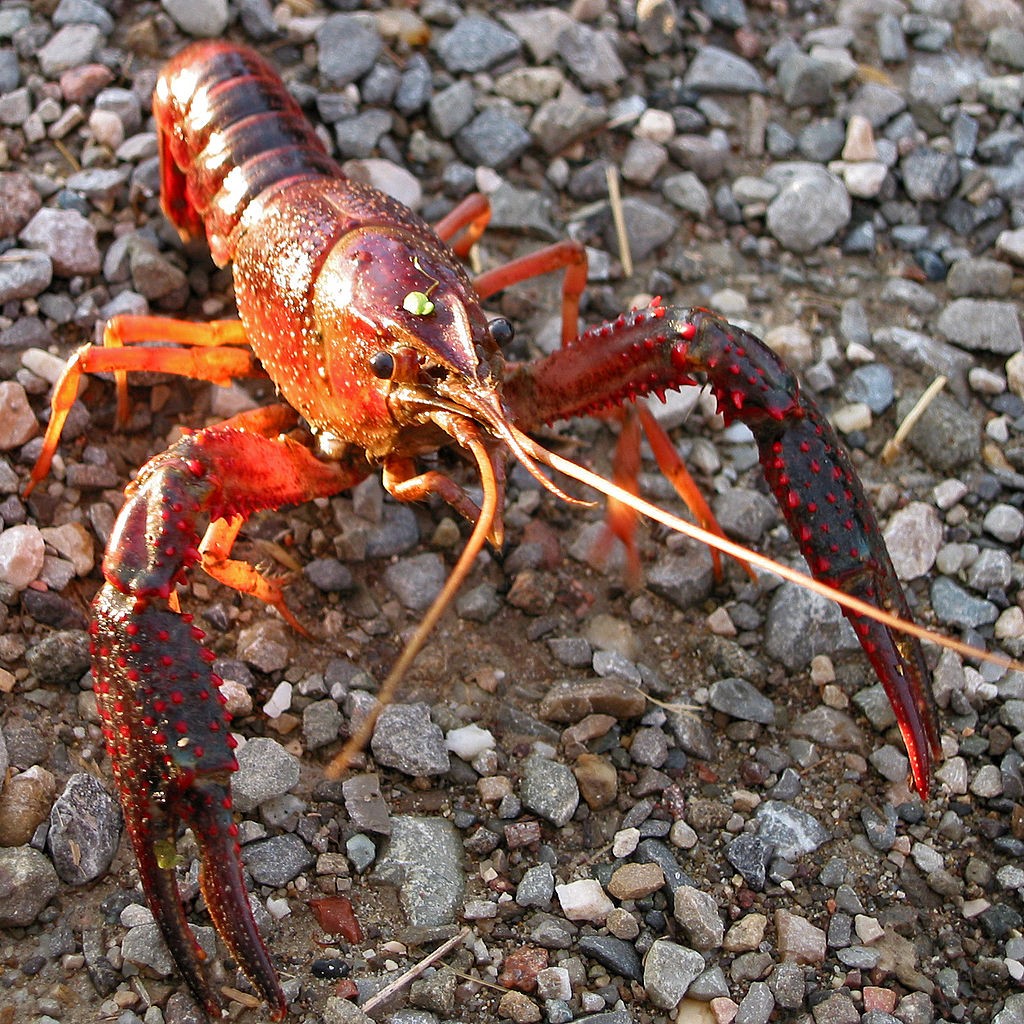
Fig. 16: American red swamp crayfish. Photo: Roberto Ferrari, Gambero Rosso (CC BY-SA 2.0)
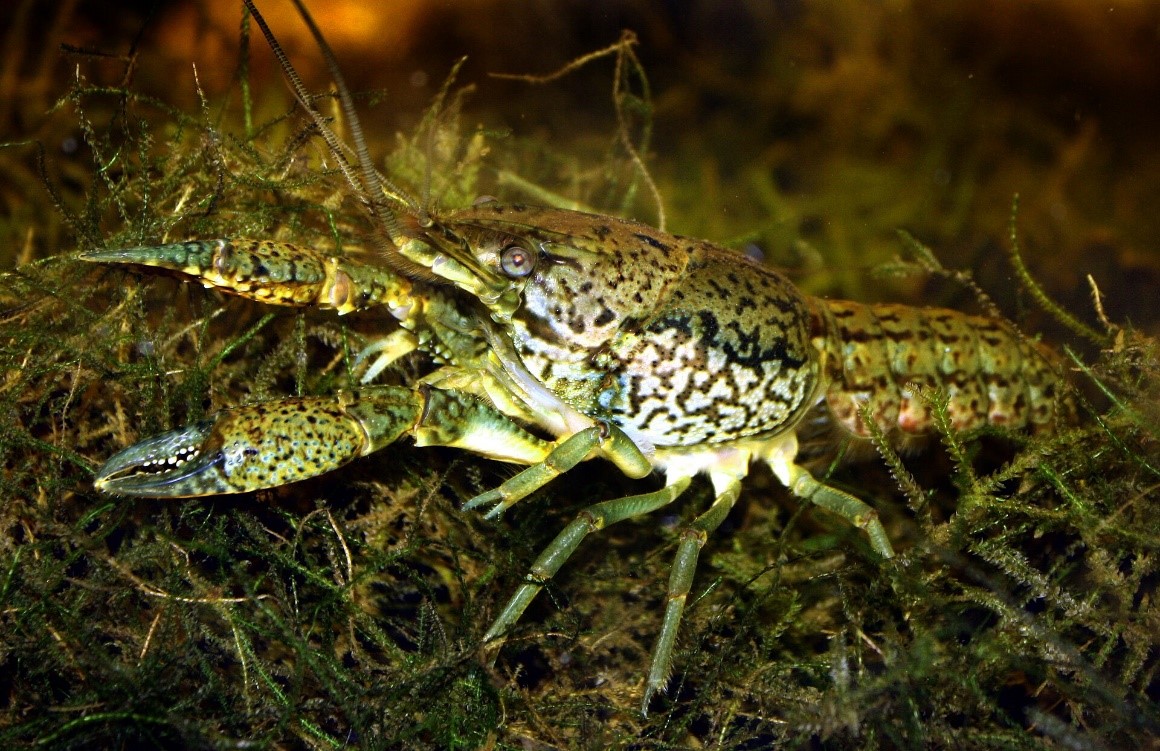
Fig. 17: Marbled crayfish. Photo: Chucholl C., marbled crayfish Procambarus fallax forma virginalis (CC BY-SA 3.0)
The signal crayfish penetrates far into the upper reaches of watercourses and is therefore considered the greatest threat to native species. To protect the last native crayfish populations from the spread of crayfish plague, so-called crayfish barriers are often set up.
In addition to the threat posed by invasive crayfish species and crayfish plague, water pollution and habitat degradation also threaten native crayfish species.

Fig. 18: Crayfish barrier in the Merzhauser Dorfbach stream in Freiburg im Breisgau. Photo: Lisa Anhäuser (FVA BW)
Call for action
Near-natural streams are inhabited by a wide variety of organisms. Most of them depend on a high degree of structural diversity, an intact watercourse bed, and passability within the watercourse. In order to protect species that are in some cases critically endangered and at risk of extinction, built-up watercourse banks must be renaturalised and intact sections preserved.
![[Translate to English:]](/assets/_processed_/2/a/csm_Hero_Wasser_12bc7ae466.webp "[Translate to English:]")

