

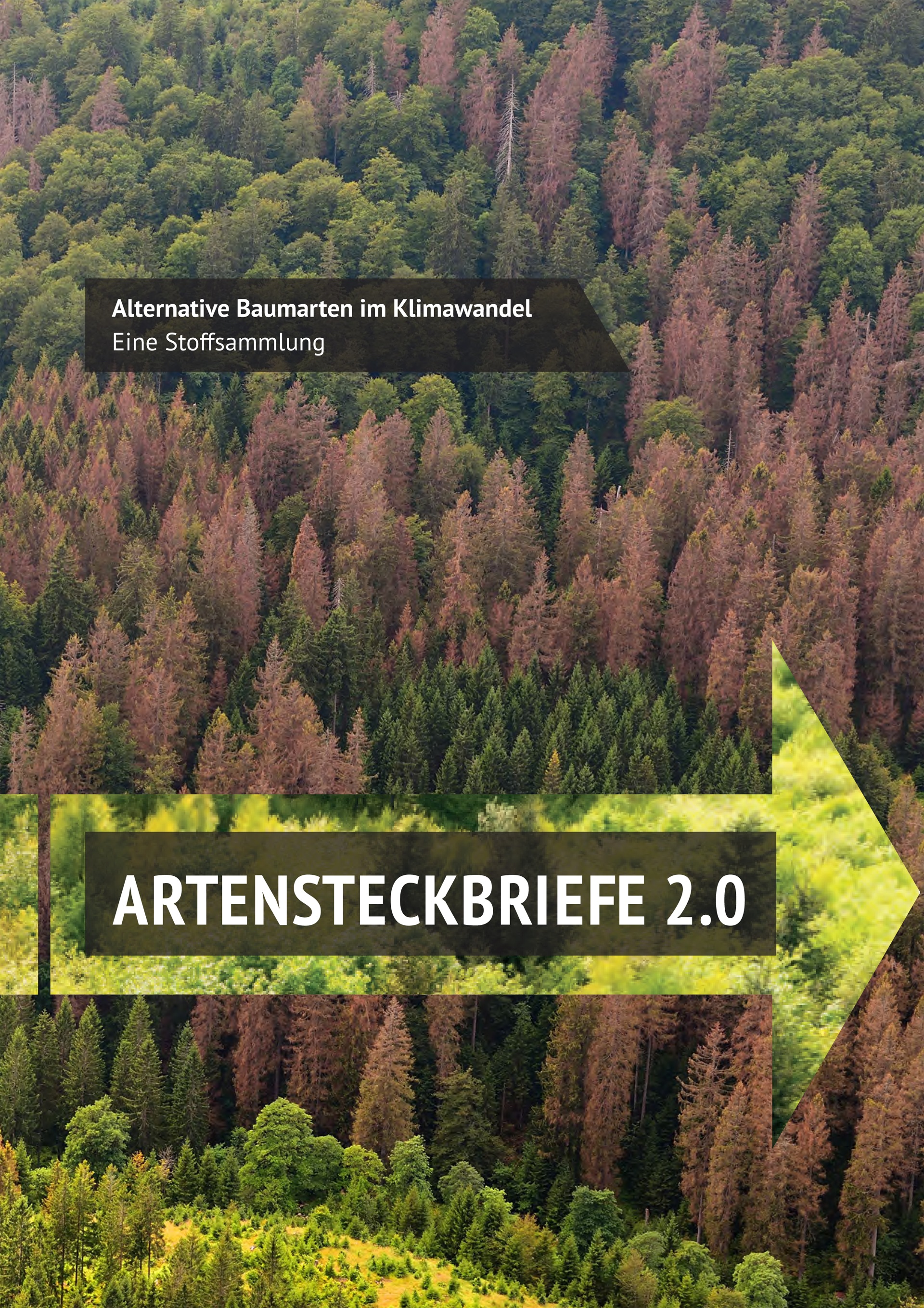


Fig. 1: Forest under climate change. Photo: FVA/Weidner
The uncertainties regarding our future in a changing climate are immense and arise not only from widely diverging climate projections but also from many other sources of uncertainty. And yet we must make silvicultural decisions today that generally have very long-term effects. Not least among these is tree species selection. In addition to the uncertainties of the climate projections, the choice of a particular tree species is, in principle, not straightforward – numerous criteria come into play, which in turn may be assessed and weighted differently by different people.
To help reduce this uncertainty, the tree species profiles compile climate-change-relevant knowledge from the literature on the ecology, site suitability, cultivation, yield, timber use, and risks of candidate tree species. The profiles are thus intended to serve as an initial guidance.
The focus of this work was therefore on:
- a broad search scope, resulting in the description of 35 species,
- a concise form of presentation,
- and the timely release of the profiles.
In this second edition, the profiles have been expanded from 25 to 35 tree species. European beech (Fagus sylvatica) and Norway spruce (Picea abies) were added in the process. They were selected solely as reference species in order to improve the comparability of the characteristics of alternative tree species. In addition to the inclusion of further tree species, the literature information for the 25 tree species was updated to reflect research findings published since the first edition.
With the species profiles, the authors aim to help shape the discussion on the future of our forests. However, since it is currently not possible to predict how a species will actually behave in a new habitat and growing region, we understand the species profiles as an open and ongoing process. We very much welcome information on further scientific findings and experience from forestry practice and invite participation in this process of improving knowledge (fva-bw@forst.bwl.de, keyword "Artensteckbriefe").
- The entire publication can be downloaded from the FVA homepage here (55 MB, in German only)
- Here you can access the current tree species suitability and vulnerability maps (in German only) on the FVA homepage.
The declining suitability of the main tree species is driving the search for alternatives
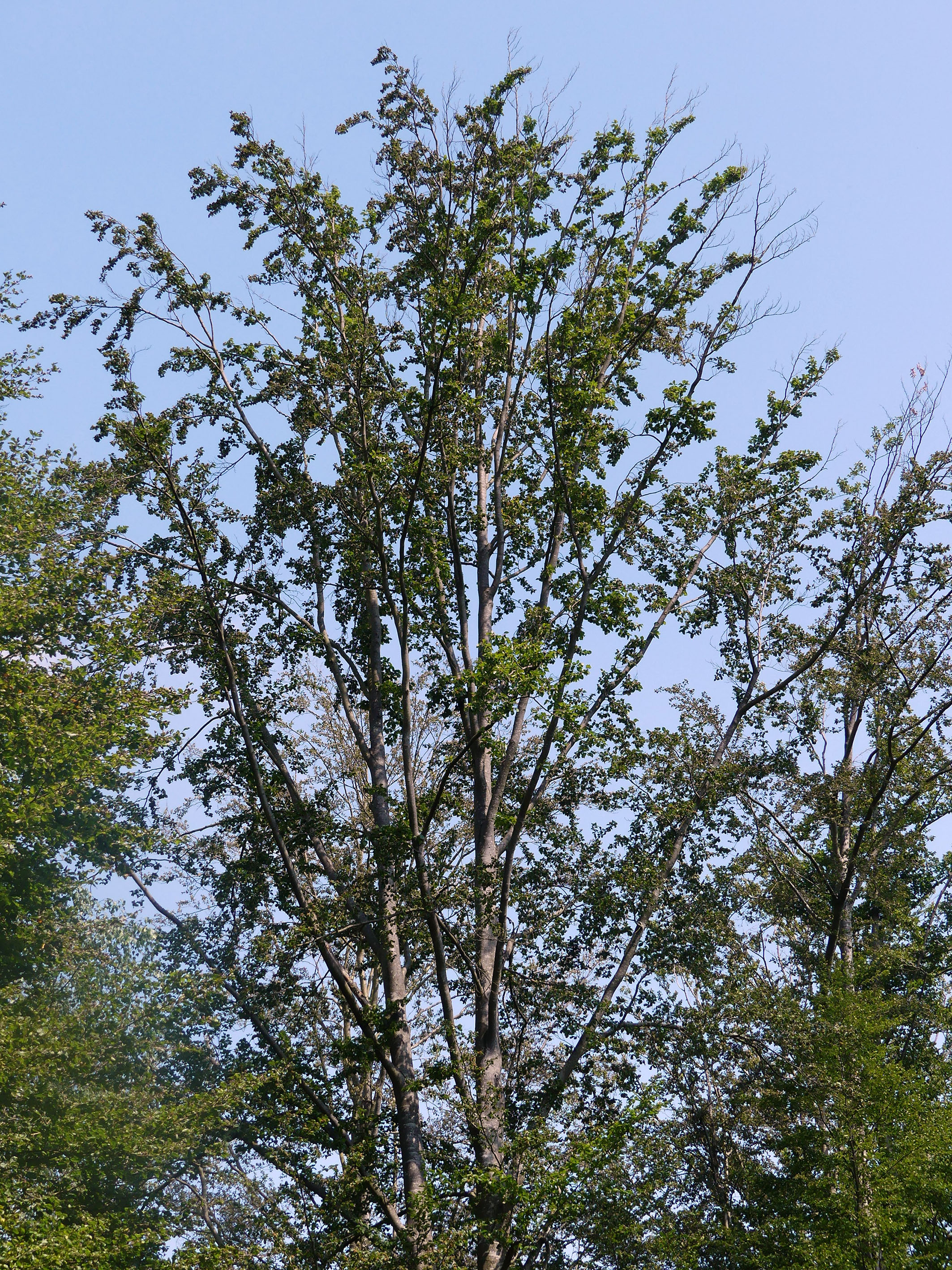
Fig. 2: Crown damage reflects a broader trend: the climatic suitability of European beech, one of the main tree species, continues to decline. Photo: FVA/Meining
In 2019, the FVA published the second generation of tree species suitability maps for Baden-Württemberg, which explicitly take climatic changes into account. These incorporated the results of climate-sensitive species distribution models, water balance models, the risk of bark beetle and storm damage, as well as a growth-based site index model.
A statewide assessment of these climate-sensitive tree species suitability maps showed, for the four main tree species – Norway spruce, European beech, silver fir, and sessile oak – that suitability will decline for all species, even under optimistic underlying assumptions regarding climatic changes.
For Norway spruce, this decline is predominantly characterised by increasing proportions of the poorest suitability classes (red categories). Conversely, for European beech, silver fir, and sessile oak, what is mainly noticeable is a decrease in the best suitability classes (green categories).
When one considers the strength of these signals of change, the urgent need for action becomes evident. Although a loss of the assessed tree species in the sense of a forest dieback as discussed in the 1980s is unlikely in the near future, there are clear trends towards declining climatic suitability emerge.
It is also conceivable that, by using better climate-adapted provenances, ecotypes, or varieties, the current main tree species will continue to remain main tree species. However, this question is being examined in other FVA research projects. The approach of the present study relates to the search for alternative tree species that are better adapted to the future climatic conditions in Baden-Württemberg.
The species profiles are the first step in the search
Naturally, no statewide, systematic planting recommendations can be issued on the basis of a literature review alone. Rather, this first step aims to compile the existing knowledge on selected, potentially suitable tree species in a systematic structure. This has two quite distinct aspects. First, it systematically brings together published knowledge and makes it readily accessible. Second, these species profiles also clearly reveal what we do not know, or do not yet know. The purpose of this study is therefore to present this knowledge and these knowledge gaps as objectively as possible.
The species profiles serve as a kind of screening of promising candidate tree species and represent a first step in the search for new, climatically suitable tree species. Building on this first step, more detailed, quantitative studies will then need to identify species whose suitability is improving for the climatic conditions expected in the future.
In this second step, climate-dynamic species distribution models will be developed for a subset of the species profiles, based on large-scale European distribution data. Finally, in a third step, field trials will be established for an even smaller number of tree species. The selection of species for these trials will, in turn, be based on the findings of the species profiles and the species distribution models.
For some species, extensive results are already available (Abies grandis – grand fir, Quercus rubra – red oak, Larix kaempferi – Japanese larch), and initial experimental forest-growth trials are already being implemented in Baden-Württemberg for further species (Cedrus atlantica – Atlas cedar, Cedrus libani – cedar of Lebanon, Corylus colurna – Turkish hazel).
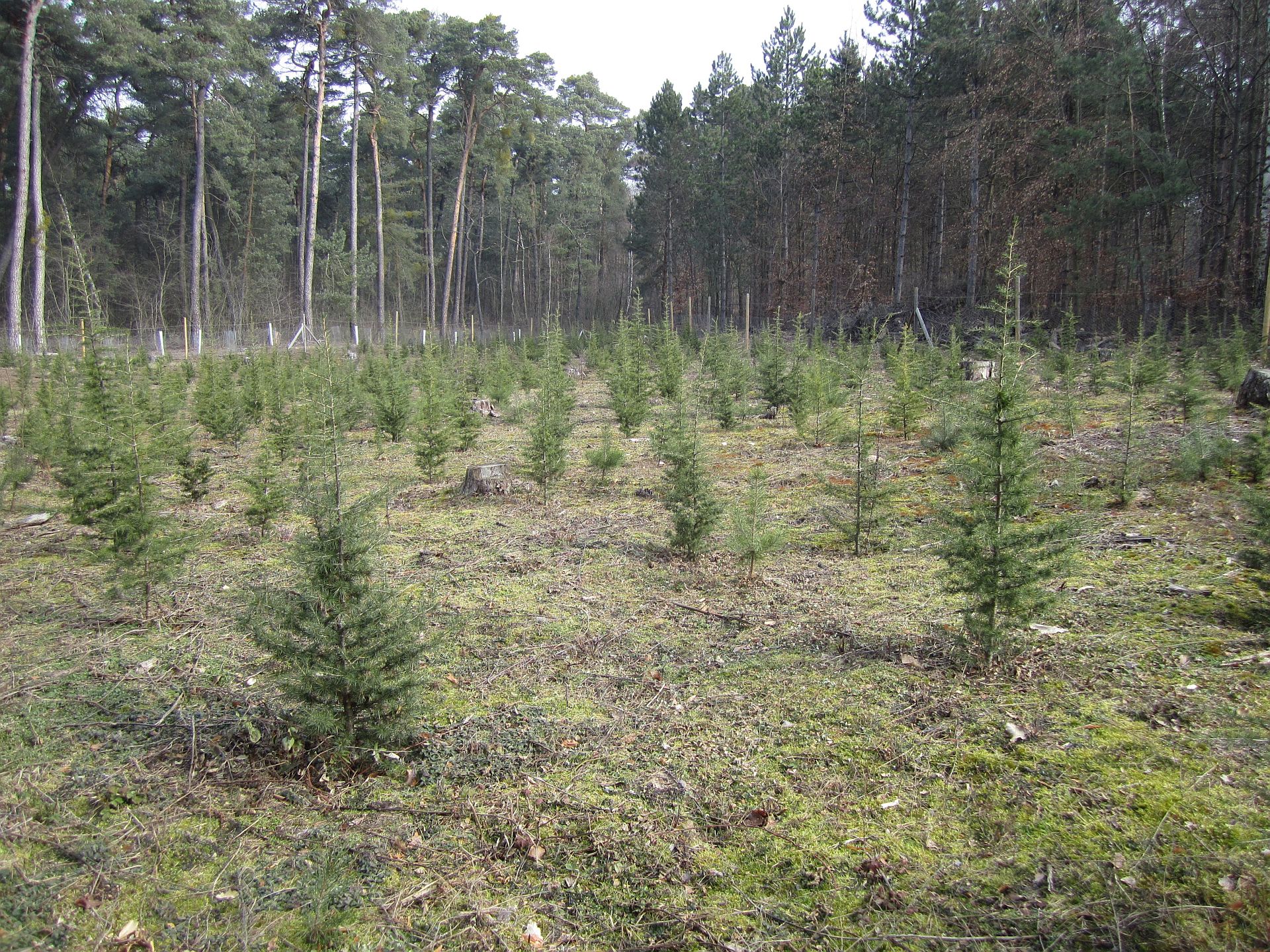
Fig. 3: Lebanon cedar field trial site in Mannheim. Photo: N. Krotz
However, this is not yet sufficient, and additional field trials will therefore need to close both forest-growth-related and genetic knowledge gaps: only empirical results obtained under regionally prevailing growing conditions will answer questions regarding the adaptive capacity of currently existing trees and forests, the suitability of newly planted genetic provenances of the current main tree species, the growth performance and timber properties of alternative tree species, as well as to mortality, silvicultural management, and growth dynamics.
It goes without saying that this third step requires a long-term commitment. However, the urgency of the questions involved also justifies such long-term trials, the results of which will not be available for many years.
How were the species selected for the profiles?
The search for alternative tree species under climate change has already been under way for some time, and studies with quite different orientations and species lists already exist. Based on these studies, the FVA compiled a list of nearly 50 tree species considered to be potential candidates. In a cross-disciplinary process, these species were ranked according to their priority for climate change-related studies. Taking practical aspects into account, the first 35 species were then selected from this list.
Based on fundamental considerations, three main categories of tree species were defined: (1) it is conceivable that species that are already native today, but (still) rare, will show better climatic suitability in the future and will therefore be able to assert themselves more strongly in natural competition than they are able to today. Tree species that are not currently native and grow mainly in regions where the climatic conditions prevailing today are those we expect for Baden-Württemberg in the future belong to the group of tree species from analogous climates. This group was divided into (2) European and (3) non-European species, and thus into species that, in the course of a human-assisted acceleration of their range shift, could in principle migrate into the forests of Baden-Württemberg by a more natural route (category 2), and those that are to be regarded as clearly introduced from other continents (category 3).
Fundamental aspects of the structure of the profiles
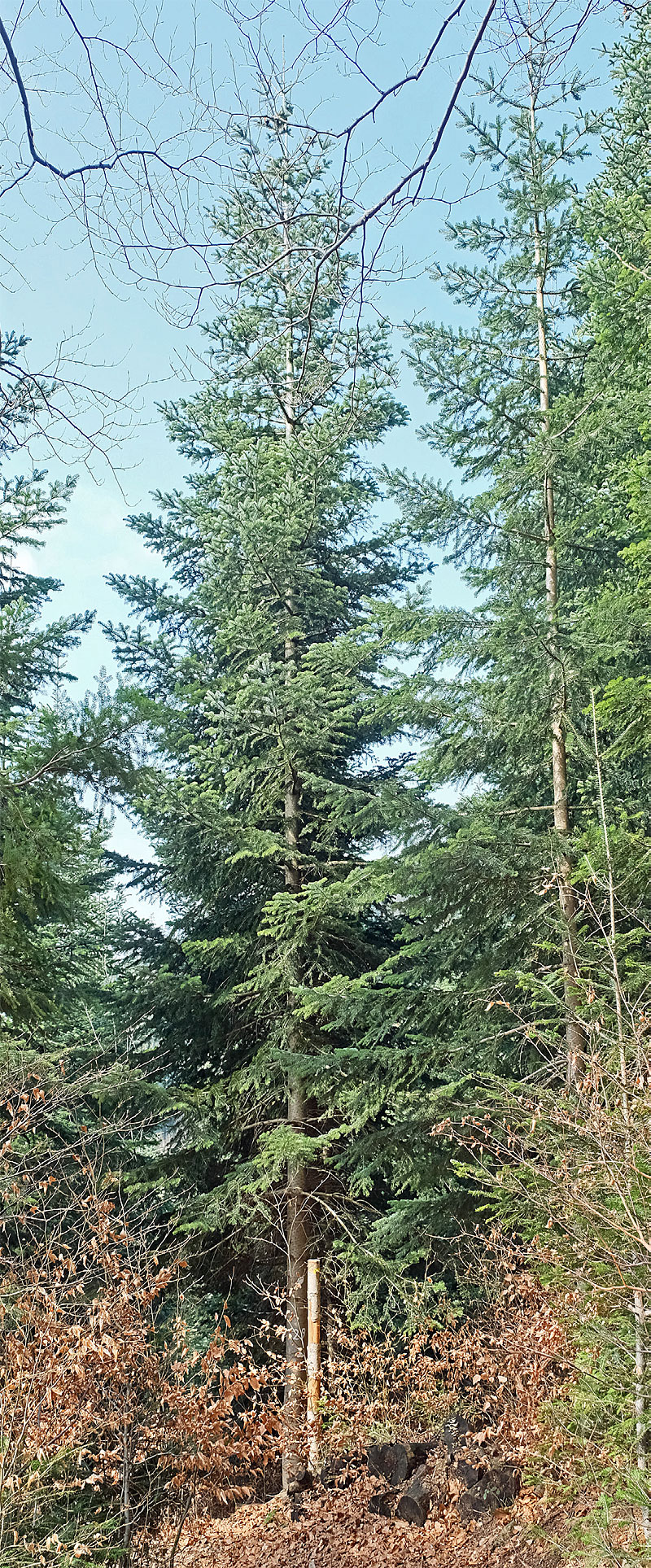
Fig. 4: The Nordmann fir is well known as a popular Christmas tree. Photo: FVA/T. Weidner
The sections of the individual profiles are structured according to the following questions:
- Is the species fundamentally suitable under climate change? (1. Distribution and ecology, 2. Site suitability)
- If so, how can it be introduced silviculturally? (3. Stand establishment)
- Is it known as a commercial timber species? (4. Growth performance and silviculture)
- Are there already experiences in Baden-Württemberg? (5. Experience in Baden-Württemberg and Germany)
- Are high-value timber uses known? (6. Wood properties and timber use)
- Does the species have important ecological, aesthetic, and recreational functions? (7. Other ecosystem services)
- Are there significant risks that might possibly rule out any further consideration of the tree species altogether? (8. Biotic and abiotic risks)
This structure makes it clear that the potential of each species for its establishment, management, and use – that is, its possible significance as a commercial timber species – was at the forefront of the assessment. However, other ecosystem services were also considered in addition.
It should be noted here that the various nature conservation concepts face a significant challenge from climate change. By way of example, reference may be made to the assessment of the naturalness of tree species composition under changing climatic conditions, or to the sustainability of species conservation under climate change in general. The effects of climate change therefore make a more detailed nature-conservation assessment of certain new or alternative tree species more difficult. It is also clear, however, that the introduction of non-European tree species for adaptation to climate change will need to be critically accompanied from a nature-conservation perspective. There is certainly still a great need for research in this area, and the species profiles can also still be improved with regard to non-production functions.
When introducing non-native tree species, the aspect of invasiveness is particularly important in order to prevent possible harmful effects on the environment and the displacement of ecologically valuable native species and communities. This aspect has therefore been placed under section 8 (Risks) in the new second edition of the profiles. It should be noted at this point that the statements in the profiles are not based on a consistent, uniform definition of invasiveness. Rather, only the statements of the authors of the original publications have been reproduced, and these in turn are based on a wide range of assessment criteria. Where available, the invasiveness assessment of the Federal Agency for Nature Conservation (BfN), which follows uniform and clear assessment criteria, has also been included. The BfN defines invasive species as follows: "In nature conservation, non-native species are considered invasive if they have undesirable effects on other species, ecological communities, or habitats." Section 8.10 (Invasiveness), thus contains no independent determination or interpretation of invasiveness potential. For native tree species, invasiveness was considered not relevant. However, available information for areas outside the native range was listed.
The sections "Natural forest community" and "Common associated tree species" were deliberately kept separate, since the associated tree species were to be listed once for the species' native range and once for the possible new growing region.
Unfortunately, separate information not always available, which leads to a certain degree of unavoidable lack of precision. An extension of the strongly species-focused approach to the level of entire forest communities would of course be conceivable and desirable, but this was beyond the scope of the species profiles. Here too, further studies and research work are needed.
How should the species profiles be read – and how should they not be read?
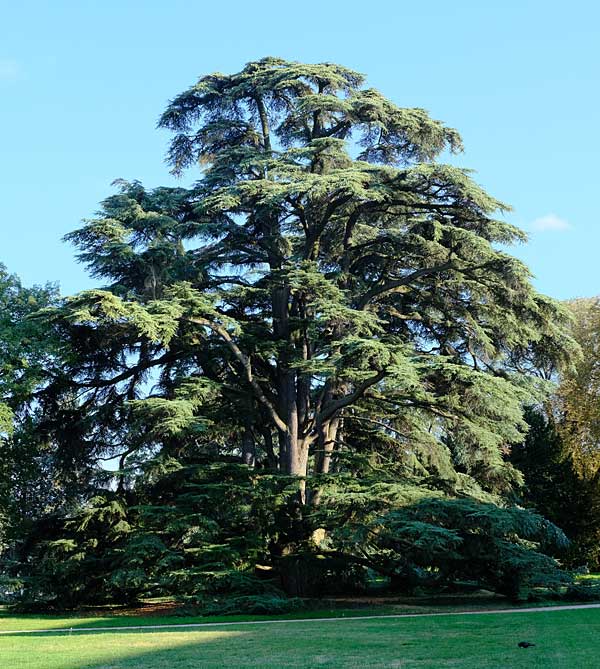
Fig. 5: The cedar of Lebanon is one of the alternative tree species. Photo: T. Weidner
The species profiles are a based entirely on a literature review. No independent interpretations were made, and no concrete planting or action recommendations were derived.
The profiles were derived primarily from scientific, specialist, and citable original publications. In some cases, however, the original publications were not accessible, so that key statements were cited according to secondary sources and identified as such. In addition, grey literature and oral information were partly included, although these were generally rated as somewhat lower in significance.
In summary, the species profiles should be read as a general guidance and used only until more robust knowledge becomes available. They should not be interpreted as practical planting or management recommendations, since many aspects of their successful establishment remain uncertain. Among other reasons, this is also why no sources of supply for seed and planting stock (forest reproductive material) have been listed.
Uncertainties regarding timber use
Specifically with regard to the information on wood properties and timber use (chapter 6 of each profile), it should be explicitly noted here that significant knowledge gaps and uncertainties still remain. For example, it cannot readily be deduced from the literature whether a tree species that is used, for instance, for structural purposes and/or as construction timber in its area of origin can also produce timber of a comparable quality in Germany, such that it could ultimately be used in accordance with the applicable building regulations and approvals. The same applies to other types of timber use, so that more detailed studies in wood science and materials science are urgently needed, particularly for the species that are ultimately identified as priorities in our search for alternative tree species. To improve clarity, the chapter on timber use has therefore been revised in this second edition.
Uncertainties regarding risks
The profiles provide as comprehensive a list as possible of all known pathogens and abiotic risks. Following the precautionary principle, the aim is to document which potential risks may occur. An effort was also made to work out whether particularly virulent pathogens or stand-threatening, large-scale losses as a result of particular risks are known. The length of the list of known risks should therefore not be regarded as proportional to the damage potential of a tree species.
For all risks, it is difficult to impossible to reliably predict future development. If a tree species is introduced into an area where it has not previously occurred, the future dynamics of biotic risks cannot be predicted. On the one hand, coevolution effects could occur, which could either reduce or increase the damage potential. On the other hand, interactions between existing and newly introduced tree species and their specific pathogens may also increase the damage potential. The risks listed in the profiles should therefore be read not as a definitive risk assessment, but merely as general guidance.
A systematic comparison of the tree species is provided at the end
Following the presentation of the information on the individual species, the question arises as to which species show the greatest potential for adapting forests to climate change. A tree species ranking was therefore developed in order to feed the particularly promising tree species into the further steps of the overall research concept. For this purpose, a multi-criteria analysis was applied – a method characterised by its ability to take several criteria for prioritising selection options into account simultaneously (Summary tree species ranking, PDF 1MB). Several ranking variants were developed to illustrate how different priorities in tree species selection can lead to different outcomes. The publication concludes with a graphical comparison of the temperature, precipitation, and soil pH values reported in the original literature (Comparison of the precipitation, temperature, and pH ranges of the tree species PDF, 55MB).
![[Translate to English:]](/assets/_processed_/c/0/csm_douglasienwald_29124f0fb0.webp "[Translate to English:]")
