




The significance of silver fir
According to the latest results of the National Forest Inventory, silver fir accounts for 2.8 % of the forest area in Bavaria and has even gained more ground since the last inventory. As a shade-tolerant tree species, it benefits from close-to-nature forestry management and has been able to double its regeneration area to over 42,000 ha since the National Forest Inventory of 2012. This means that silver fir has a much stronger presence in the regeneration than in the main stand (LWF 2024). Both the Bavarian State Forests and private forest owners are increasingly opting for silver fir as an alternative softwood species to spruce. The recent dry years have however raised the question of whether domestic provenances being really the only choice in times of climate change and still the only ones that should be used. On dry sites in particular, there is a clear need to utilise other climate-plastic provenances from the natural distribution area to adapt the stands to climate change. Given this background, plans are being considered to bolster the resilience of Bavarian forests by transferring provenances from warmer and drier regions of Europe that have proven themselves in cultivation trials.
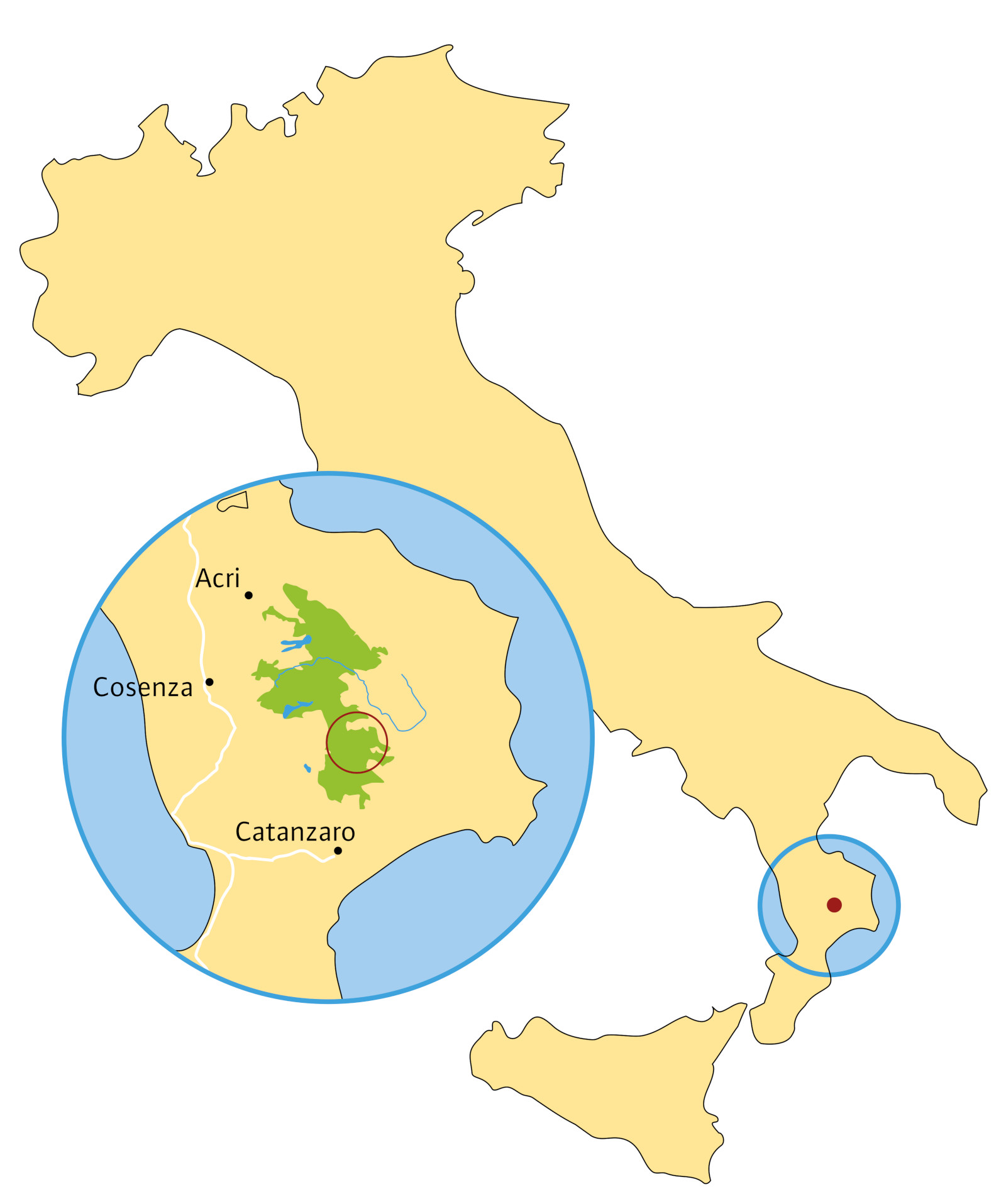
Fig. 1: Location of the Monte Gariglione seed harvesting stand in the Sila Mountains.
To identify further potentially climate-resilient seed harvesting stands for silver fir in its natural range, a search map was created in the framework of the sensFORclim project as a basis for future climate change adaptation trials. It was demonstrated how niche modelling methods at the provenance level as well as climate analogy can be used to identify potentially relevant provenance regions. The models aim to map the warm and dry niche edge in warmer regions of Europe as accurately as possible. This made it possible, for example, to identify an interesting fir provenance region in Calabria (Figure 1). The example of the Calabrian silver fir (“Gariglione” provenance) shows that the method presented here for finding climate-plastic provenances is indeed promising.
In the provenance trials on dry sites in Austria at altitudes below 600 metres above sea level, these Calabrian provenances show excellent results. Plantations with Calabrian fir in Denmark and Bavaria also show very good vitality and growth, even under warm, dry conditions.
Populations in the natural distribution area
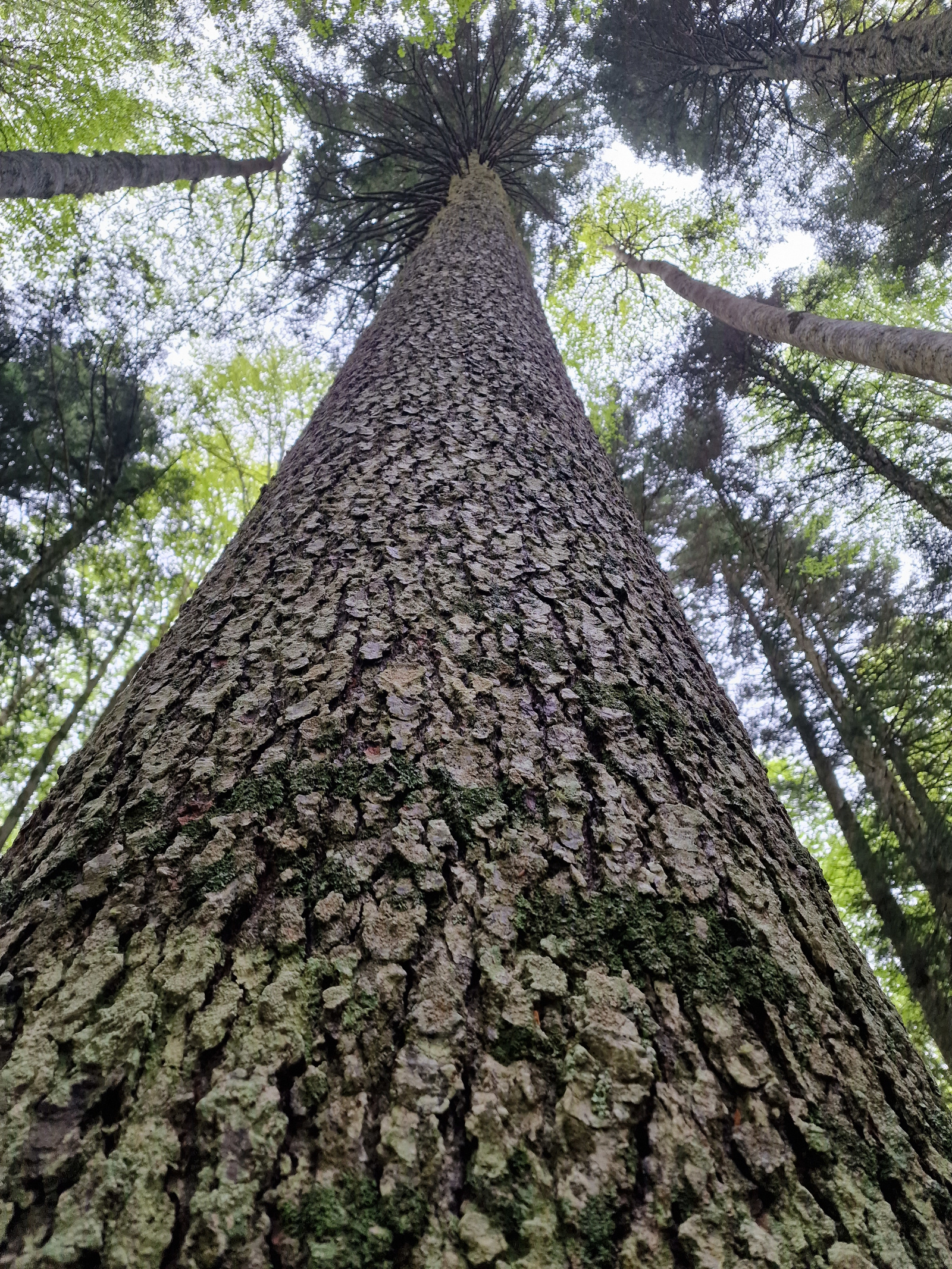
Fig. 2: Potential plus tree - a silver fir over 35 metres tall on Monte Gariglione, Calabria. Photo M. Šeho
On the tour of the selected Calabrian seed orchards, the AWG team noticed high-quality silver fir on Monte Gariglione and near Sera San Bruno in 2023. The selected seed harvest stand IT/aal/2/D/CAL/0018 is on Monte Gariglione, in the heart of the Sila National Park in central Calabria.
This 110 to 180-year-old silver fir stand extends over an area of 450 ha at the altitudes ranging from 1,370 to 1,680 metres above sea level. The mature stand consists of 60 to 70 % silver fir, mixed with black pine and common beech. Depending on the altitude, the Sila Mountains receive between 820 and 1,700 mm of precipitation each year, 70% of which falls from October to March. In summer, maximum rainfall is 100 mm, with an average annual temperature of 8.2 °C to 12.5 °C. The lowest temperatures are around –12 °C, with the last late frosts occurring in mid-April.
The site is characterised by deep brown earths, easily penetrable by roots, and formed by the weathering of mica schist and granite with a moderate nutrient and base supply. The trunk quality of silver firs is good to very good. The firs are very cylindrical and straight-shafted and have long, vigorous green crowns. The DBH is 55 to 90 cm, and the average height of the stand is 36 to 38 m (Figure 2). The large standing stocks of 900 to 1,150 cubic metres/ha are impressive. The entire harvesting unit has been a designated Genetic Conservation Unit since 1977.
On several trial plots in Denmark, Austria and Bavaria (IUFRO provenance trial of 1986/87 and southern German provenance trial of 1989), the Monte Gariglione provenance is proving itself to be particularly vigorous and fast-growing, especially from the age of 30 onwards. This seems to be particularly true for the sites with an average annual temperature above 8.5 °C; annual precipitation below 800 mm is well tolerated (e.g. on the Tännesberg-Maschen trial plot near Flossenbürg).
According to Neophytou (2015), silver fir survived the last ice age in various refugia (Figure 3). The species returned to Germany after the last ice age via different remigration routes (eastern/western Alps) and resulted in the current distribution patterns in Bavaria/Germany. The Calabrian silver fir did not find its way to Bavaria by natural means and is particularly interesting in the context of climate change due to its high genetic diversity.
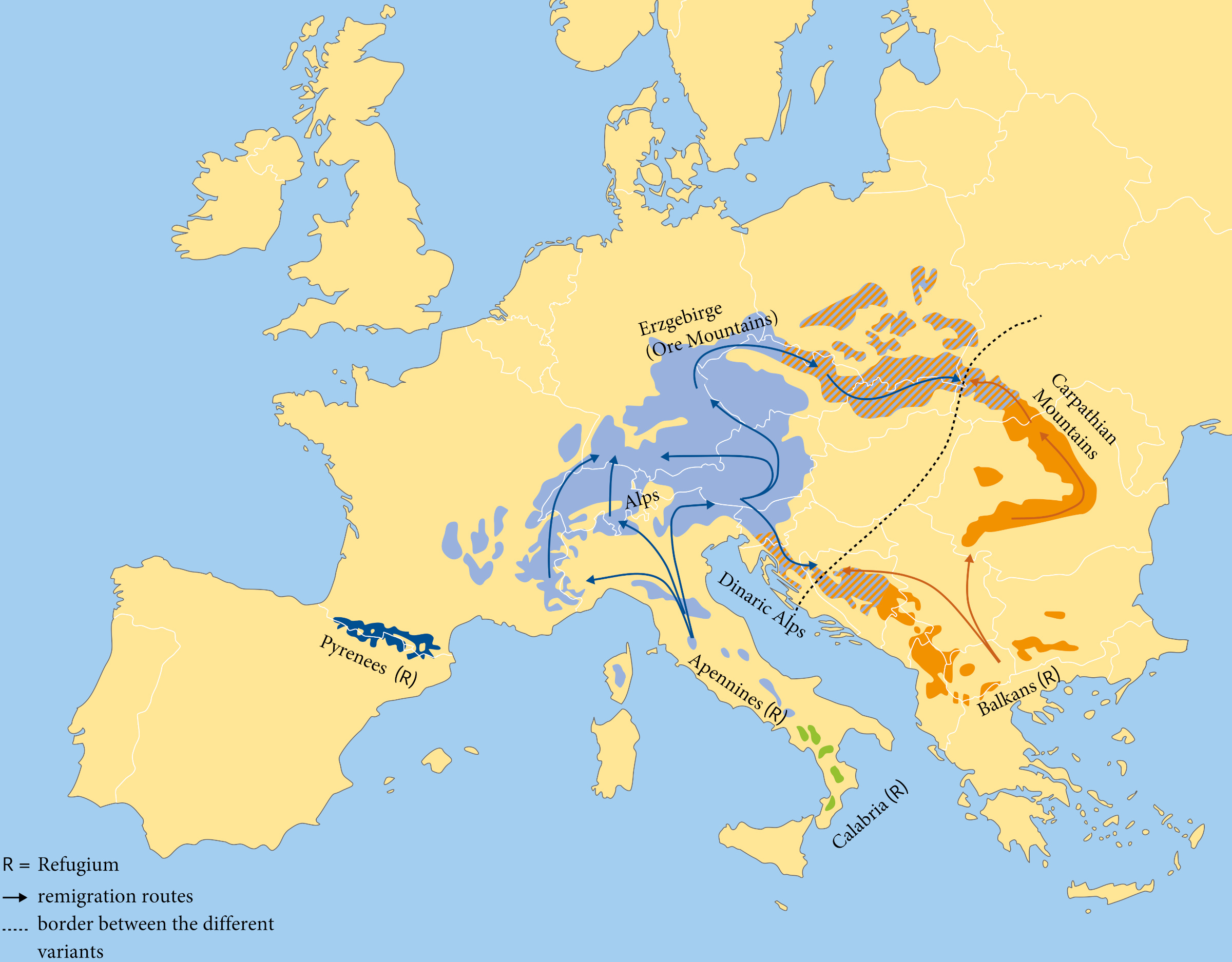
Fig. 3: Phylogenetic groups and remigration routes of silver fir. Source: Neophytou (2015)
Genetic methods and analyses
During the visits to the selected Calabrian seed orchards, needle samples were taken and brought to Teisendorf for genetic examination. The following nine SSR markers were selected for the genetic analyses: NFF7, NFH3, NFF3, NFH15 (Hansen et al. 2005), SF78, SF1, SFb4 (Cremer et al. 2006), Aat05, Aat10 (Postolache et al. 2014).
To describe genetic variation, allele frequencies were calculated based on the multilocus genotypes determined for individual trees. The following genetic indices describing genetic variation within populations were calculated using the GenAIEx Version 6.5 programme (Peakall & Smouse 2012) (Figure 4).
A clustering method (Structure 2.3.4, Pritchard et al. 2000) was used to analyse and graphically present possible genetic differences (CLUMPAK, Kopelman et al. 2015).
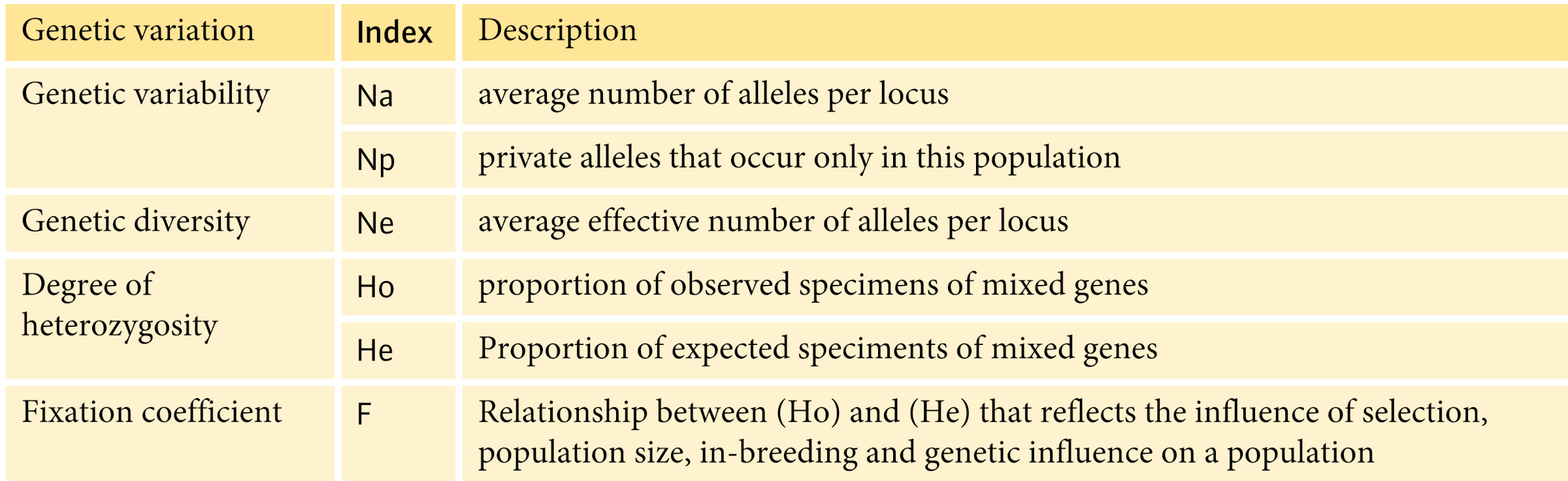
Fig. 4: Population genetic parameters for the identification of the genetic variability in seed orchards.
Population genetic parameters
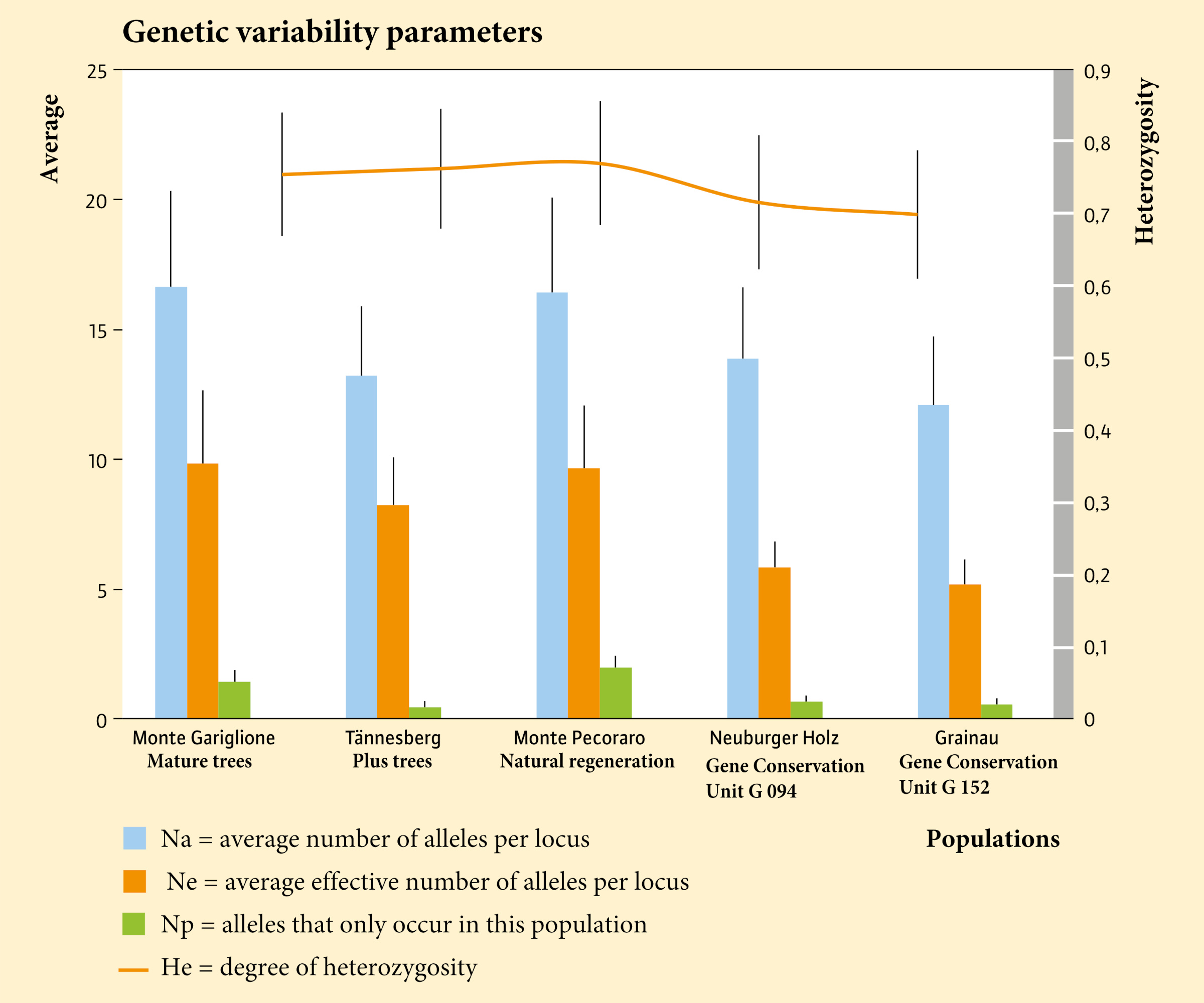
Fig. 5: Genetic variability parameters of Calabrian and Bavarian provenances: Monte Gariglione and Monte Pecoraro in Calabria, and Tännesberg, Neuburger Holz and Grainau in Bavaria.
For the adaptability of a provenance in the future, it is important that source populations from which seed or scions are obtained for the establishment of seed orchards exhibit a high level of genetic diversity. The four fir populations and the 40 plus trees showed relatively high genetic variation. The number of alleles (Na) varied between 12.1 (Grainau Genetic Conservation Unit) and 16.6 (Monte Gariglione), with an overall average of Na = 14.5. The number of effective alleles (Ne) varied between 5.2 (Grainau Genetic Conservation Unit) and 9.8 (Monte Gariglione) with an overall mean value of Ne = 7.7. These values show the differences in genetic variation in the studied populations. Higher values may mean greater adaptability. The highest number of private alleles (Np) was found in the Monte Pecoraro provenance (Np = 2.00); the lowest value was 0.56 (Tännesberg) (Figure 5). Private alleles tell us something about the uniqueness of the studied populations. If many gene variants occur exclusively in one population, this population is deemed genetically distinct and may therefore either well- or maladapt to changing future environmental conditions.
The observed heterozygosity (Ho) also varied in all populations studied, ranging from 0.701 (Grainau Genetic Conservation Unit) to 0.783 (Tännesberg), with a mean value of 0.741. The expected heterozygosity (He) also varied in all populations studied, ranging from 0.700 (Grainau Genetic Conservation Unit) to 0.771 (Monte Pecoraro), with a mean value of 0.741 (Figure 5). Heterozygous individuals have two different gene variants at one gene locus. This is like a safety net. If one allele does not work, the other allele could carry a variation that copes better with the conditions encountered.
The observed (Ho) and expected (He) degrees of heterozygosity are at a similar level across all populations studied, so that the fixation index (F) was close to zero (–0.4 in Tännesberg and 0.06 in Monte Pecoraro). No inbreeding has thus been found in the populations. This means that gene flow within and between populations is intact.
The genetic distance matrix according to Nei (1972) (Figure 6) shows large genetic distances between the Calabrian and Bavarian provenances (0.20-0.28). By contrast, genetic distances between the Calabrian populations are very small (0.05-0.06). Plus trees obtained from the Calabrian provenance in the Tännesberg provenance trial also match very well with the fir samples currently being collected in Calabria. This means that the “Calabrian fir” provenance in the provenance trial is very likely to come from Calabria and the genetic markers used identified Calabrian fir efficiently.
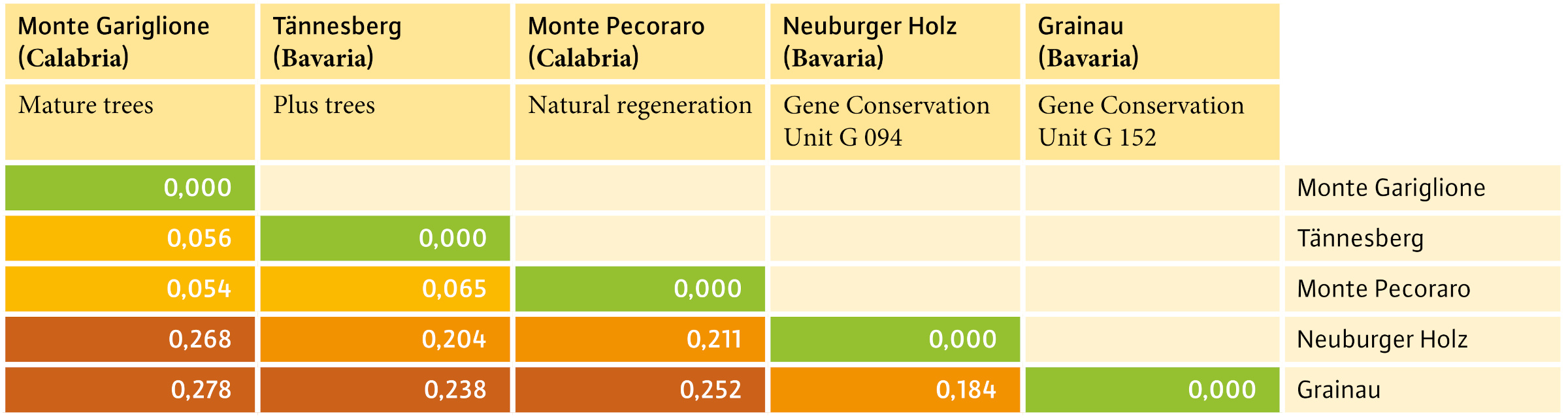
Fig. 6: Pairwise genetic distances of the studied fir stands according to Nei (1972).
Spatial-genetic structure
The results of the Bayesian cluster analysis show the best grouping with two (K=2) and three gene pools (K=3) (Figure 7). With two assumed clusters (K=2), the deltaK value is 166, thus showing a strong distinction between the Calabrian and Bavarian fir stands. A further grouping results at K=3 indicates the two other Bavarian populations are very different. This means that the plus trees growing on trial sites in Bavaria can be clearly assigned to the Calabrian gene pool.
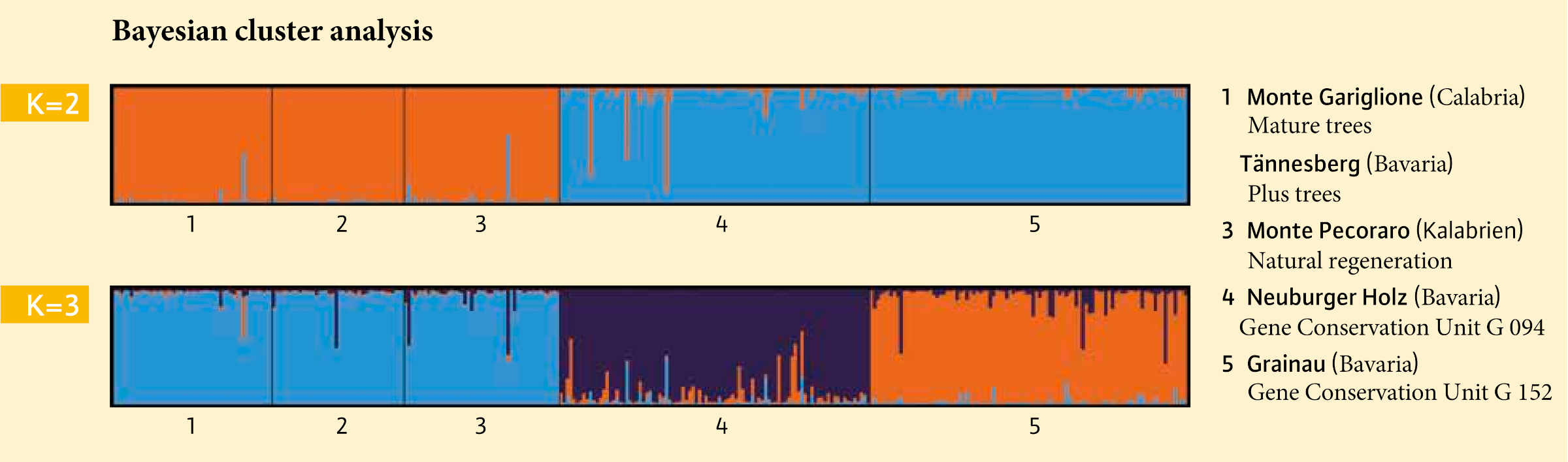
Fig. 7: Genetic structure for two clusters (K=2) and for three clusters (K=3).
Procedure in Bavaria and establishment of the new seed orchard
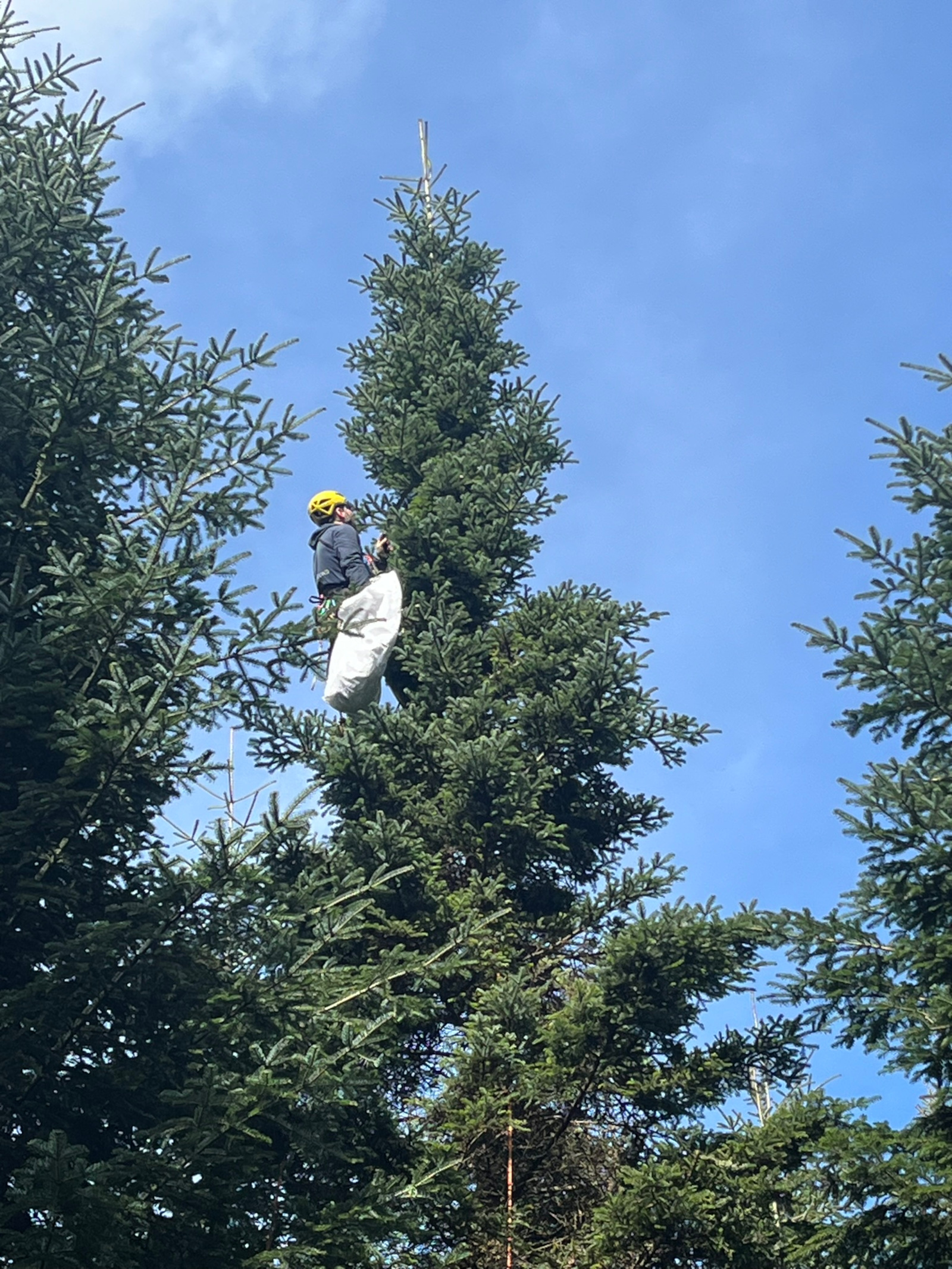
Fig. 8: Scion cuttings are taken from a Calabrian fir. Photo: D. Glass
Our colleagues Dr Schüler and Dr Konrad from the Federal Research Centre for Forests (BFW) in Vienna have planned the material collection of plus trees from Calabria in detail in recent years and have already carried out much of the necessary work. Bavaria has now had the opportunity to join in with its own project and establish a seed orchard to secure the long-term supply of potentially drought-tolerant Calabrian fir seeds. As Bavaria’s contribution, scions from 40 Calabrian fir plus trees were identified and obtained from various AWG trial areas, including one near Tännesberg. The scions will be used for one Austrian and one Bavarian seed plantation respectively. This will help to spread the risk and ensure that even if the clones on one seed orchard fail, a copy can be obtained from the other seed orchard. All the planned work was completed during the project period. In addition to the selection of plus trees, scion cuttings and graftings were realised, a suitable area was identified in the Bavarian State Forest near Stöttwang. In co-operation with the colleagues from the Landsberg am Lech Forest Department, the area was cleared and prepared so that planting could take place.
Summary
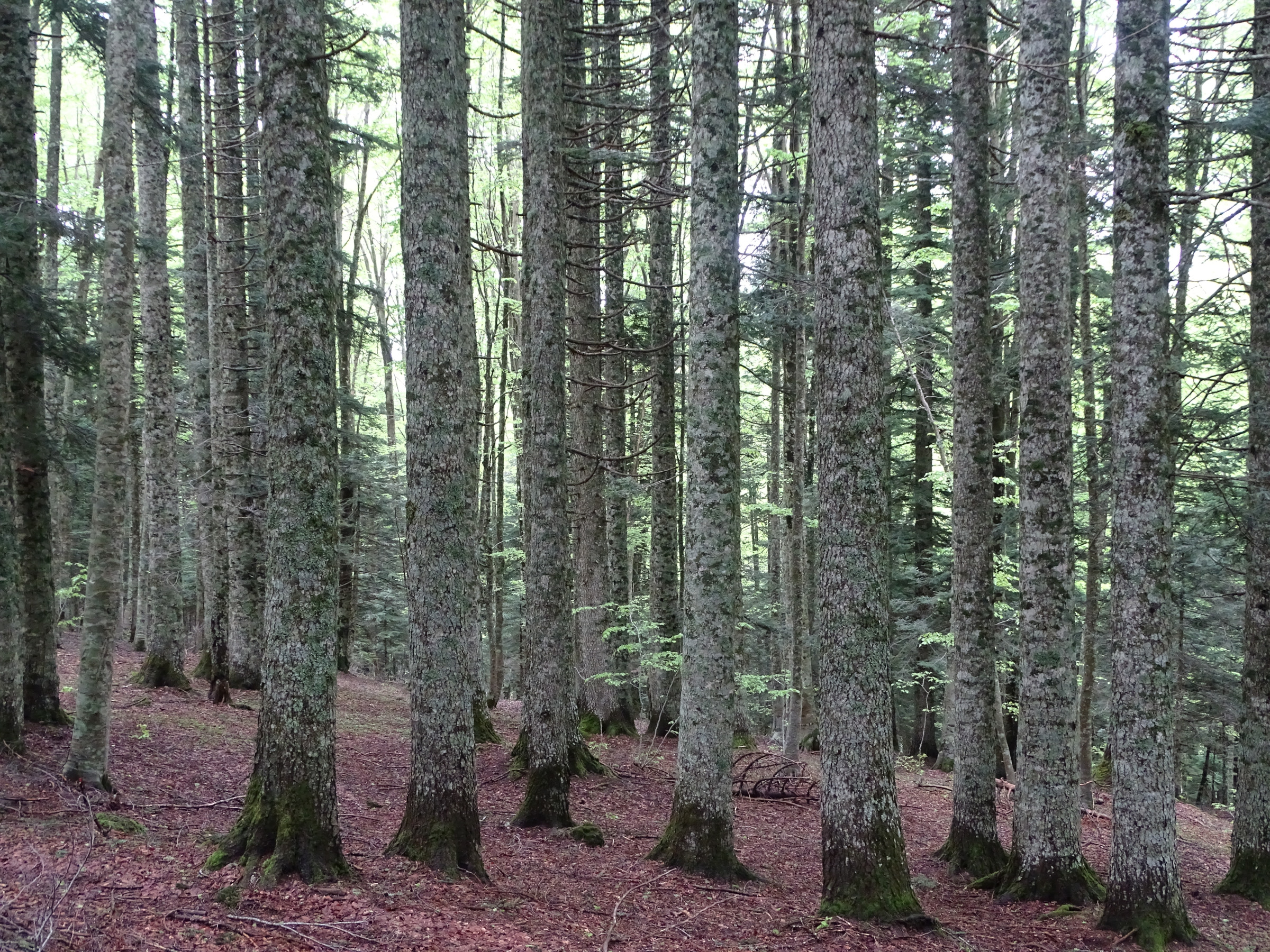
Fig. 9: Well stocked fir stand on Monte Gariglione in Calabria. Photo: J. Geiger
Silver fir is one of the most important native conifer species. Particularly on dry sites, there is a clear need to include other climate-resilient provenances from the natural distribution area in order to adapt Bavarian stands to climate change. In this study, Calabrian fir was evaluated in detail as a potentially climate-resilient provenance. For the adaptability of a provenance in the future, it is important that source populations should have high genetic diversity. The fir stands from Calabria show greater genetic diversity than the Bavarian genetic conservation units. The genetic differences between the Calabrian and Bavarian fir stands are relatively large. In order to secure the supply of genetically diverse Calabrian fir propagation material, seed orchards with high-quality plus trees are being established in Austria and Bavaria.
Project: The “klifW025” project is being funded by the Bavarian State Ministry of Food, Agriculture and Forestry (StMELF) (Running time: 01.07.2023 - 31.12.2024).