



Dutch elm disease is a fungal wilting disease that originated in East Asia. It leads to blockage of the tree’s vascular system. It is caused by the fungi Ophiostoma ulmi and novo-ulmi. The first wave of introduction was caused by the original form of the fungus (O. ulmi). After its appearance in the Netherlands around 1919, it spread rapidly across Central Europe. Fewer than 10 years later, it had already been detected in various places in northern and southern Bavaria. It was for example “in 1927 [...] already very harmful in Nuremberg and Erlangen” (Tubeuf 1935). From 1970, there was a second wave, caused by the even “more aggressive species” O. novi-ulmi.
The modes of transmission
The disease can be transmitted via root fusions between neighbouring standing trees, but to spread efficiently over longer distances it is entirely dependent on animal vectors. In Europe, it finds these mainly in the form of several of the 10 or so bark beetle species of the genus Scolytus. However, these beetles attack the various elm species, different dimensions of elm, and different trunk parts in very different ways. Their efficiency as spreaders of the disease thus varies considerably. The large elm bark beetle (Scolytus scolytus), which specialises in infesting trees of larger dimensions, is considered the most efficient transmitter and the main vector.
Scolytus species do not have the special transport structures known as mycangia that some other bark beetle species have for the fungal spores, but transport them on the surface of their bodies and in their intestines. A certain spore load is required for successful infection. This is not achieved equally by all species.
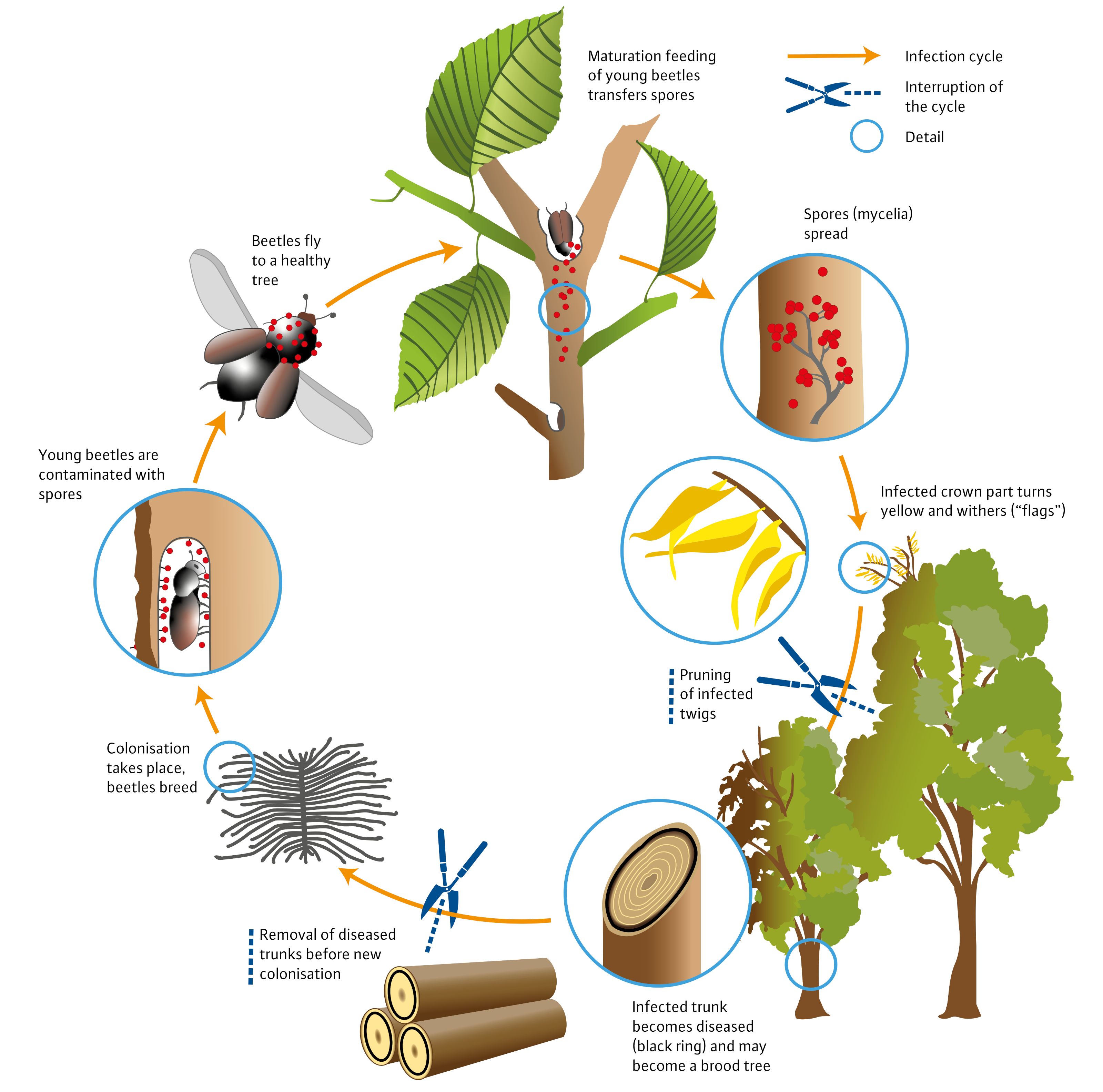
Fig. 1: Infection cycle of Dutch elm disease and ways of interrupting it. Layout: Christine Hopf
Susceptibility of species of elm
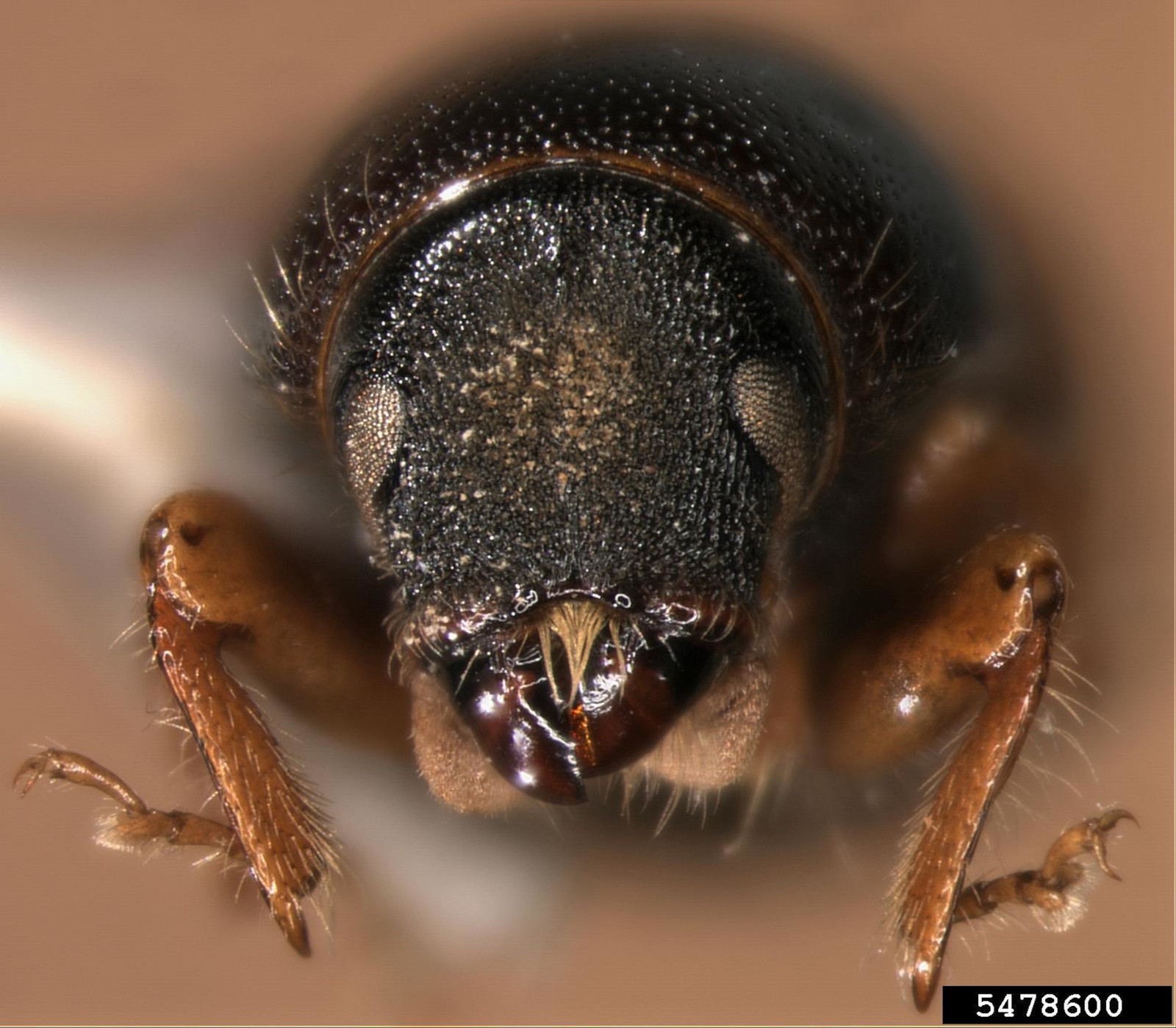
Fig. 2: Large elm bark beetle. Photo: Javier E. Mercado, Bugwood.org
In the last 20 years or so, the realisation has grown, gradually at first, and then rapidly, that European white elms are much less susceptible to Dutch elm disease than previously thought. This reappraisal is based on a large number of studies reporting high survival rates among European white elm and overall only a small number of losses at the most, even in areas with high incidences of Dutch elm disease (for Bavaria, for example, see Schiebelsberger 2007, Degenhardt 2016, Thein 2020). The infection trials carried out on young trees in the laboratory, and on which earlier assessments had been based, turn out to have led in this case to a false assessment.
The fact that the European white elm is considerably less susceptible to this disease than other native elm species is due to the fact that it is less likely to be infested by the main vectors of the disease, such as the large elm bark beetle. This is partly because of the different constituents of its bark and its bark structure, but also because of its resistance mechanisms. This species may not be completely immune to Dutch elm disease, but the disease is not a significant obstacle to its being planted.
Correct identification of an infection
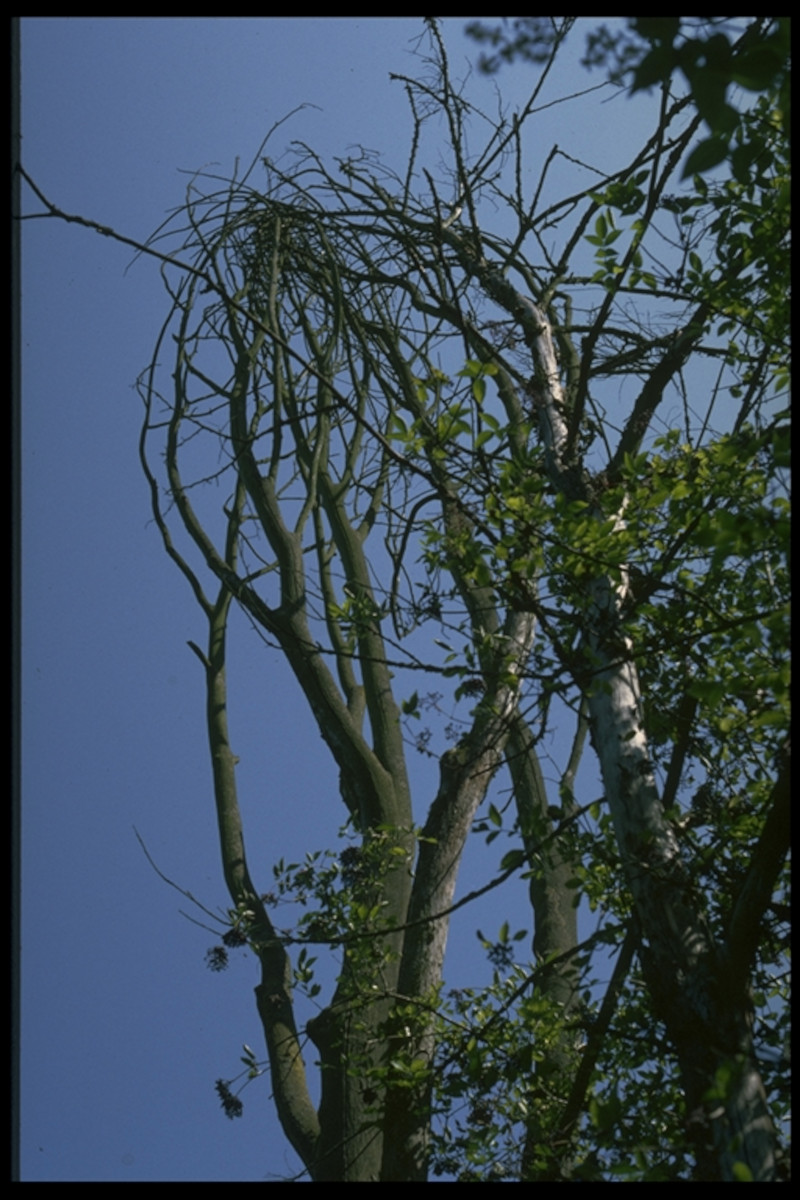
Fig. 3: Affected twigs turn down to form a typical “tepee”-shaped crown - here in a Scots elm killed by Dutch elm disease. Photo: Stefan Müller-Kroehling (LWF)
The disease is transmitted during the maturation feeding of newly hatched young beetles in branch axils in the outer, upper crown area, when the spores collected on the young beetles’ bodies as they emerged from the infested mother tree are transferred to the feeding site. The fungus penetrates further into the trunk from the point of infection via the vascular vessels. The infection first becomes apparent through the subsequent yellowing and wilting (of “flagging”) of the foliage of the infected branch or twig (Figure 4). At this stage, a tree that is checked in good time can still be saved by pruning.
The disease and, in the worst case, dying off process are triggered by the toxin ceratoulmin and other enzymes and toxins. There is also the counter-reaction of the tree, which tries to isolate the infection by plugging the vessels (so-called tylosis). If the tree is able to seal off the infection, it can recover; if not, it dies within one or two growing seasons. In the latter case, the tree dries out, resulting in a crown that is characteristically shaped like a tepee (Figure 3). This symptom, along with a black ring that appears in the cross-section of the wood (Figure 6) can be used to determine an infection with Dutch elm disease without recourse to laboratory methods.
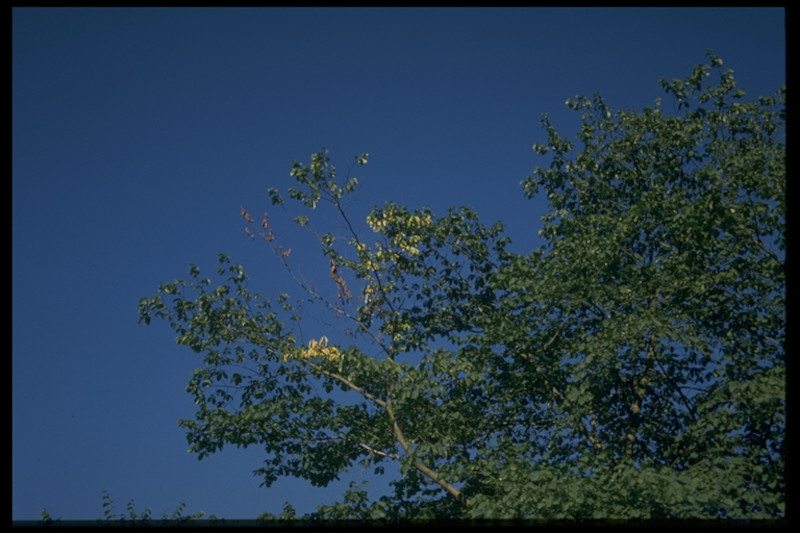
Fig. 4: The “flag” in the crown is a sign of a fresh infection - at this point the tree can still be pruned back to health. Photo: Stefan Müller-Kroehling (LWF)
Beware of identification errors!
Caution! The presence of elm bark beetle feeding galleries alone does not constitute proof that the tree is infected with Dutch elm disease. Elms can die for a variety of reasons (root damage, colonisation by Armillaria fungi, drought).
These trees can then simultaneously also be colonised by elm bark beetles, without Dutch elm disease necessarily being involved in the dying process. The statement that an elm tree has “died of Dutch elm disease” should therefore be treated with caution, i.e. only after a correct diagnosis has been made. Please note: Only with the “black ring” in the cross-section of the branch or trunk is it a case of Dutch elm disease.
A sparse crown per se is not necessarily an indication of disease or an infection with Dutch elm disease, either. We should not forget that after a strong mast year, the foliage on the branches that were previously covered with flowers and fruit is greatly reduced for the rest of the year. This is because elm species assimilate with their chlorophyll-containing fruits, which sprout very early in the year, and do not replace them with leaves during the course of the year after fruiting. This effect may give rise to the false impression of a thinning crown, as can occur in connection with some diseases of elms.
Another factor that can cause uncertainty is the identification of the elm species. European white elm has numerous easily recognisable characteristics which in combination make it very easy to identify: the leaves are never rough on the upper side and never trifoliate; leaf veins are mainly without forks, leaf “teeth” point forwards, buds are slender and “ringed” (striped), not monochromatic, never with cork ridges, tree often has buttress roots.
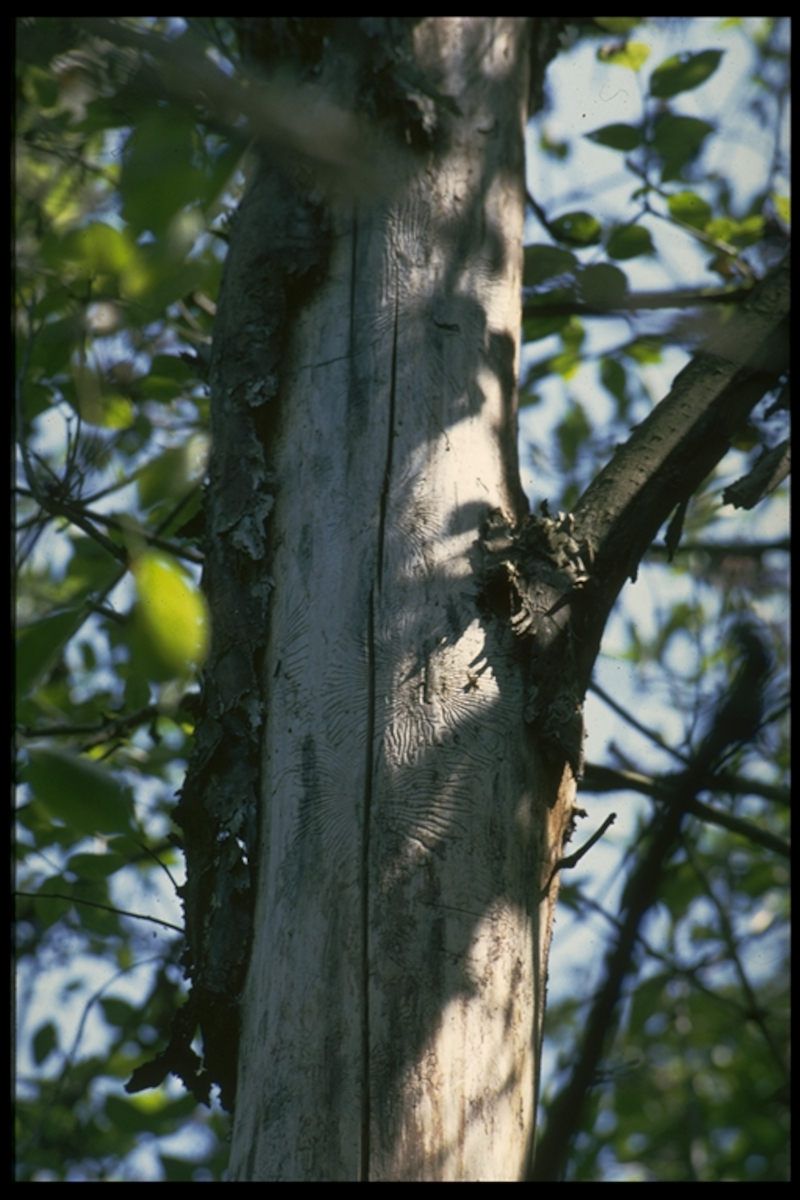
Fig. 5: Breeding galleries of the large elm splint beetle (Scolytus scolytus) on a Scots elm. Photo: Stefan Müller-Kroehling (LWF)
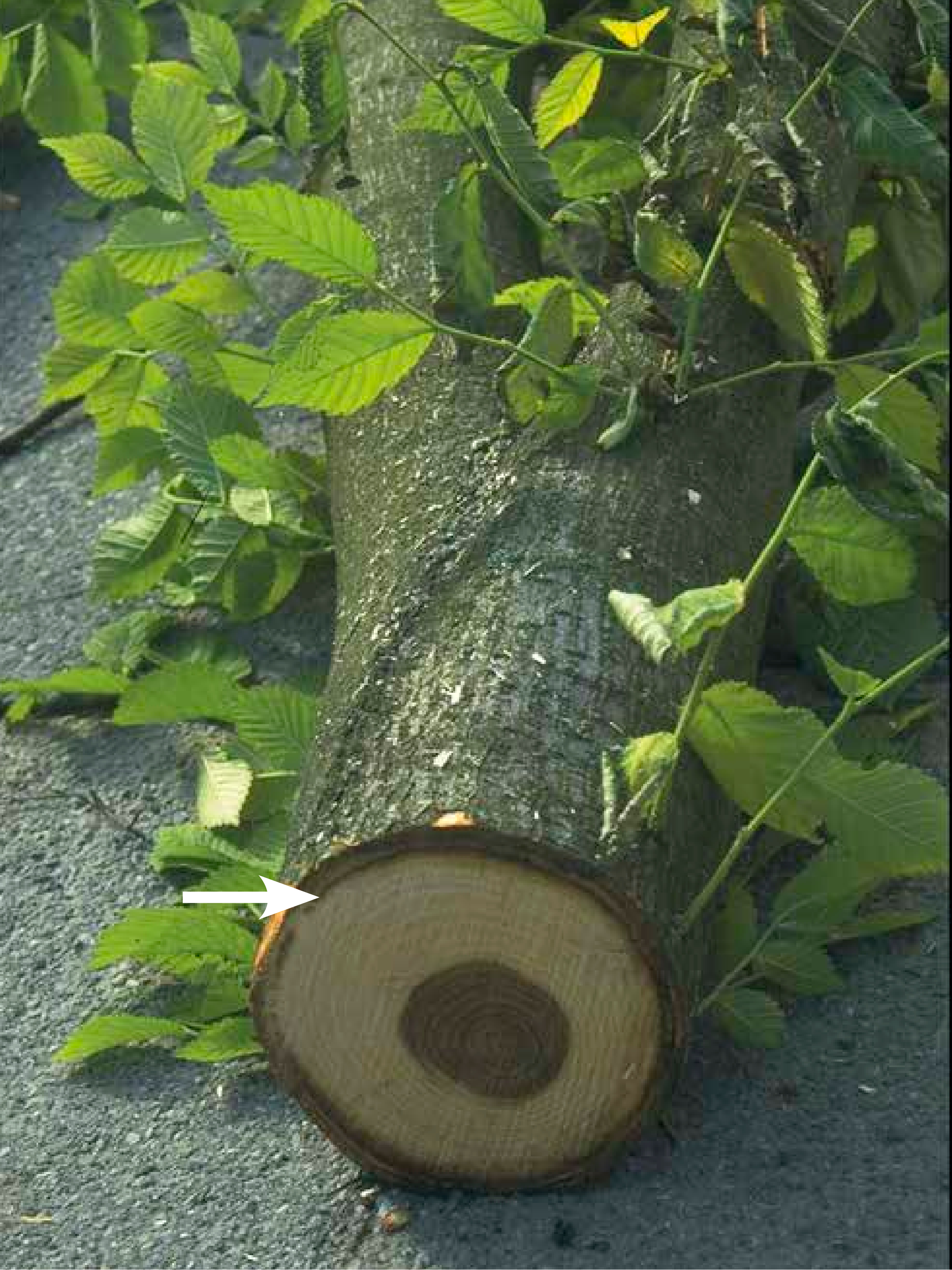
Fig. 6: Ring in the trunk cross-section as a sign of fungal infection (arrow). Photo: Stefan Müller-Kroehling (LWF)
Maintaining the health of elm populations
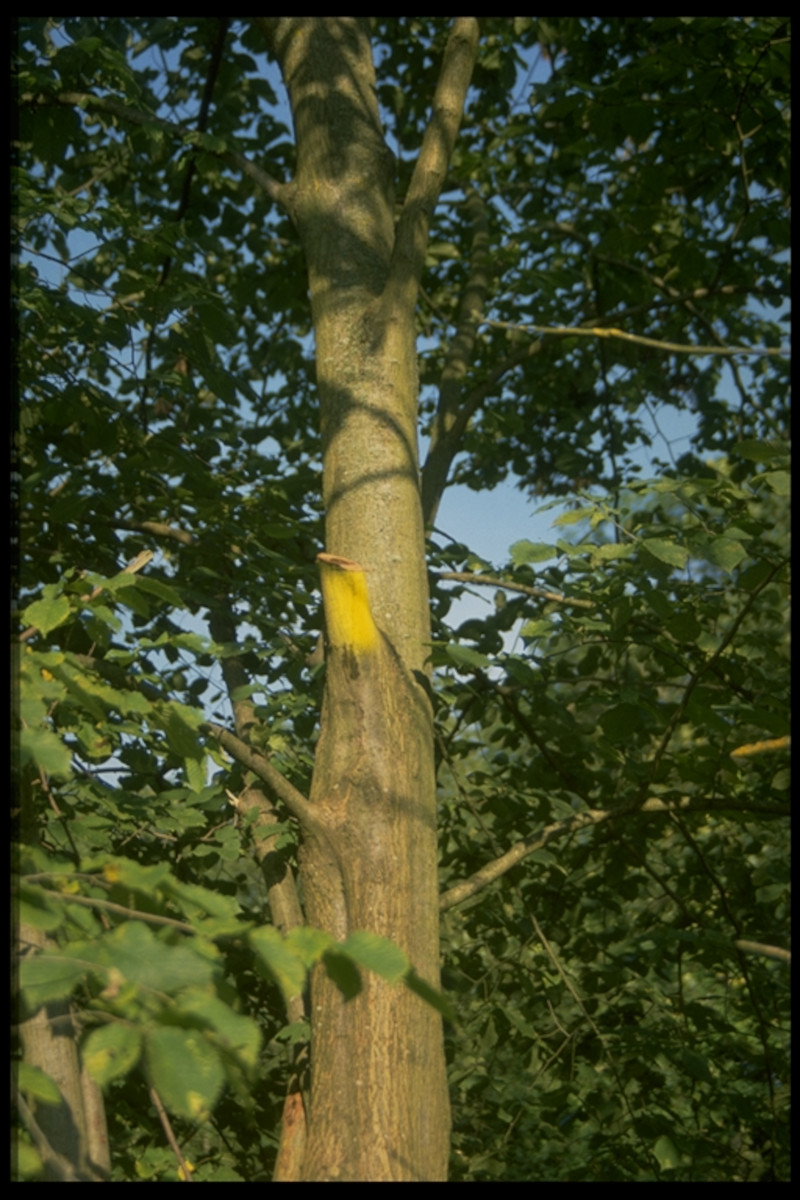
Fig. 7: Scots elm pruned back to health in the Ergoldinger Isarau (alluvial) forest. Photo: Stefan Müller-Kroehling (LWF)
The three native elm species are important components of our native woody flora, which is generally poor in terms of species diversity. Especially in times of climate change and ash dieback, we should include all three species in forest development on suitable sites. To maintain healthy elm populations, seven practical principles (see below) must be observed.
In order to be able to implement these measures efficiently, it is of course essential to identify the elm populations in the first place. Ideally, a map or a layer in the digital map series provides the basis for systematic monitoring and follow-up measures. “You can only protect what you know” – is a particularly relevant principle here, and in two different senses - we need knowledge of biology, and knowledge of the exact distribution of the species.
7 key principles for practitioners
- When planting, ensure the site is suitable: Elms are valuable deciduous tree species and generally quite demanding in terms of their nutrient supply, although the European white elm has by far the lowest requirements of the three native species. Even the European white elm is out of place however on very low-nutrient sites, such as raised bogs or dry sites.
- Of all the elm species, give preference to European white elm: Because of its low susceptibility to disease and Dutch elm disease in particular, the European white elm should be given preference, especially as it can thrive on very varied sites. It is even a suitable tree species for peaty soils. Only on dry sites is the European white elm no replacement for the field elm. However, all three species should continue to be considered in the future. The Scots elm in particular usually also regenerates well in the understorey of damaged ash stands and oak-hornbeam stands after thinning.
- Aim for mixed stands: All elm species are by nature suitable as components of mixed forests and should as a rule be included as no more than 30 % of a species mixture. Generally, it does not make sense to include more than one of the different elm species in species mixtures.
- Avoid dispersal corridors for Dutch elm disease: In recent decades, there have been repeated waves of Dutch elm disease, seen in the yellowed and then withered crowns of Scots and field elms along motorways, for example. The planting of these highly susceptible elm species in linear structures creates artificial corridors that can have a kind of “fuse” effect, promoting the spread of the disease. Elm planting measures along linear landscape elements - such as in riparian forests, for example - should therefore be carried out at selected points and in clusters. The individual elm clusters must however be several hundred metres apart. In the cases of the susceptible field elm and Scots elm, we even recommend distances of more than five hundred metres.
- Consistent and continuous tending: Consistent and above all continuous tending is a prerequisite for the preservation of the species mixture in the stand. It is also essential for the vitality and stabilisation of the stand and for the long-term preservation of mixed tree species like the three elm species, especially where the species mixture takes the form of small clusters of different species.
- It makes sense to check the elm stands twice a year: If significant losses are to be avoided, the elm population in the forest area should be checked in mid-May and again about a month later in mid-June for signs of fresh infection with Dutch elm disease, i.e. they should be checked for clearly visible “flagging” in the crown periphery. Known as “sanitation”, this is common practice in stands with a large number of elms in various countries, and has also been successfully applied in Bavaria. It is seen as more favourable from a business and economic point of view than dispensing with elms completely or consigning them to a supposedly inevitable “fate”. As technological advances continue, it will be possible to carry out inspections using drones in the future, and probably with great efficiency.
- Measures to be taken if Dutch elm disease occurs: Elm trees with symptoms of disease must first be checked on site for the presence of Dutch elm disease. If infection is proven, they should either be pruned back to health or removed. Dying Scots and field elms should be removed from the stands - or chipped if bark beetle stages are still present in the wood (all wood > 10 cm diameter to be chipped; “clean forest management”). The tools used must be disinfected with at least 70 % alcohol.
Outlook: promoting resistance
In some cases, plant breeding for resistance to the disease, using non-native elms as crossing partners, has been propagated as the most important or even the only viable solution for “conserving the elm” (e.g. Schwan et al. 2016, Pecori et al 2017). However, both the planting of such cultivars and the use of exotic species are not without problems. They are not a practical approach to dealing with elms in forestry.
Genetic diversity is one key to resistance or susceptibility to Dutch elm disease, as individual plants are able to produce antibodies or form defence substances or reaction tissue to varying degrees in order to defend themselves against pests.
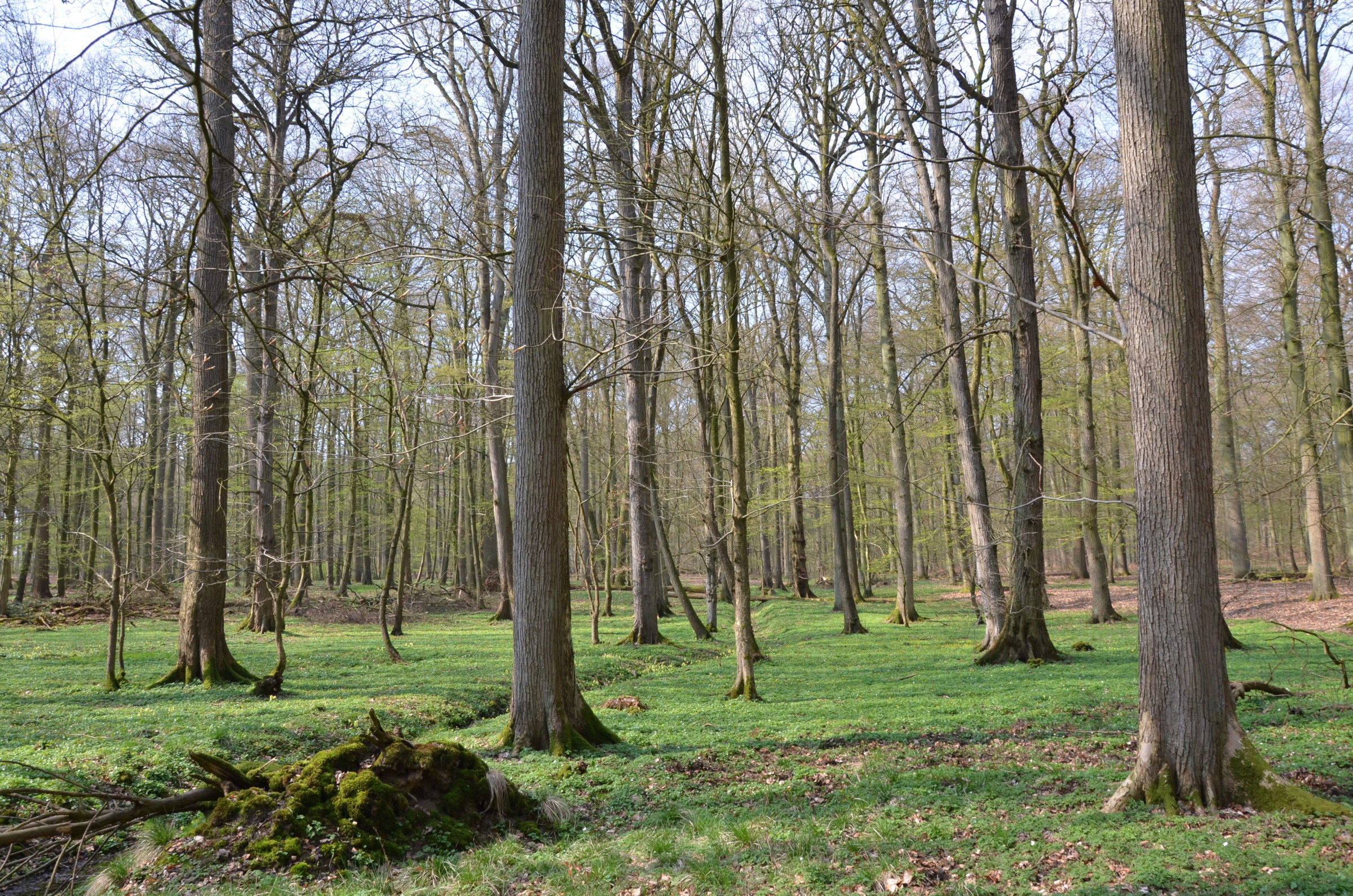
Fig. 8: Imposing European white elms dominate this stand. Photo: Gerd Janssen
Summary
The European white elm can be planted at low risk, as a tree species with many possible uses. It has proven to be very resistant not only to current climatic developments, but also to Dutch elm disease. Dutch elm disease can generally be kept under control without unreasonable effort, by checking the elm population twice a year. This means that Scots elm and field elm can thus also be included in the growing stock in mixed forest stands.
![[Translate to English:]](/assets/_processed_/8/9/csm_brettwurzeln_flatterulme_af1847ba6e.webp "[Translate to English:]")