



Modern forest pasture is a suitable method for keeping sparse forests open. At the same time, however, it promotes neophytes, some of which have invasive potential. There is therefore a risk that livestock in the forest may come into contact with poisonous neophytes, either through ingestion or through skin contact. The effects of most neophytes known to be invasive in central Europe are known. However, there is little experience with neophytes that have only recently started to spread in the forest - in the forest stands affected, there has generally not been any controlled grazing up to now.
The problem
Under stress-free, free-ranging outdoor conditions, grazing livestock normally only eat plants that are familiar to them, which they can differentiate from others, and that do not harm them. However, in cases of overgrazing, overcrowding, sparse vegetation, or when the animals are inexperienced, bored or under stress, they may also consume poisonous plants, either wholly or in part. An unbalanced diet in barren forest pasture landscapes increases the risk of poisoning. A sophisticated forest pasture management system must therefore prevent malnutrition and poisoning. Even with average site conditions, non-poisonous or only slightly poisonous plants can become toxic to animals under extreme conditions such as prolonged drought, heat or frost. Only if a plant species is threatening to take over and having adverse effects on forest conservation objectives and animal welfare should appropriate control measures be considered.
“Before animals are allowed to graze in a forest pasture, the potential toxic effects of the plants in the pasture should be known.”
Mattias Rupp
Information is provided below on the toxicity of two neophytes that are spreading in the Upper Rhine region as examples: the American pokeweed (Phytolacca americana) and the black cherry (Prunus serotina). The assessment is based primarily on literature from the North American regions of origin of the two plant species.
Even if a plant is classified as poisonous, in some cases other parameters may be required in addition to the toxic substance for the plant to have a toxic effect. The decisive factors are the biochemistry of the toxin, the amount of toxin consumed and the period of time over which it is consumed, the parts of the plant consumed, and the general condition and degree of maturity of the plant, as well as the environmental conditions and the availability of non-toxic food (dilution). The vitality of the animal and its species, breed, age, sex and physiological condition (stress, pregnancy, lactation) also play a role. This must be taken into account when livestock are confronted with the relevant plants.
American pokeweed
The American pokeweed was introduced from North America to Portugal, Spain and Italy in the early 17th century as a colouring agent for red wine, and to France, England and Germany as an ornamental plant in gardens. It has since become naturalised in some warmer areas. It is spreading rapidly in the Schwetzinger Hardt forest area near Heidelberg, among other places. It is an undemanding, perennial herbaceous plant that sprouts anew each year from a beet-shaped taproot. It grows up to three metres tall, and can live for more than 40 years. The seeds are mainly spread by birds; vegetative propagation is not known. The seeds remain viable in the soil for at least 40 years without losing their capacity to germinate. After germination, P. americana can build up enormous biomass in a short time. Over several years, dense pure stands thus develop. The resulting competition for light, water and nutrients leads to displacement of native flora (Fig. 1). There are indications of P. americana releasing phenol, inhibiting the growth of other plants (allelopathy).
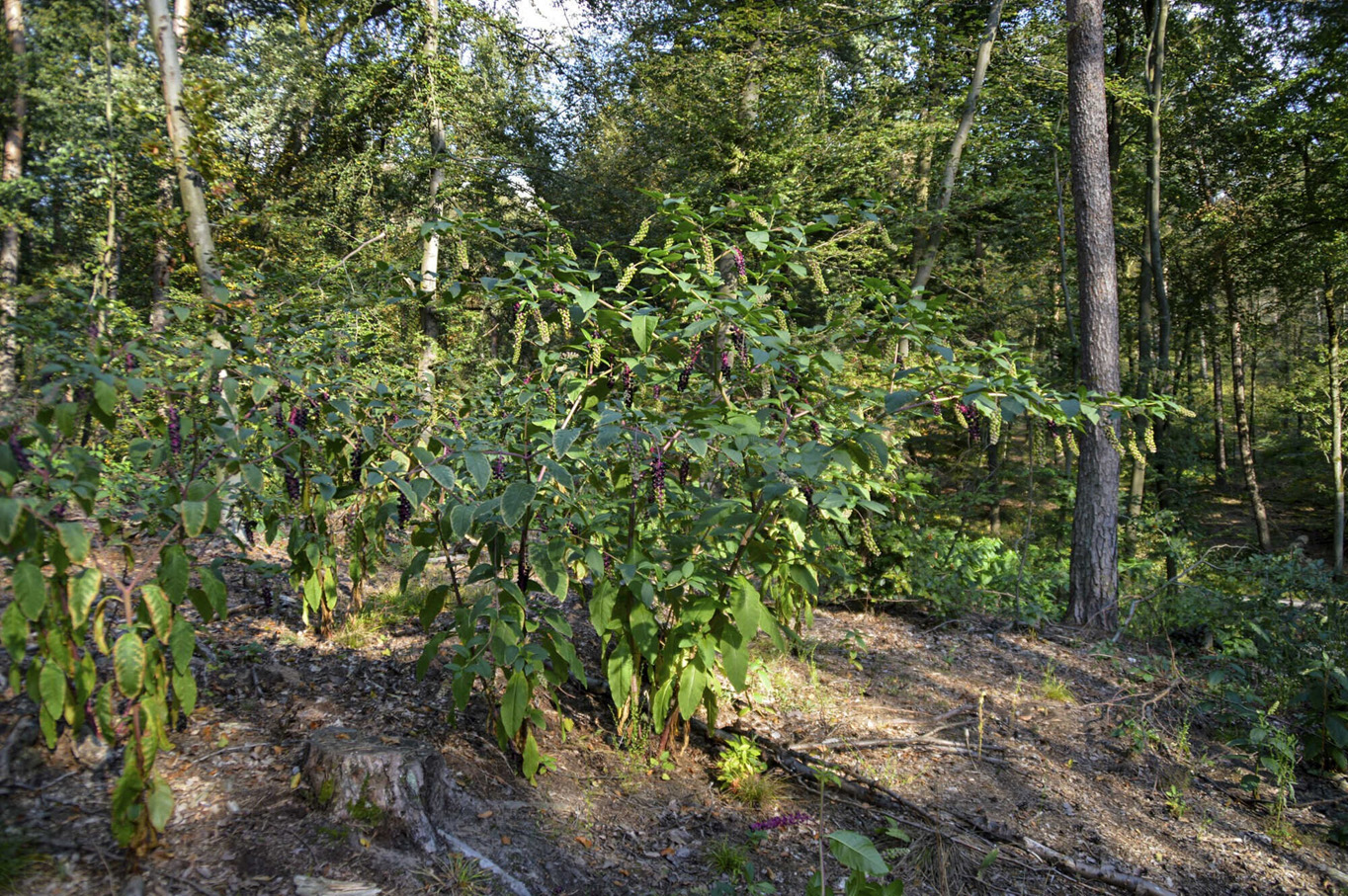
Fig. 1. Mature American pokeweed in the Schwetzinger Hardt forest area. Photo: M. Rupp
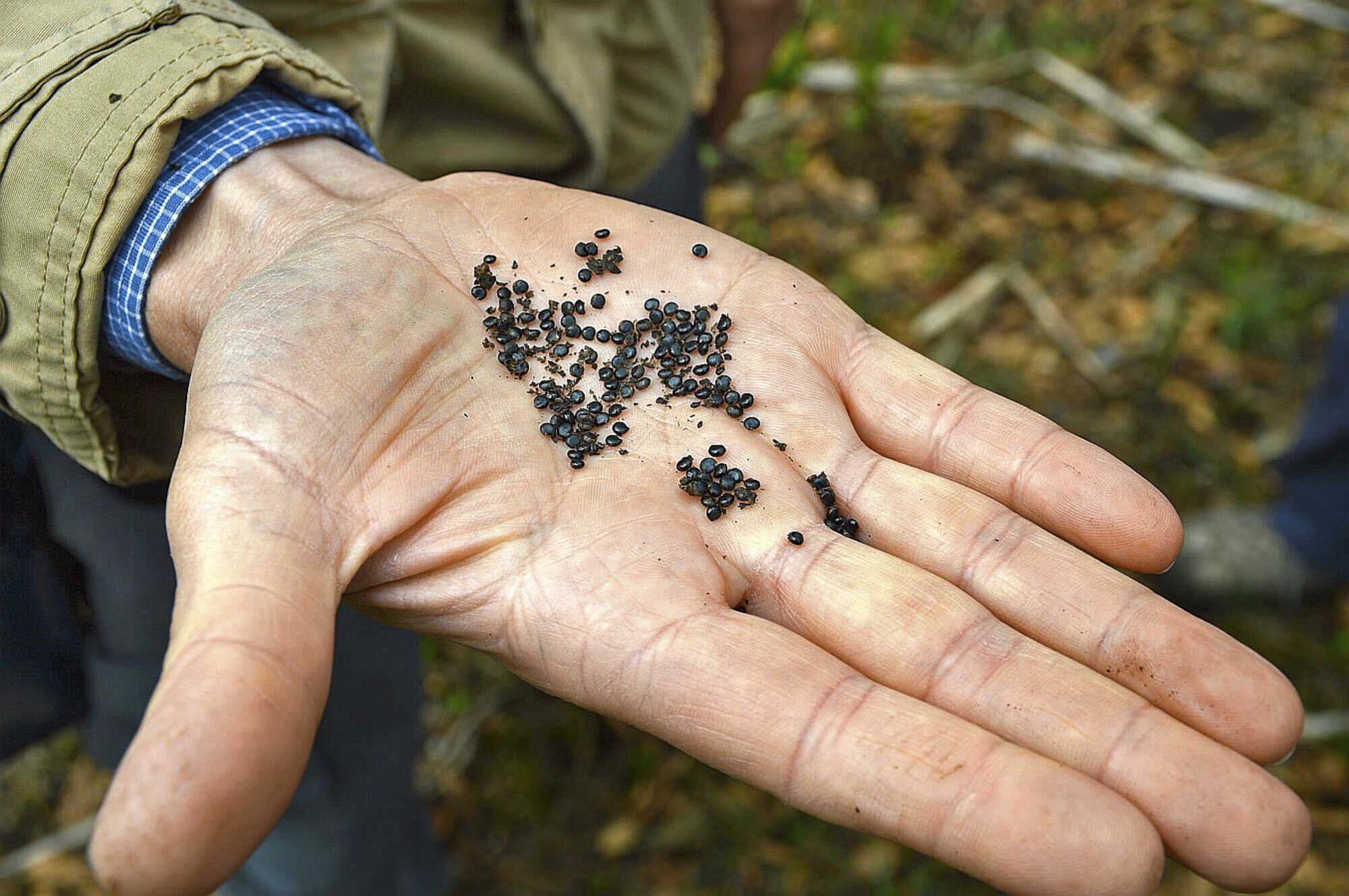
Fig. 2. Seeds of the pokeweed. Photo: M. Rupp
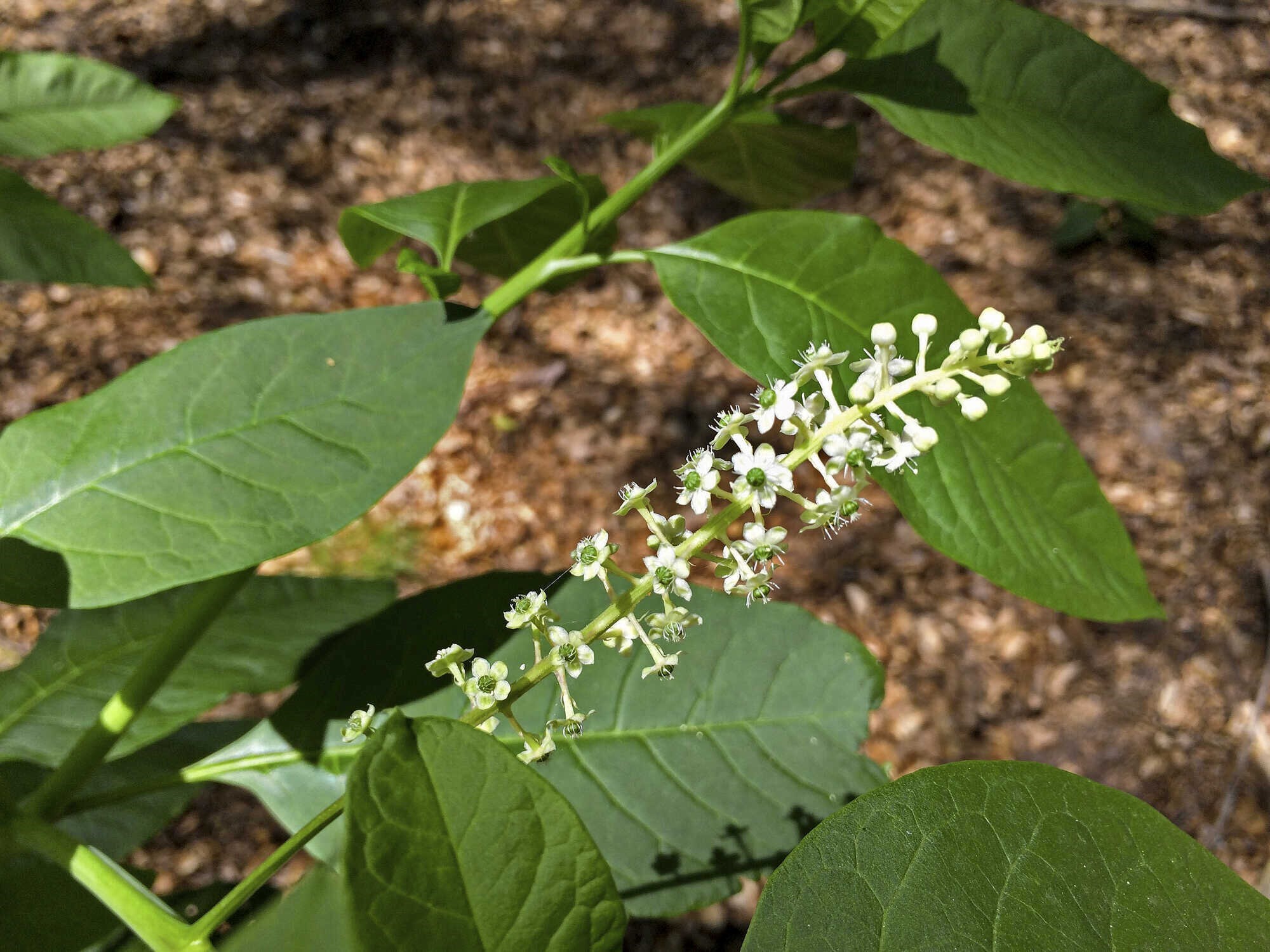
Fig. 3. Inflorescence of the pokeweed. Photo: M. Rupp
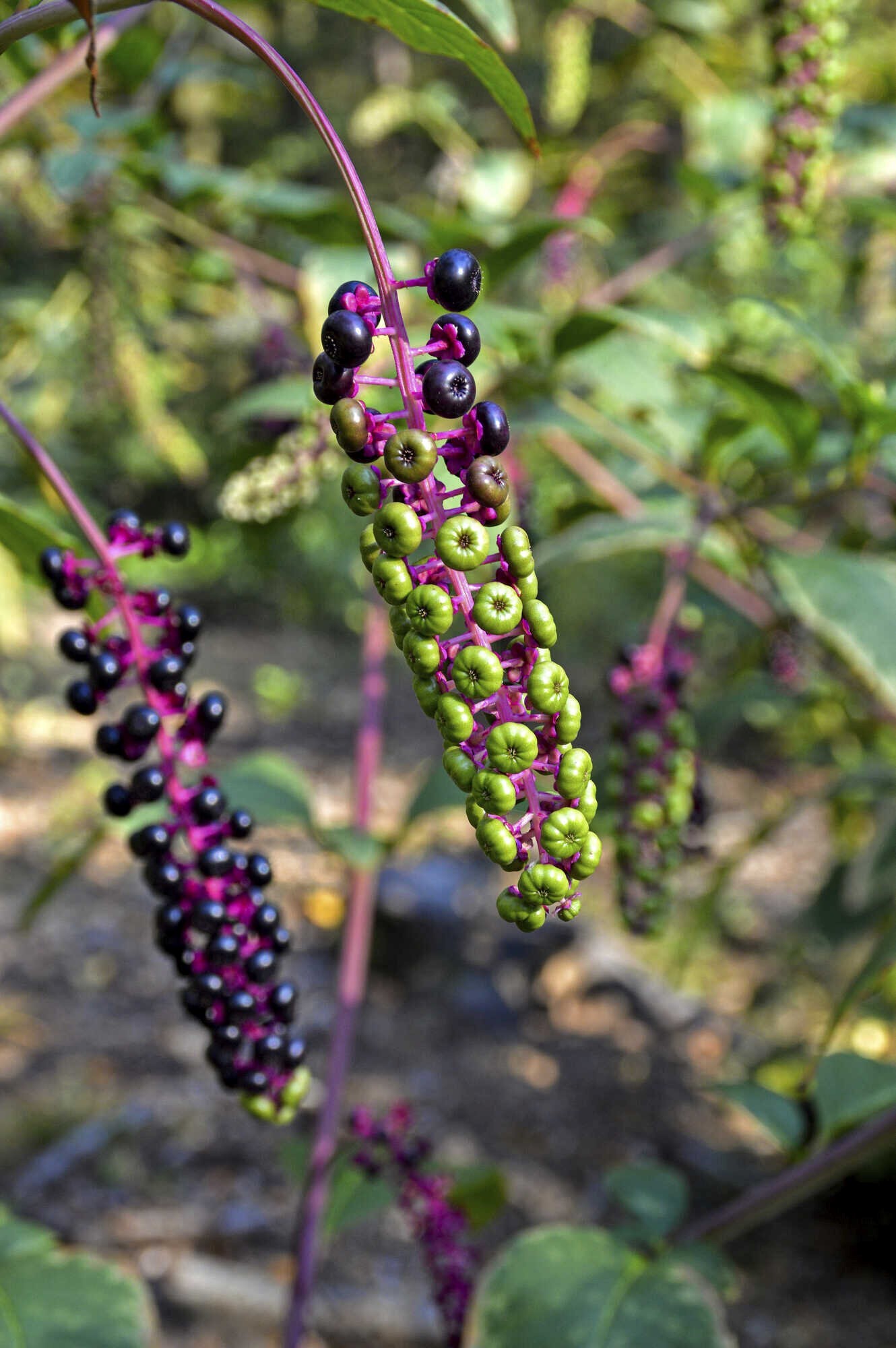
Fig. 4. Fruiting head of the pokeweed. Photo: M. Rupp
Toxicity
All parts of the American pokeweed plant are poisonous. The roots and seeds contain the highest concentration of toxins. Birds that swallow the seeds whole when eating ripe berries do not show any signs of poisoning. However, if birds (poultry) eat green parts of the plant, they can also be poisoned. Caution is advised when young plants are consumed by grazing animals and when young plants are collected as wild vegetables for human consumption in spring. The toxicity also increases with the age of the plant. Consumption is not recommended, although there are recipes that involve a laborious process to remove the toxins using hot water.
Symptoms in grazing animals
Diagnosing the poisoning of an animal is difficult, as there are no explicit detection tests for poisoning with pokeweed. The sum of the symptoms must thus be evaluated and considered in the context of the relevant grazing area. Cattle and sheep are the animals most susceptible to poisoning by P. americana. Horses, goats, pigs and poultry are however also at risk. The toxicity is particularly noticeable in late spring and early summer during dry, hot periods. If there are sufficient alternative food sources, grazing animals usually avoid the plant because of its bitter taste. Only in exceptional cases or when there is a lack of other food is it consumed in larger quantities. Especially in spring when the plants are emerging, grazing animals will eat the young, fresh, juicy leaves and shoots. Where the grass is short, the plant may even be eaten down to the beginning of the root. Young seedlings do not seem to be harmful to grazing animals when consumed occasionally, but the leaves become increasingly toxic as the plant ages. Symptoms arising as a result of repeated consumption of poisonous parts of the plant include gastrointestinal cramps, retching, vomiting, and (bloody) diarrhoea. In cases of severe poisoning, anaemia develops, the heart and respiration are severely affected, and the animal may die. In non-lethally poisoned cattle, a drop in milk production has been observed. The long term effects of a survived case of poisoning may be carcinogenic. Birth defects have also been reported.
Treatment
In general, livestock poisoning in the forest must be prevented through good pasture and feed management. Livestock with symptoms of poisoning must be removed immediately from areas where pokeweed is present. Veterinarians should administer gastrointestinal protectants and sedatives as treatment. In acute cases, a restorative diet should be provided; intravenous preparations and restorative agents are also recommended. Recovery from non-lethal poisoning takes approx. 24 to 48 hours (also in humans).
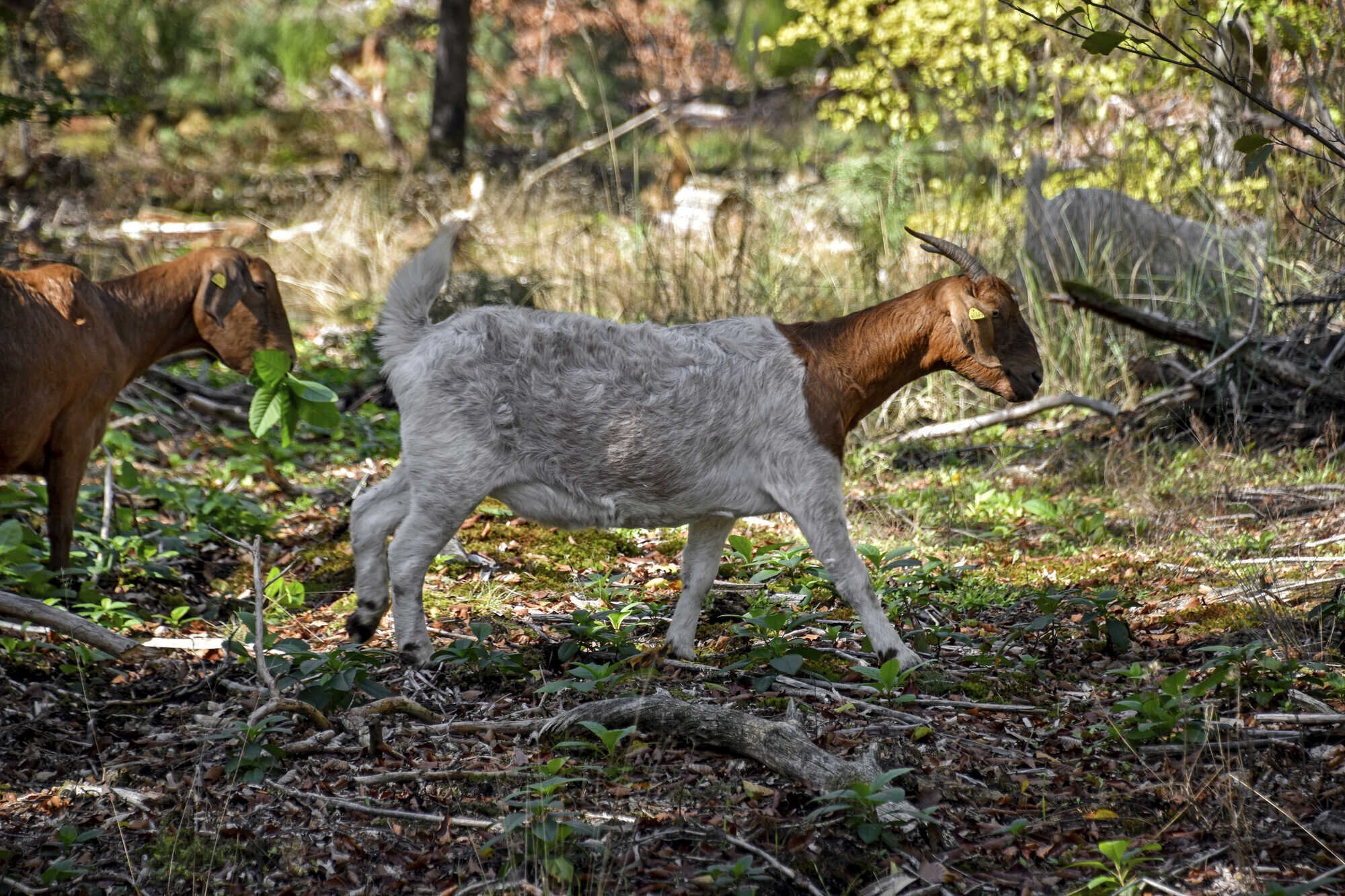
Fig. 5. Boer goats eating American pokeweed seedlings. Grazing behaviour and the availability of alternative foods should be monitored and managed. Photo: M. Rupp
Symptoms in humans
During control measures using brush cutters to combat dense occurrences of American pokeweed in the Schwetzinger Hardt forest area, plant juices were released into the air in finely atomised form. The plant juices enter the body through skin contact and inhalation, especially on hot days. P. americana can then cause breathing difficulties, itchy skin and dizziness. Forest workers and livestock owners involved in forest pasture projects are therefore advised to avoid skin contact. It is generally recommended that gloves and long-sleeved clothing are worn during control measures, and a mask when mowing. Although the fresh seedlings are sometimes cooked and eaten like spinach in the southern states of the USA, this leads again and again to incidences of poisoning, and consumption of the fruit or parts of the plant can be fatal. The poison acts via the nerve pathways. The first signs of poisoning (see Symptoms) become apparent after two or more hours. Depending on the degree of poisoning, symptoms include salivation, breathing difficulties, respiratory arrest and other narcotic effects. Itching all over the body, dizziness, impaired vision, cold skin and a weak pulse are also observed. Circulatory arrest may be followed by death from respiratory paralysis.
Conclusions on American pokeweed
Livestock should not be used to suppress P. americana. Allowing animals to graze on young plants can be considered, but with caution: only if there are only a few young plants and sufficient alternative forage is available at the same time. This may be the case when the pokeweed has only recently colonised a pasture, or after an intensive manual intervention measure to control it, ideally involving removal of the taproot. It is therefore important to take immediate action against this neophyte as soon as it is noticed in the area. As hot, dry periods are occurring more and more frequently in summer, and the toxicity of the plants increases as a result, the grazing system and manual control measures must be adapted accordingly. A (very) early start to grazing in mid/late March is recommended. This should be followed by a break in grazing in summer, during which time manual control measures can be carried out. Another period of grazing can take place in autumn.
In grazing projects, the spread of native vegetation should also be encouraged, as this creates desirable competition for the pokeweed and serves as an alternative source of forage. Forest pasture projects should therefore be linked to open land and edge structures; sowing with autochthonous seeds is also a possibility.
Black cherry
The first evidence of black cherry in Europe is documented in descriptions of French gardens dating from the early 17th century, and in Germany in the late 18th century. This fast-growing tree species can live for up to 200 years in its native range, reaching heights of up to 38 metres and diameters of over one metre. In its youth, P. serotina is very shade-tolerant, but requires direct sunlight for optimum growth. It then grows vigorously, more quickly than other vegetation. While P. serotina provides a sought-after timber in America, the European descendants of unknown provenances introduced in earlier times are mostly slow-growing or shrub-like (Fig. 6). Propagation occurs both generatively (spread by birds) and vegetatively (stump shoots, root suckers). In Germany, the black cherry is considered to be an invasive species.
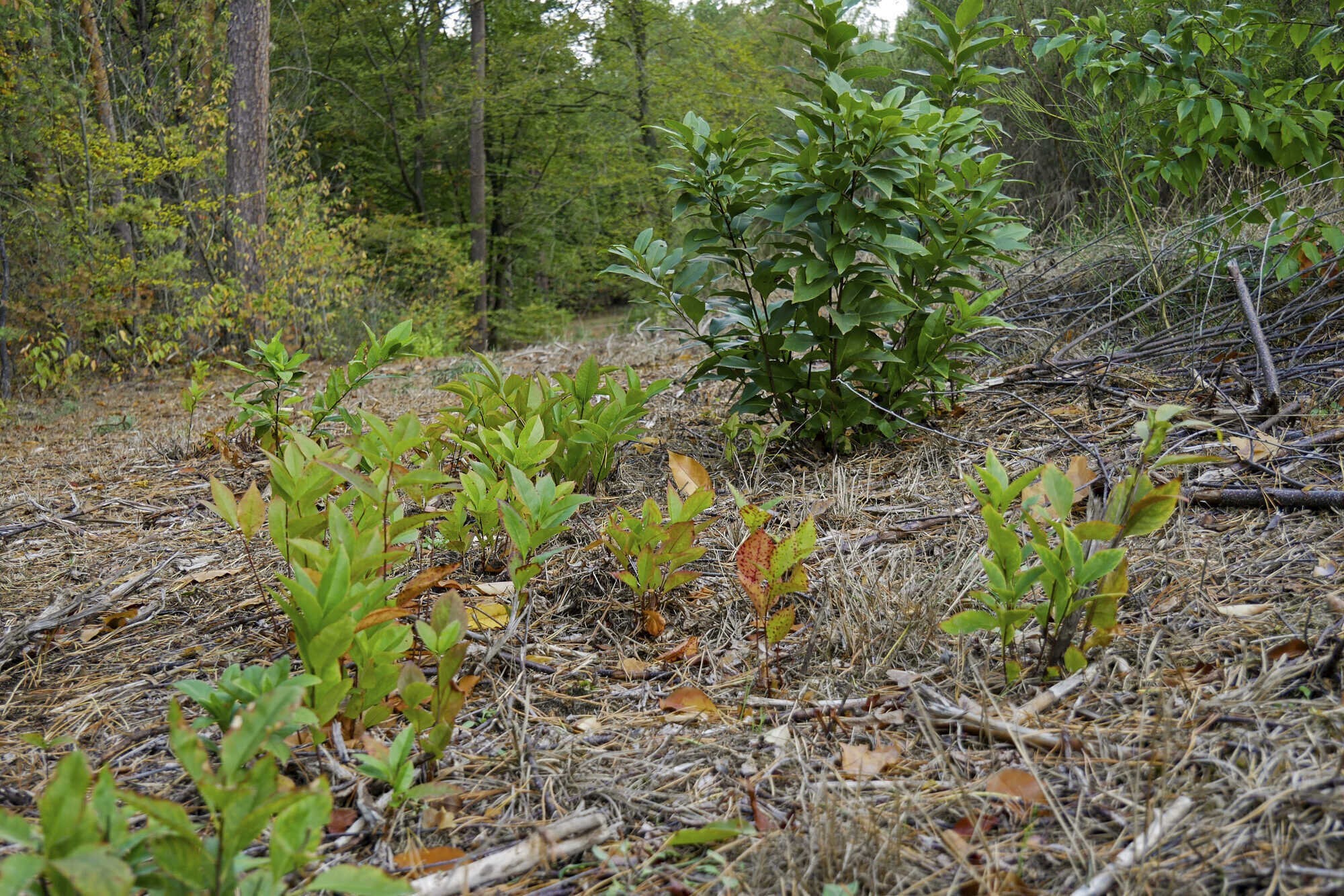
Fig. 6: Regeneration from seeds in front of stump shoots of Prunus serotina. Photo: M. Rupp
Toxicity
As with the native wild cherry Prunus avium (also known as bird cherry), the leaves, twigs, bark and stones of the fruit of P. serotina are poisonous. However, the black cherry differs in that it is an invasive species, and in its growth form - which is mostly shrub-like in Germany. This makes it more accessible for grazing animals than the wild cherry, which usually grows as a tree. It therefore poses a potentially greater danger. The greatest concentration of poison is to be found in the seeds and leaves of young plants during spring sprouting. Most animals can however consume small amounts of it later in the summer without harm, especially if other non-toxic plants are also available as an alternative food source. Under certain circumstances, the black cherry produces hydrogen cyanide, also known as prussic acid, especially when green, vital plant tissue has been damaged. This can for example be caused by frost, mechanical damage (the chewing, crushing, wilting and trampling of fallen leaves, but not by browsing from the standing shrub), or by the breaking of branches and tearing off of leaves during storms. Once the wilted leaves are brown and dry, the hydrogen cyanide potential is reduced. Leaves from younger plants contain more hydrogen cyanide than leaves from older plants. The water content of the leaves can influence the hydrogen cyanide potential, especially if a rainy period is immediately followed by a dry period. Ruminants are particularly susceptible to hydrogen cyanide poisoning. Hydrogen cyanide blocks cell respiration, which can lead to respiratory distress and ultimately to death. If the plant parts are ingested without being mixed with other forage (grasses, herbs), poisoning occurs. For a cow with a body weight of 400 kg, consuming just 500 to 2,000 g of black cherry leaves can be fatal, while for a sheep, 200 g is sufficient. Hydrogen cyanide poisoning does not have a cumulative effect; instead, critical limit values must be exceeded for it to take effect. This means that a grazing animal can ingest toxic plant matter several times over the course of a day without showing symptoms, provided each individual dose contains only a small amount of the active ingredient - even if the total amount of toxin ingested is then several times higher than the threshold value for a single lethal dose.
Symptoms in grazing animals
Although hydrogen cyanide does not initially have a cumulative effect when grazing animals consume wilted black cherry leaves, it becomes critical if the animal does not have enough time to neutralise the ingested acid in its rumen. The duration and sequence of symptoms can be 10 to 15 minutes with a high dose of hydrogen cyanide and 45 to 60 minutes with a low dose. Symptoms include anxiety, fainting spells, rapid, laboured breathing, or cramps. In addition there there may be uncontrolled urination and defecation, dilated pupils, flatulence and the complete collapse of the animals. The affected grazing animals may lash out in an uncoordinated manner and show symptoms similar to those of epilepsy. Poisoned animals die within a few hours of ingesting the plant material, primarily due to respiratory problems. If the poisoned animal does not die in the first one to three hours, there is a good chance of recovery. In horses, it is suspected that continuous low-dose contamination with toxic plant parts (all of them) can lead to the loss of embryos and young foals (MRLS = Mare Reproductive Loss Syndrome).
Treatment
The poisoning of livestock can be prevented by good pasture and feed management to lower the stomach pH value, which plays an important role in hydrogen cyanide poisoning. This includes the provision of sulphurous licks and salts as well as strict supplementary feeding during risk periods, in consultation with the vet. In addition, after frost or events involving damage to plants (e.g. hail), there should be a minimum break of at least four days from grazing in the forest, or even 14 days after severe frost or forestry work. The aim of treatment is to restore cellular respiration. In acute cases of poisoning, grazing animals should be shielded from any form of additional stress so as not to increase their respiration unnecessarily. Affected animals are extremely stressed and it can be dangerous to work with them. Immediate intravenous administration of sodium nitrate or sodium thiosulphate is recommended. In addition, glucose or glyceraldehyde can be administered orally in the form of various syrups.
Symptoms in humans
Humans can generally consume the flesh of P. serotina fruit without risk. However, if the stones are crushed, hydrogen cyanide is released and consumption becomes dangerous, as is the case with the native wild cherry. The consumption of leaves is also harmful to health. If humans are poisoned, their mucous membranes and blood turn pale red. In addition to neurological symptoms and respiratory disorders, pain in the upper abdomen and vomiting are observed. This is accompanied by increased salivation and sweating, trembling, headaches and fainting.
Conclusions on the black cherry
Livestock can be used to suppress the black cherry if there is a sufficient and varied supply of forage on the pasture. As P. serotina can potentially cause hydrogen cyanide poisoning, grazing must be closely monitored and managed accordingly. Stump sprouts and young plants produce the highest concentrations of hydrogen cyanide. In this respect, grazing is only advisable after spring budding. If whole trees, branches or crushed foliage of black cherry are lying in the grazing area as a result of forestry work, landscape maintenance, or storms or hail, the plant material must be removed.
If this is not possible, grazing should be suspended for up to 14 days. If green fallen leaves or branches and twigs from pruning measures are trampled on, this may have a strong toxic effect. Consumption must then be prevented. If a rainy period is followed by a prolonged dry spell, the risk from hydrogen cyanide increases.
So if dry periods occur more frequently in summer, pasture management should be adapted accordingly. The animals should be removed from the pasture or kept healthy with supplementary feeding.
Outlook
Forest pasture projects are an interesting form of land management and important for forest nature conservation. They do however require thorough planning to determine where and with whom they are to be implemented. Livestock cannot just be introduced on forest areas without the appropriate preliminary assessment.
The size of the area (at least three hectares), topography, vegetation, tree population and much more must be considered and weighed up in advance in the interests of animal welfare. Poisonous plants are not an exclusion criterion for a successful grazing project. However, the management of the pasture may need to be adapted to meet this challenge, possibly also with the involvement of veterinarians. To this end, detailed information on the respective poisonous plant species and the prevailing environmental conditions must be obtained in advance. A close eye must be kept on the quantity of the toxin consumed and when it is consumed. It is essential that sufficient quantities of non-poisonous forage are available for dilution. In the event of increased occurrence of poisonous plants, only an “empty” herd (non-pregnant animals) of older and more experienced animals should be put on the pasture. Lactating animals should not be among them. Working with responsible, reliable livestock farmers and in compliance with the applicable legal framework, there are excellent opportunities to use “the old ways” to keep forests light and open, with the aim of (re-)increasing biodiversity in the forest.
The bottom line
- The toxicity of neophytes is dependent on many different biotic and abiotic conditions.
- In the case of newly established neophytes, the extent to which they may be toxic for grazing animals is often unknown.
- Scientific evidence from their original distribution range can be used to assess the toxicity of a plant.
- In the interests of animal welfare, the potential impact of a plant on the animals in forest pastures should be known before they are put out to pasture.
