



More than a quarter of a century ago, Scherzinger (1996) outlined the key “primeval forest characteristics” with astonishing clarity: After the integrity of the forest soil, he names the presence of deadwood as the second most important criterion for nature conservation. He quotes Franklin (1992), who emphasises that “on natural open spaces, vast quantities of stumps, snags, lying trunks and young plants remain, which, as a biological legacy, save a sufficient proportion of the biologically and ecologically effective substance from the former forest stand and transfer it into the subsequent stand. This ensures that the reorganisation of the new forest takes place much more quickly.” Many studies have been carried out on this topic since then (Lachat et al. 2013; Lettenmayer et al. 2022; Pietsch et al. 2023; Seibold et al. 2018; Zahner 1999), all of which corroborate the importance of deadwood for the biodiversity in forests. Through decomposition, deadwood provides calcium and magnesium and stores water. It can also increase the pH value in the topsoil under the deadwood by up to one pH level, which is something that especially snails (molluscs) in the acidic soils of beech forests benefit from. For many species including amphibians and ground beetles, deadwood also serves as a daytime refuge and hibernation site.
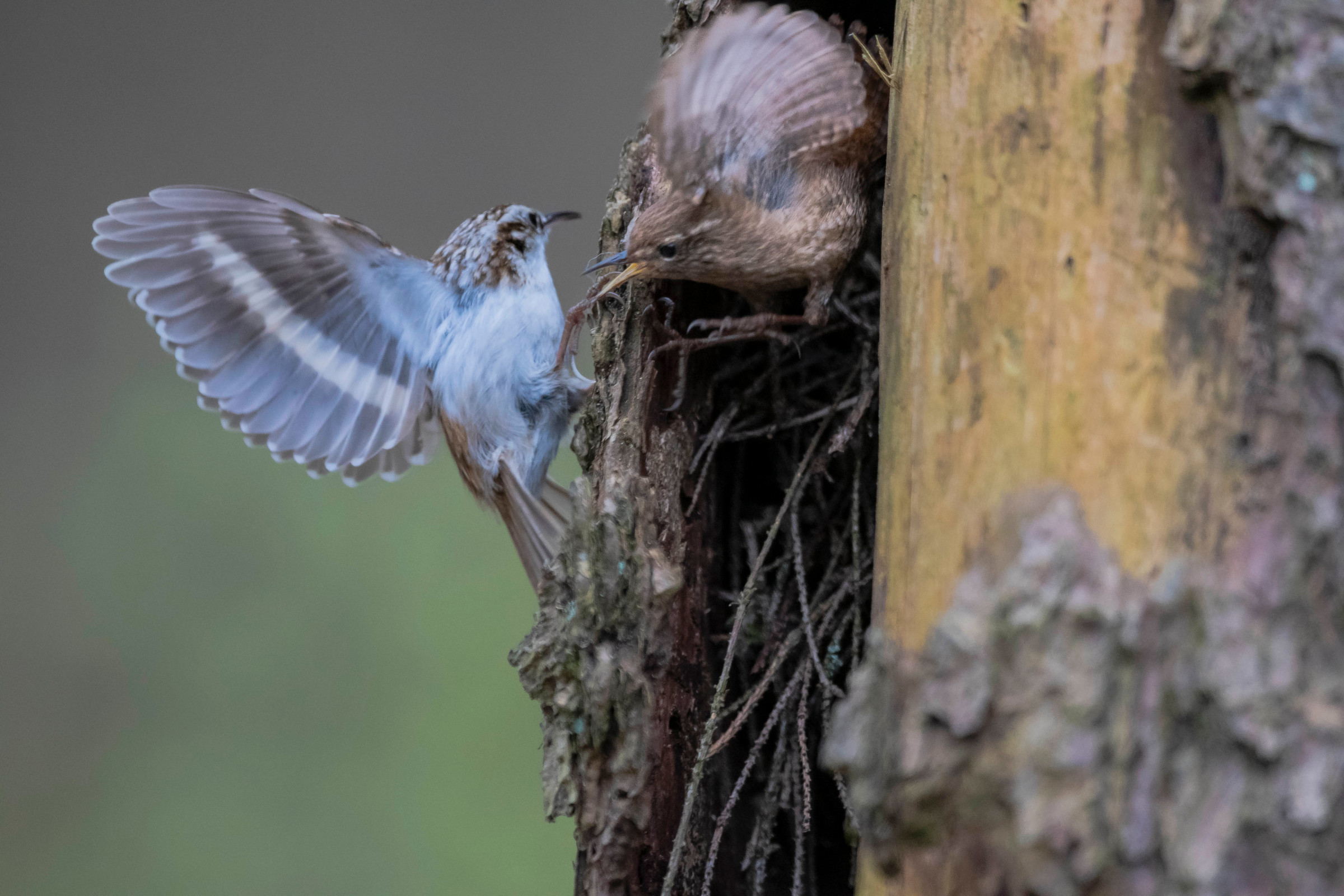
Fig. 1: A short-toed treecreeper (Certhia brachydactyla) and a wren (Troglodytes troglodytes) fight over a potential nesting site in a pocket of bark on a high stump. Photo: Norbert Wimmer, LWF
Recent studies also show that deadwood is not only good for species conservation, but also contributes to other important functions, such as water retention, or the preservation of nutrient cycles in the forest ecosystem.
The analysis of high stumps revealed a substantial basic population of pest antagonists (opponents of harmful organisms) in the deadwood - something that can help to mitigate against calamities. Zahner et al. (2020) draw the following conclusion from this: “High stumps therefore also contribute to the resilience of commercially managed forests”. Deadwood in the forest is thus not just nature conservation in practice. It is also an important element helping to improve the conditions for silvicultural measures and more resilient forests. Adelmann et al. (2020) have summarised these aspects succinctly in the slogan “Promote what is there - allow what emerges - create what is missing!”. The key is to create and preserve deadwood in all phases of a stand’s life.
Fig. 2: Several arguments speak for the creation of this high stump - not least the already rotten base of the trunk. Photo: Norbert Wimmer (LWF)
Ways of enhancing the deadwood supply
The promotion and preservation of different structures in the forest is widely accepted and practised in Bavarian forestry, as evidenced by the constantly increasing level of funding and the broad interest shown in the Bavarian programme “Contractual Nature Conservation in the Forest” (VNP Wald).
Promoting habitat trees as future deadwood means integrating them in the stands in their highly diverse forms and, depending on their ecological importance, even protecting them by removing competitors. The older and thicker a habitat tree is, the more structures (cracks, pockets in the bark or cavities) it is likely to offer. The ecological value of a tree increases with its age, its dimensions and its structures. With increasing age, the proportion of deadwood on a living tree also increases. If living habitat trees are windthrown, or parts of them break off, these parts become deadwood by definition. Habitat trees are thus an important source of deadwood. The transition from habitat tree to deadwood is therefore fluid.
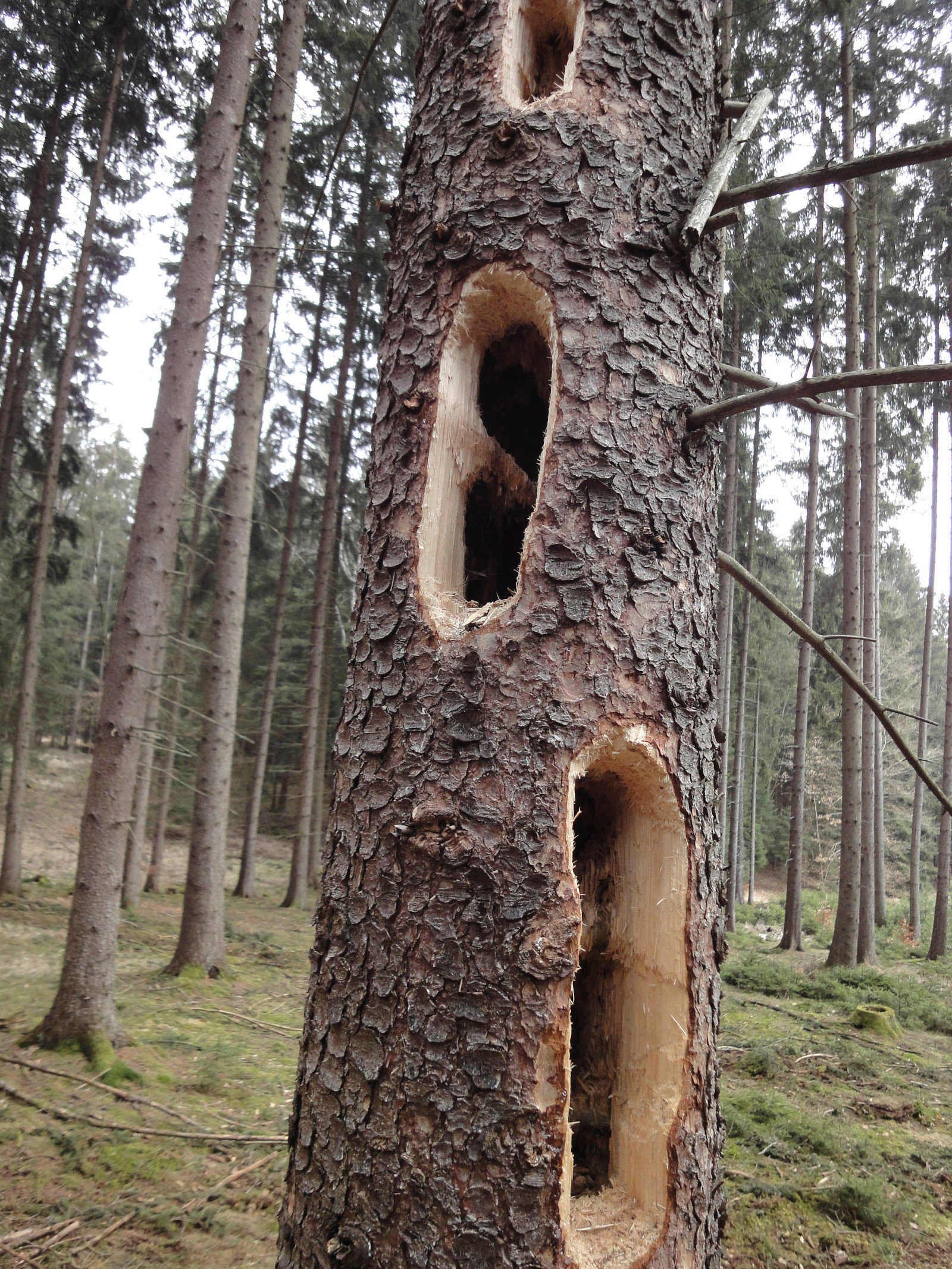
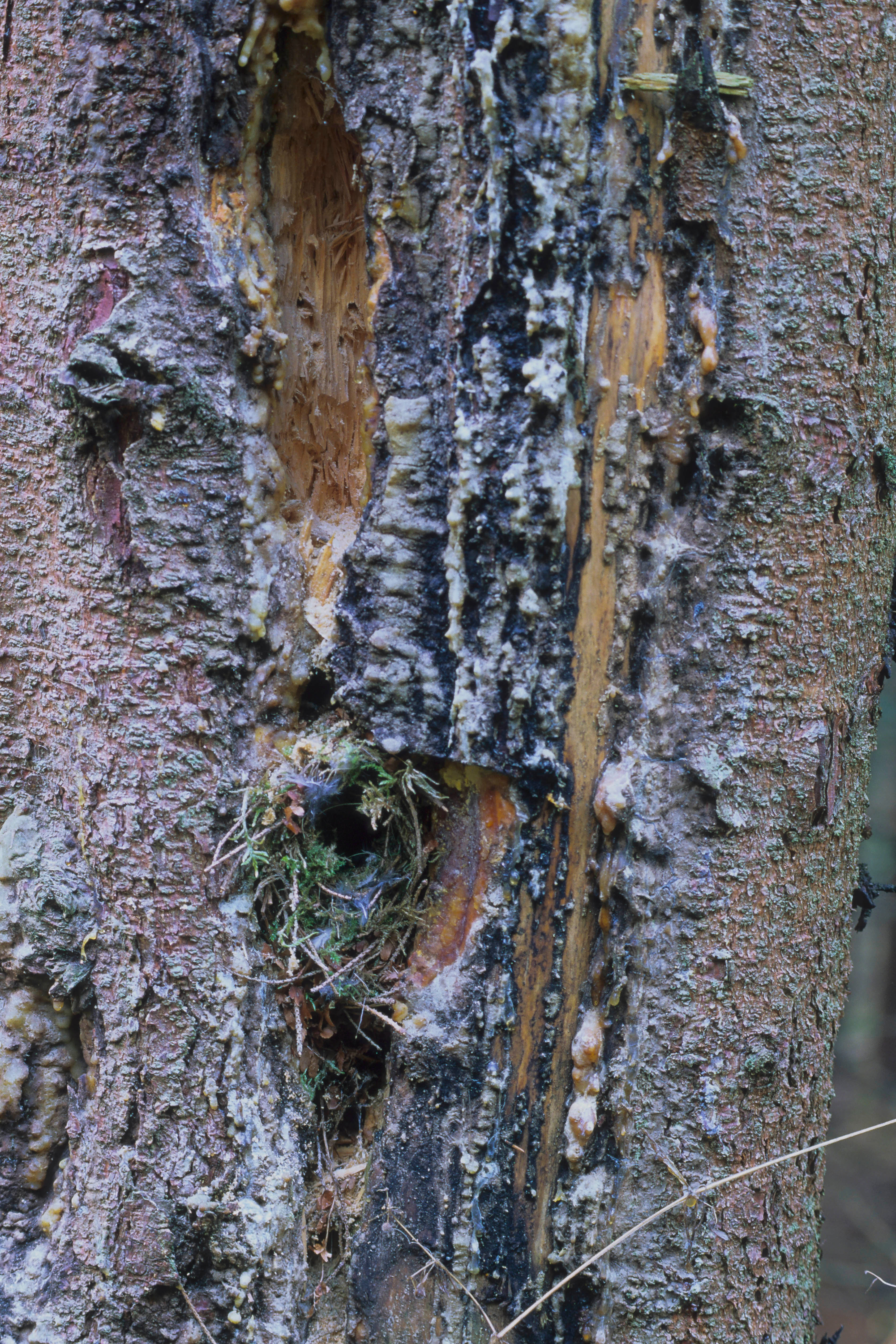
Fig. 3: The holes made by a black woodpecker are a clear sign that the trunk has already been colonised by ants or xylobiont beetles (left). Right: Nest of a wren in the holes made by a woodpecker. Photos: Norbert Wimmer (LWF)
As habitat trees have usually already been colonised by insects or fungi, their wood should as far as possible remain in the forest after unavoidable intervention such as traffic safety measures. It must generally always be considered that there may be some strictly protected species among the insects living in the wood. In order to protect these species, trunk parts with clearly visible rotten areas (D-grade wood), which often arise during timber harvesting (e.g. in stands with red rot), should also be left in the stand. This also applies to beetle-damaged trees, where the bark falling off is a sure sign that the bark beetles have already flown out (leaving snags).
Windthrown trees with exposed root plates are a special form of deadwood. They are an important structural element in our forests, as they provide breeding opportunities for insect species that colonise raw soil, as well as for wrens and robins, for example. Many root plates flip back as soon as the trunk is cut off, due to the lack of a counterweight. However, if several metres or the entire trunk are left attached to the root plate, it will remain permanently exposed. Very common in primeval forests, this structure is rare in commercially managed forests, and should be preserved wherever possible.
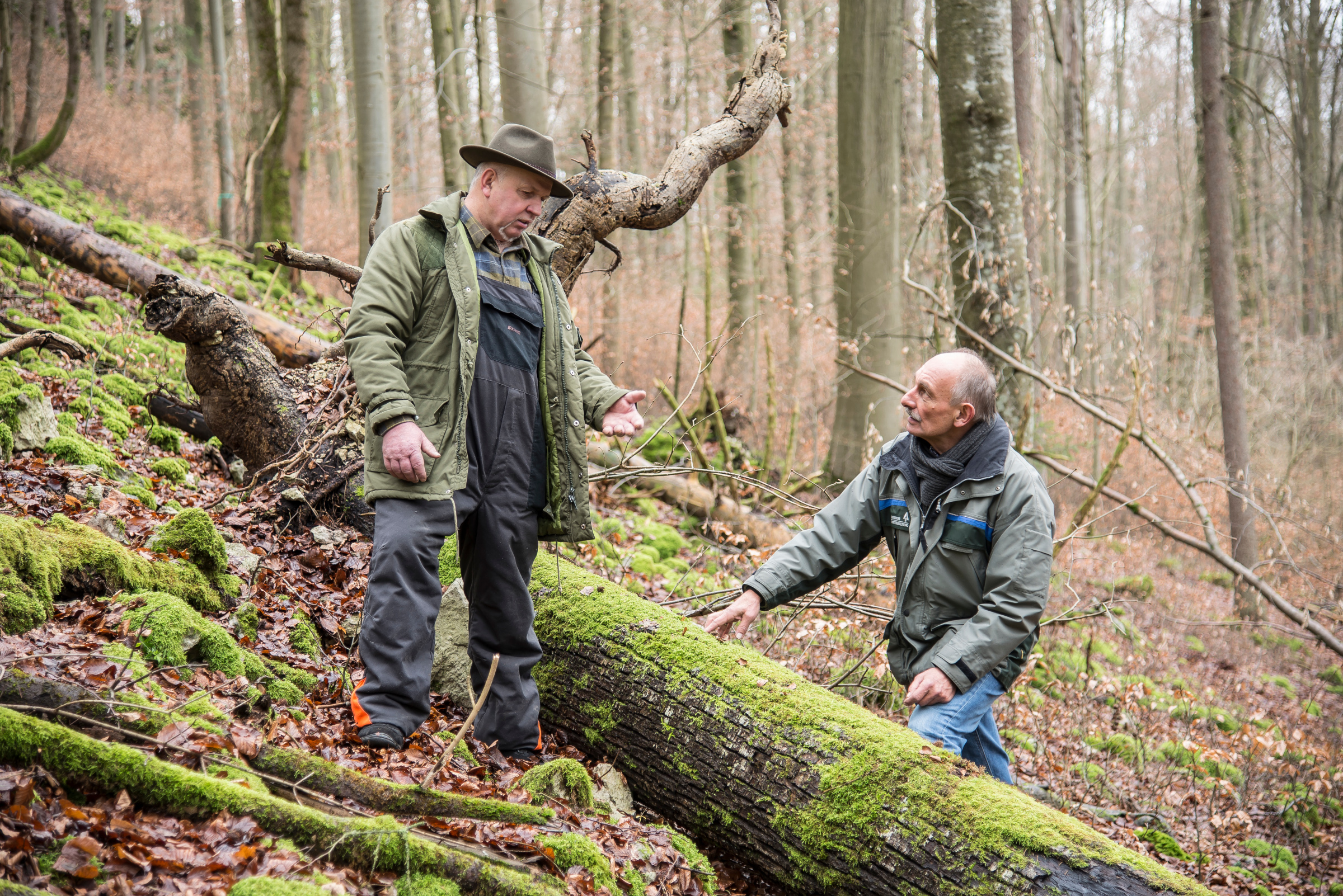
Fig. 4: Foresters of the Forestry Administration also give advice on nature protection issues such as the conservation of habitat trees and deadwood. Photo: Norbert Wimmer (LWF)
Proactive creation of structures and deadwood is desirable
In many places, targeted action can be taken to create important structural elements that benefit not only species, but also biological processes. If forest managers are sensitive to the issue, this can easily be achieved in the course of many intervention measures, as Figure 5 clearly summarises.
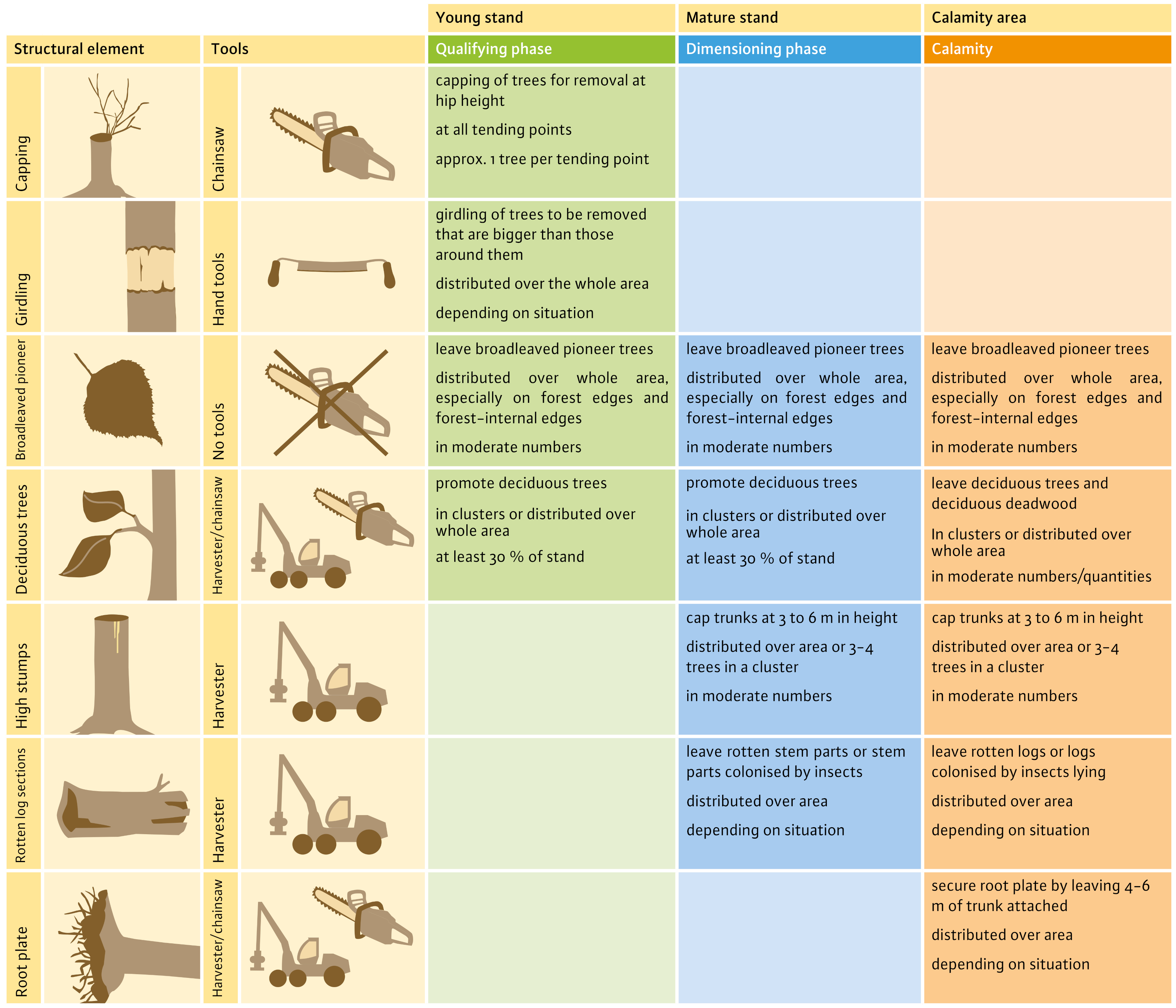
Fig. 5: Structural elements created during the different age phases of a forest stand.
Tending young stands
When tending young stands, the trees to be removed can be capped in compliance with safety regulations at an ergonomically favourable working height. Depending on the tree species, the trees capped in this way sprout again. They improve the stand structure for a while as a temporary understorey and intermediate layer, possibly promote the branch-free trunk length of the selected future harvest trees, and sooner or later they also form the first deadwood in the young stand phase, which is otherwise relatively poor in terms of deadwood. They also create ideal nesting opportunities for various songbirds.
Another proven method is the girdling of dominant competitors. When tending measures are delayed, this method can help to maintain a suitable stand structure, as the girdled trees only die slowly. Girdling is particularly suitable when very thick trees are to be removed, as it allows for a more gradual canopy opening. One of the two tending methods mentioned - either capping or girdling - could be applied in the young stand phase to at least one harvest tree at each tending point, for example.
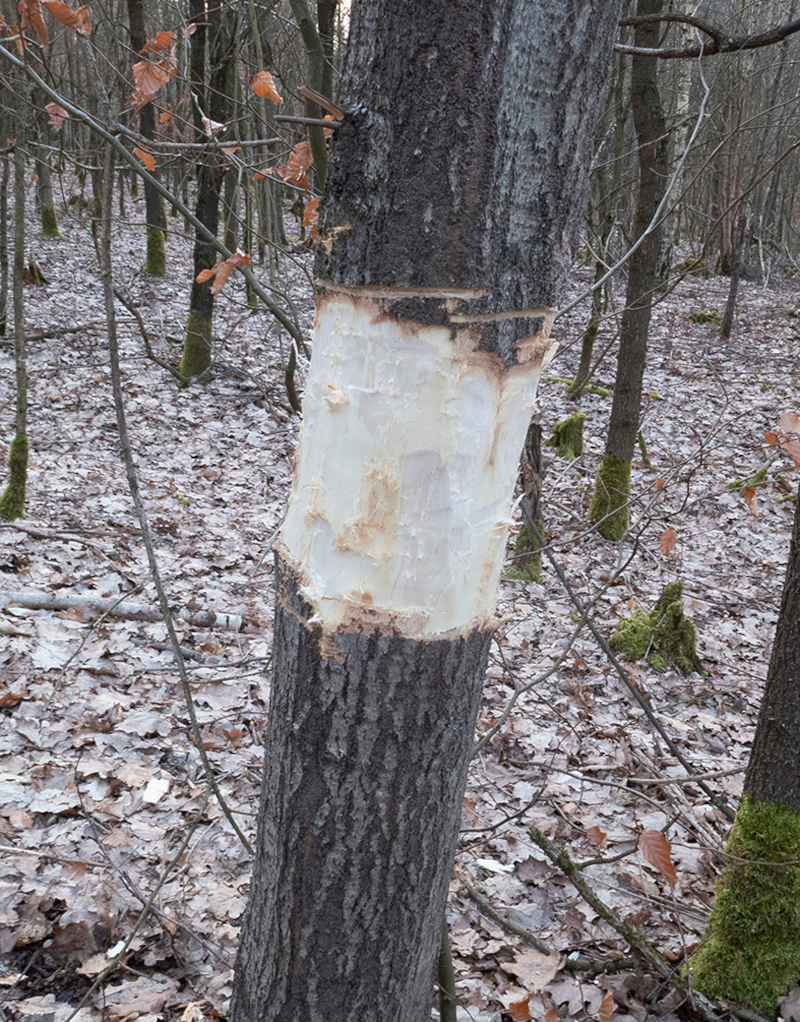
Fig. 6: Girdled aspen. Photo: Norbert Wimmer (LWF)
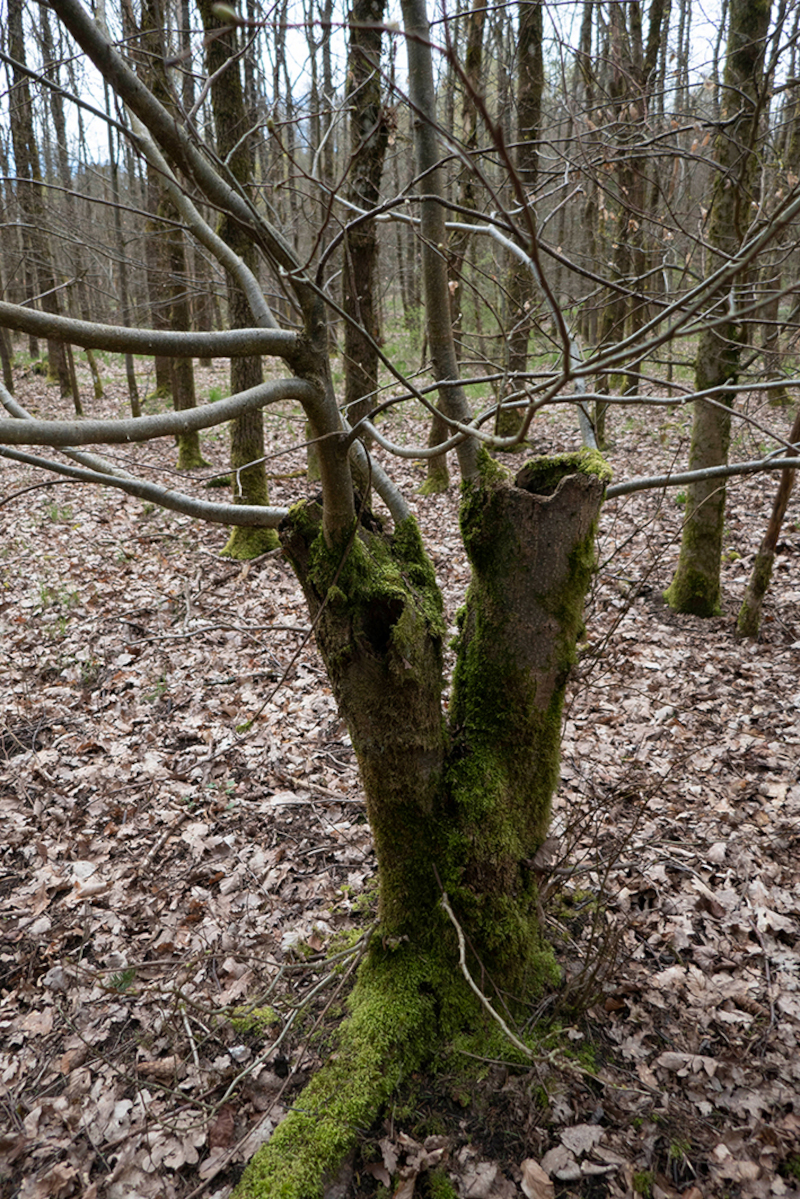
Fig. 7: A decapitated lime tree in a young stand. Over the years, microhabitats such as small rot cavities and in this case even a dendrotelm (water-filled tree hole) have already formed. Photo: Norbert Wimmer (LWF)
Mature stands
In older stand phases, the harvester can be used to create structures very effectively by capping some stems at heights of three to six metres. This is suitable for trees whose trunks already show signs of fungal or insect infestation, or for trees with woodpecker marks. These individual trees are of little economic value, but should remain in the forest if possible because of their high ecological value. In terms of biodiversity, deciduous trees such as deciduous pioneer tree species and oak are particularly valuable for a large number of insect species.
With the help of the high stumps, it is possible to temporarily create a “basic supply” of microhabitats and deadwood to bridge the gap during the absence of habitat trees. During regular machine thinning operations, the machine operators should therefore be instructed not to fell the trees described above close to the ground, but to cap them at a height of three to six metres, thus leaving the trunk sections that have already been colonised by insects and fungi standing. In this way, trees from a DBH of ≥ 30 cm can make a significant contribution to species conservation.
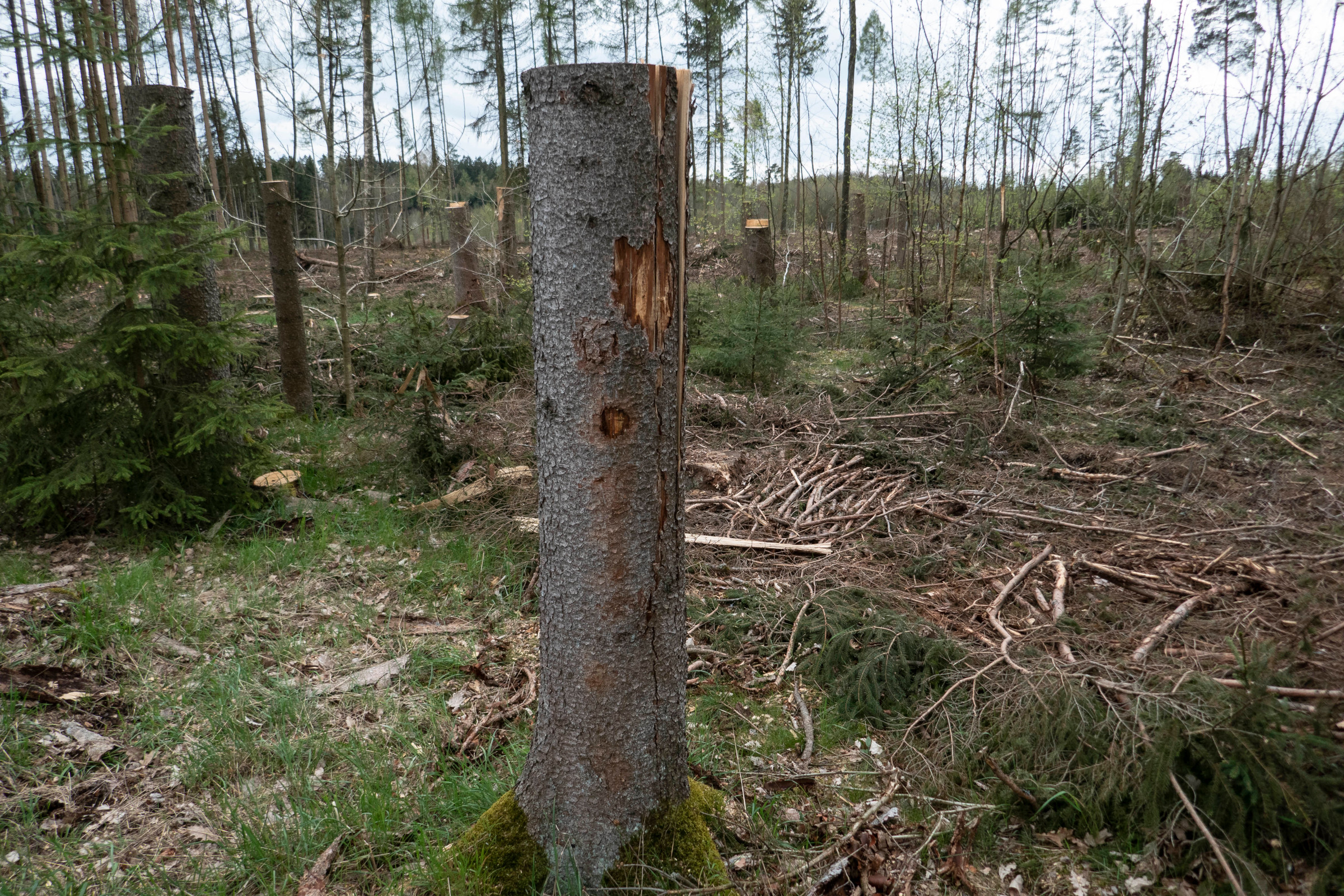
Fig. 8: High stumps left over the entire area in a privately owned forest in Upper Franconia. Photo: Norbert Wimmer (LWF)
Where possible, deciduous trees should be capped above individual green branches. This keeps the tree alive a while longer and provides a niche for xylobiont species. In stands with a high proportion of red rot, it allows small islands of deadwood to be created in concentrated areas. Particularly in stands with few or no habitat trees, the high stumps quickly provide suitable structures for xylobiont beetle larvae, which in turn serve as new food sources for birds. Woodpeckers use the high stumps as a feeding habitat and also build breeding cavities in them - for themselves and subsequent species. The microhabitats that develop in and on high stumps thus have a positive influence on biodiversity. The high stumps of larger-dimension deciduous trees in particular have the highest biomass of insects and numerous microhabitats.
The retention of deadwood serves numerous other functions in addition to aspects of forest nature conservation. As thermal images taken by the State Enterprise for Forestry and Timber North Rhine-Westphalia show, high stumps and snags have a positive effect on soil moisture and temperature. Tiebel et al. (2017) also emphasise that berry-eating birds such as thrushes prefer to use stable, raised structural elements such as root plates or high stumps on bare areas as resting places. They go on to say that “complete clearance of these key structures should be avoided, as the seed input of birds accelerates succession”.
Deadwood in the forest is not only nature conservation in practice, but an important element improving the starting situation for silvicultural measures. Even if habitats such as high stumps are usually only used by “everyday forest species”, at least basic nutrient cycles are set in motion. If harvesters are consistently used for nature conservation purposes in this way, it may improve the public's still very critical view of fully mechanised timber harvesting.
Calamity areas
On calamity sites - be they former spruce stands in the Franconian Forest or damaged pine stands in Central and Lower Franconia - the targeted enhancement of the deadwood supply is particularly important. It is an opportunity to secure a supply of deadwood for xylobiont species and biological processes (humus formation, water storage, erosion protection, etc.). The creation of deadwood in the form of high stumps, toppled trunks, root plates and snags must also be an objective of measures taken on damaged areas, and this objective should be expressed accordingly in the job assignment. It should also go without saying that logs already colonised with fungi and insects, and deciduous pioneer tree species should be left in the calamity areas.
These measures not only serve to conserve and rapidly create valuable stocks of deadwood on the damaged areas. They also reduce skidding costs and save valuable time in processing, since it is mostly a case of low-value timber or small volumes that will at best just cover costs when sold.
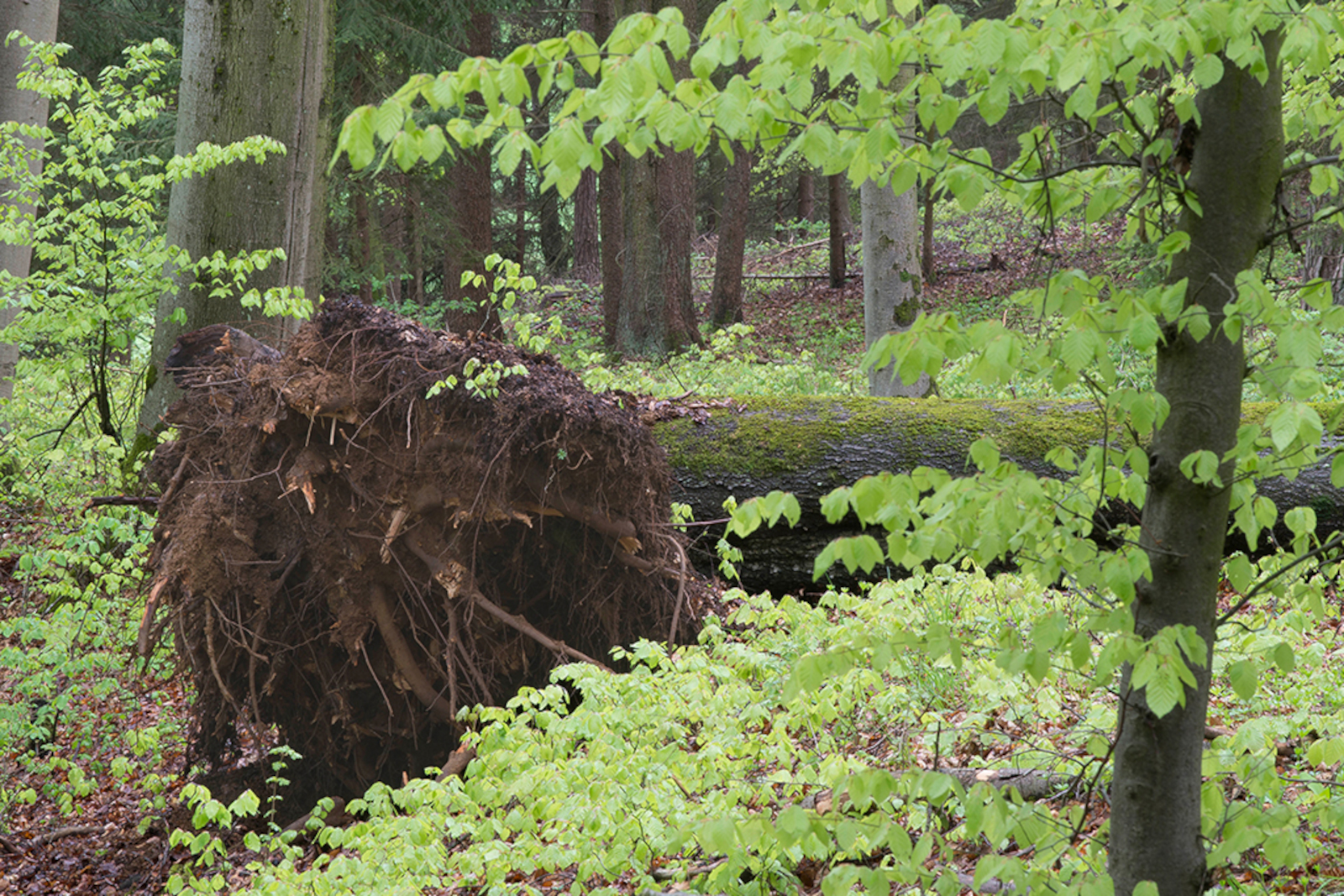
Fig. 9: The open root plates of trees blown over by the wind are a special form of deadwood. Photo: Norbert Wimmer (LWF)
Summary
Deadwood is an important structure in our native forests. It not only serves biodiversity, but also helps make our forests more resilient in general. The various forms of deadwood can arise naturally as a result of ageing processes or dynamic events and be left in the forest stands. Elsewhere, forestry measures can offer simple ways of enhancing the supply of deadwood - through the creation of high stumps, for example. On calamity areas, high stumps can help support young plants (offering water, shade) and indirectly support natural reforestation by providing perches for birds or hiding places for the stores of jay populations, for example.