



Three elderberry species are native to central Europe: the black elderberry, also known as the European elder or elderberry (Sambucus nigra); the red elderberry (Sambucus racemosa), also known as the red-berried elder; and the dwarf elderberry (Sambucus ebulus), also known as danewort. The black elderberry in particular has become a typical companion plant in human settlements, especially in rural areas.
The range of the red elderberry stretches from Europe via Asia Minor to northern China; in the Alps it can be found up to 1.800 metres above sea level. In Germany, the red elderberry is mainly found in the south and middle of the country. It is largely absent from the North German Plain. In the cooler low mountain ranges, the red elderberry is common on forest edges. It is mainly found on areas cleared after storm and bark beetle damage, however, often together with alder buckthorn (Rhamnus frangula, also known as Frangula alnus).
Its natural sites are block scree slopes including fine material in the low mountain ranges. The Sambucus bushes are often followed in the succession on cleared areas by the pioneer tree species silver birch, aspen, goat willow and rowan. Only then, under their sparse canopy, are the young plants of the main tree species such as beech or fir able to become established more easily and over extensive areas.
In addition to the raspberry, herbaceous companion plants such as rosebay willowherb, wood ragwort and foxglove are particularly associated with the red elderberry. In contrast to the black elder, however, the red elderberry is sensitive to lime and only occurs on acidic sites, although it is also considered to be nitrogen-loving. Both elder species thus also have foliage that decomposes particularly easily. They can thus improve the soil, but also shape the vegetation and are favourable for nitrogen-loving forest edge species.
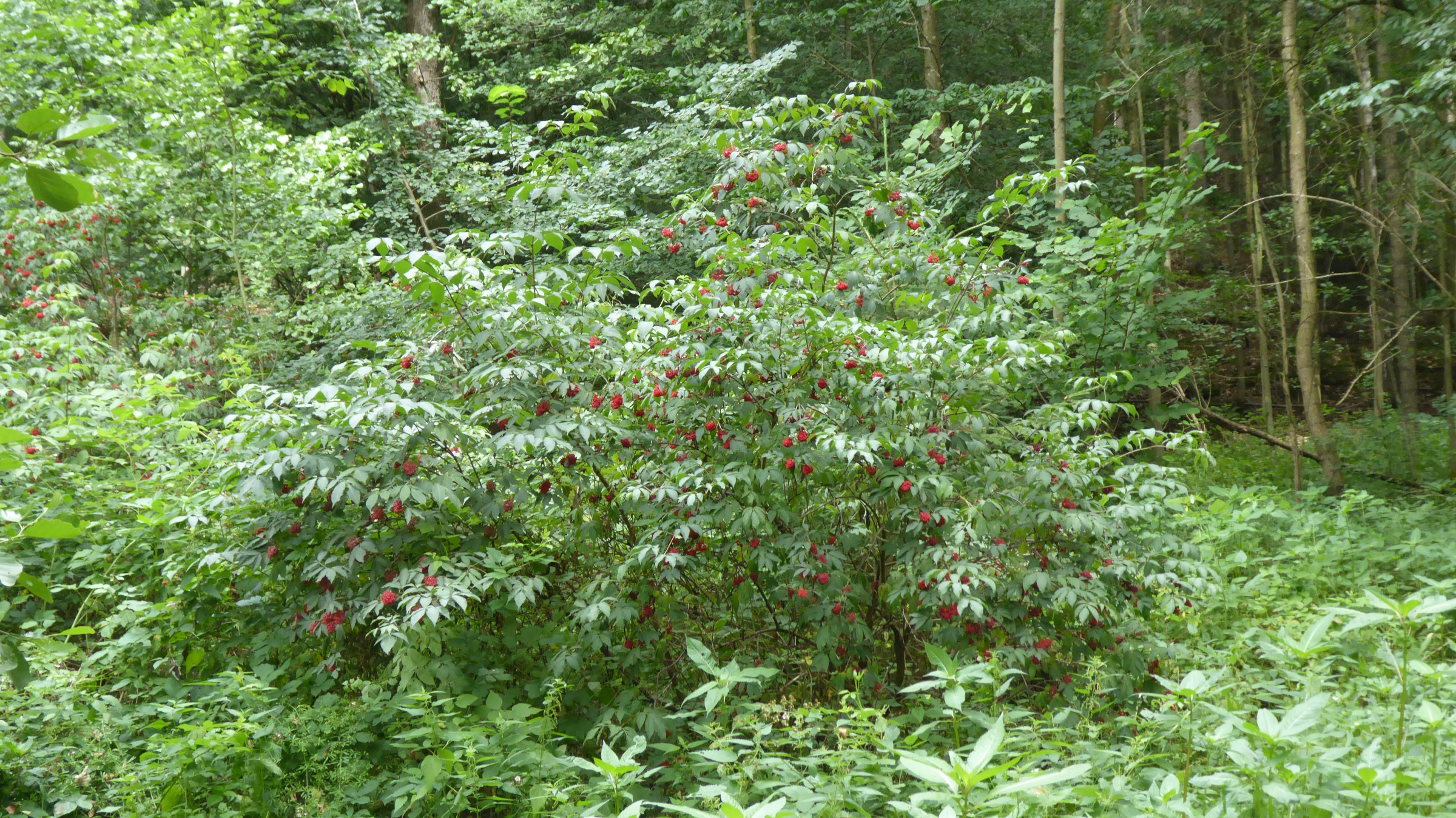
Fig. 1: Fruit-bearing red elderberry bush (Sambucus racemosa). Photo: Gregor Aas
Botanical characteristics
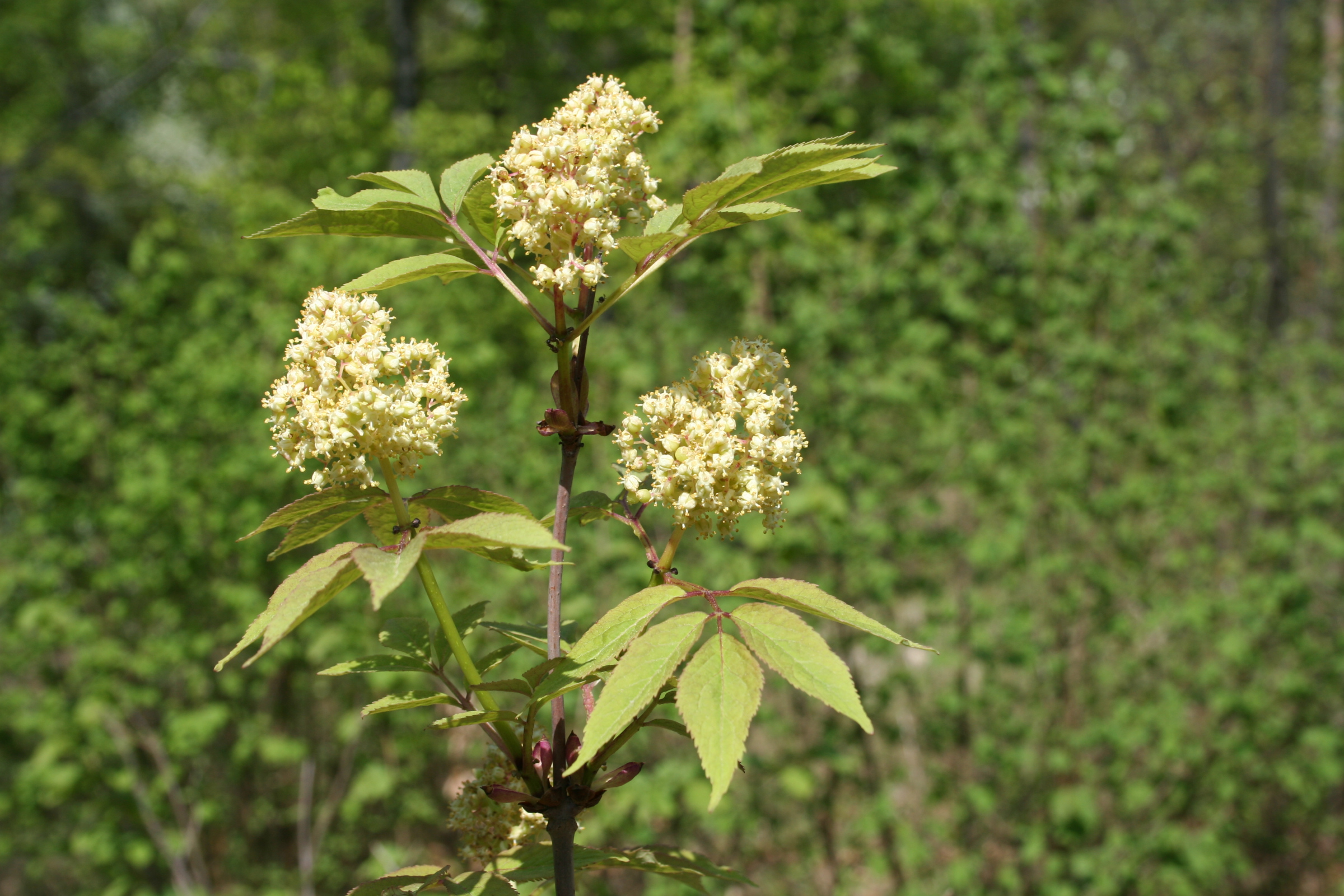
Fig. 2: The red elderberry flowers early in the year, usually as early as April. Photo: Gregor Aas
The red elderberry only reaches a size of 2-4 (5) metres and thus remains significantly smaller than the black elderberry. Although fast-growing, it is also a relatively short-lived woody plant. As with all members of the honeysuckle family (Caprifoliaceae), the 10-20 cm long leaves of the red elderberry are opposite. They are unevenly pinnate and usually consist of 5 serrated leaflets measuring 5-8 cm altogether. The round, egg-shaped buds are well wrapped in several bud scales. In contrast to this, bud leaves often show through the bud scales of the elongated buds of the black elderberry. The shoots appear in April and, in contrast to the green shoots of the black elderberry, are reddish to purple in colour.
The pith of the red elderberry’s shoots is not white as it is in the black elderberry, but brown. The flowers open earlier than those of the black elder, usually in April. The simple 5-petalled flowers are borne in upright, conical panicles that are 5-10 cm tall (Figure 2). They are mainly pollinated by flies and beetles. The two elder species are generally very important for insects that feed on pollen and/or nectar. Many beetle species from all sorts of different families can be found on the flowers, including several long-horned beetle species.
The fruits are initially green (Figure 3) and turn a bright red when ripe (Figure 4). Botanically speaking, these coral-red, spherical elder “berries” are drupes. In contrast to the fruits of the black elderberry, those of the red elderberry are not edible even after boiling. This species contains the same constituents as the black elderberry and is also slightly poisonous. The “berries” are however popular with birds.
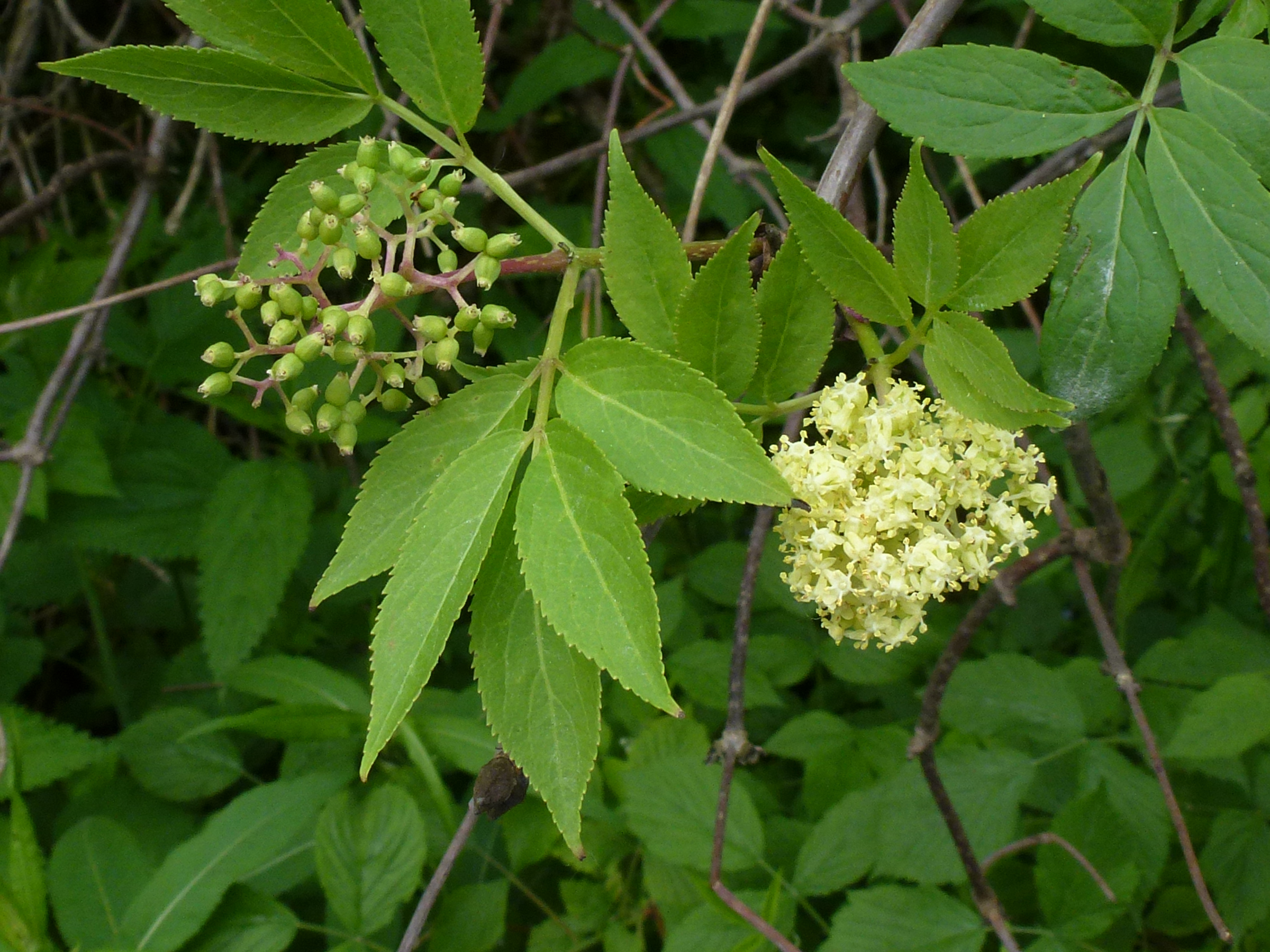
Fig. 3: Sometimes unripe fruits can be seen next to the flowers. Photo: Gregor Aas
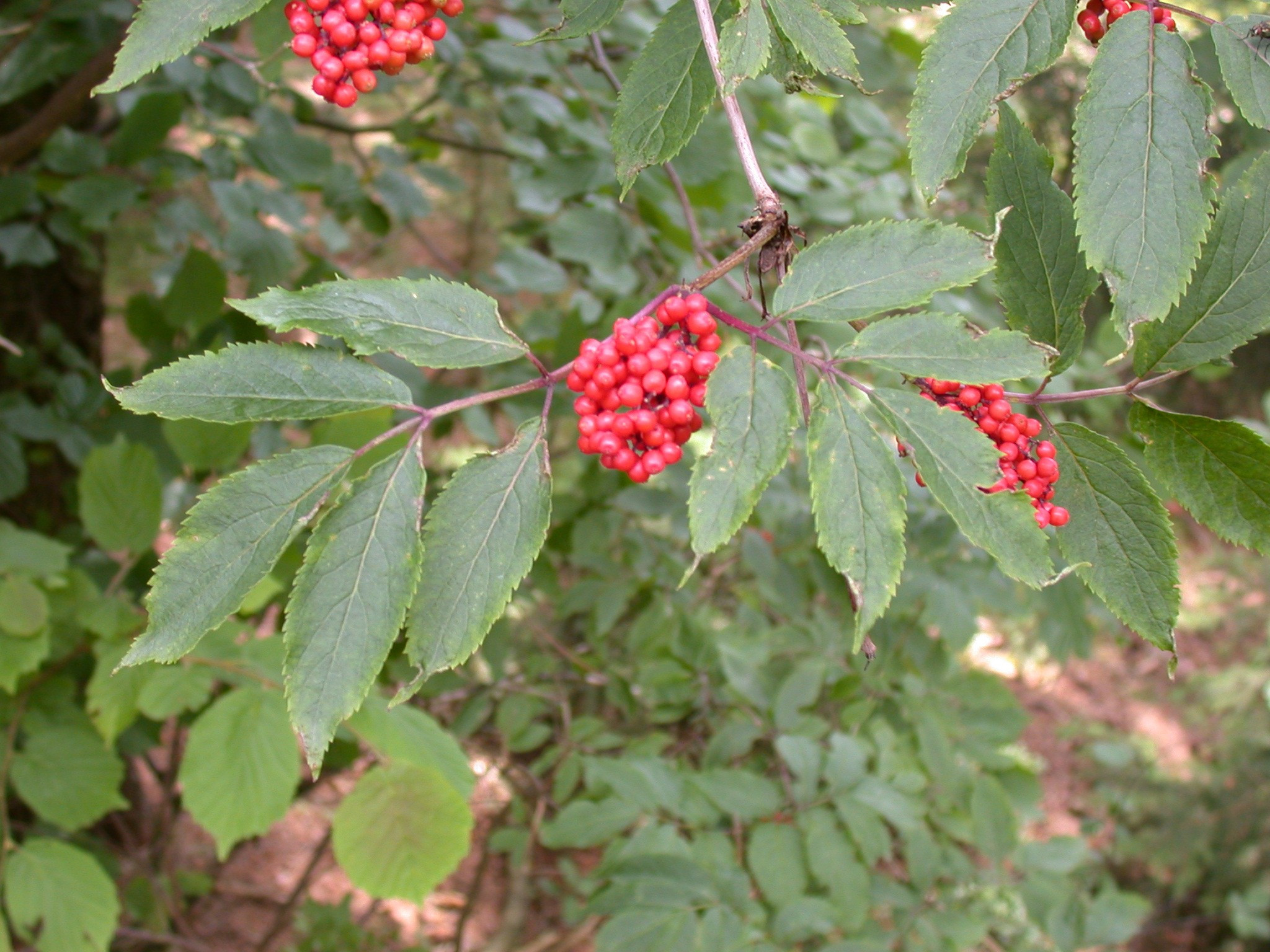
Fig. 4: The coral-red fruits of the red elderberry also ripen very early, usually in July and August. Photo: Gregor Aas
Elderberries and birdlife
The fruits of the red elderberry are 5-7 mm in diameter and they usually contain 2-3 seeds. Depending on the site, they usually ripen as early as July/August. The fruits are used as a food source by a large number of bird species. TURCEK lists 47 bird species that eat the fruit of the red elderberry. Peglow (1996) observed eight bird species eating the fruits of the red elderberry, especially in the first ten days of September. Due to their small size, red elder “berries” can also be swallowed whole by smaller songbirds, including robins, garden warblers, blackcaps, chiffchaffs and others. The red elderberry is particularly important for the robin (Figure 5). This importance is reflected in the names “robin tree” or “robin berry” sometimes given to the tree in the Erzgebirge (“Ore Mountains”) and Frankenwald (“Franconian forest”) regions in Germany. The Eurasian blackcap also feeds on the fruits of the red elderberry with great relish and persistence (Figure 6).
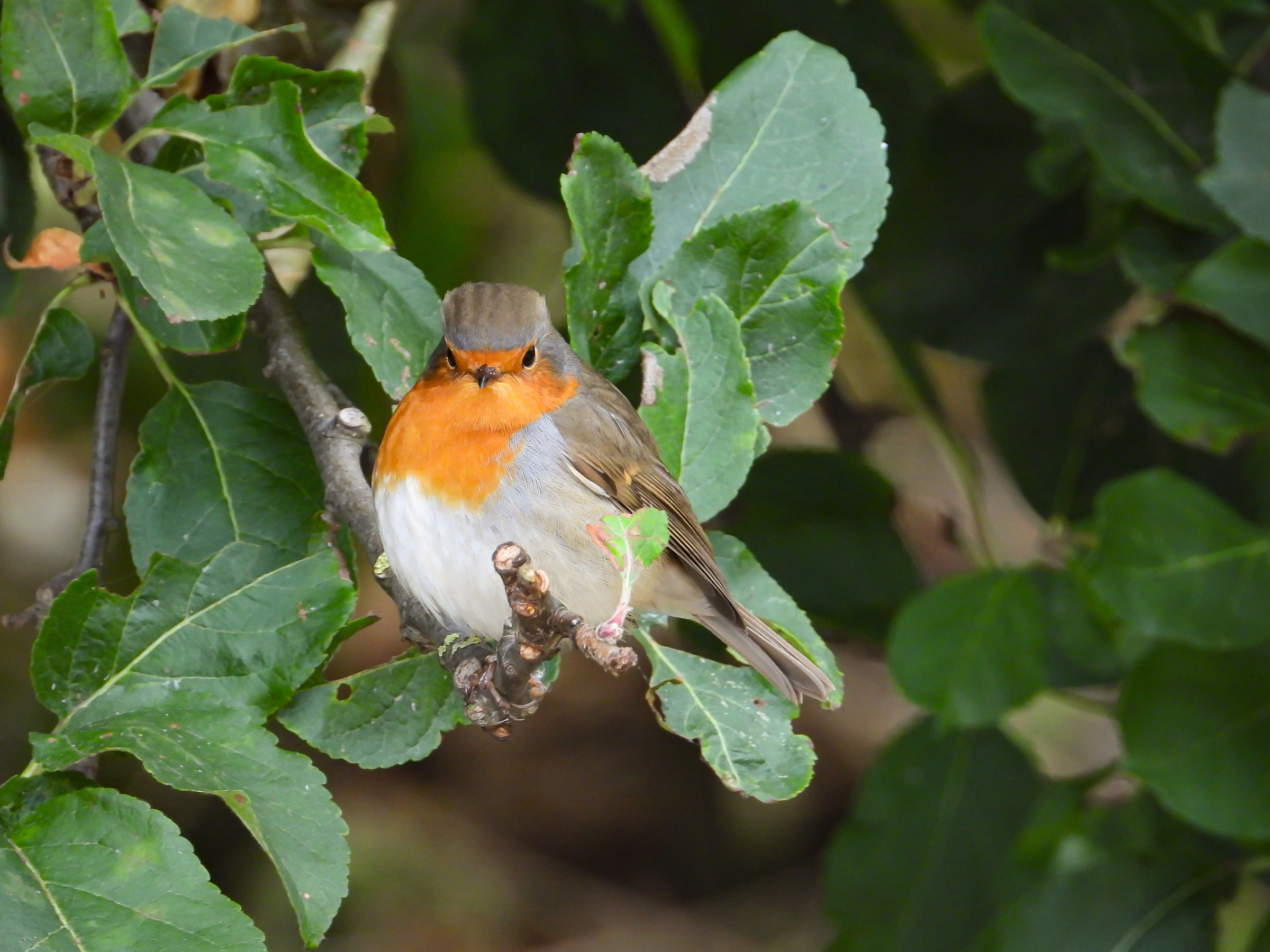
Fig. 5: The robin loves to feed on the fruits of the red elderberry. Photo: Michael Püls
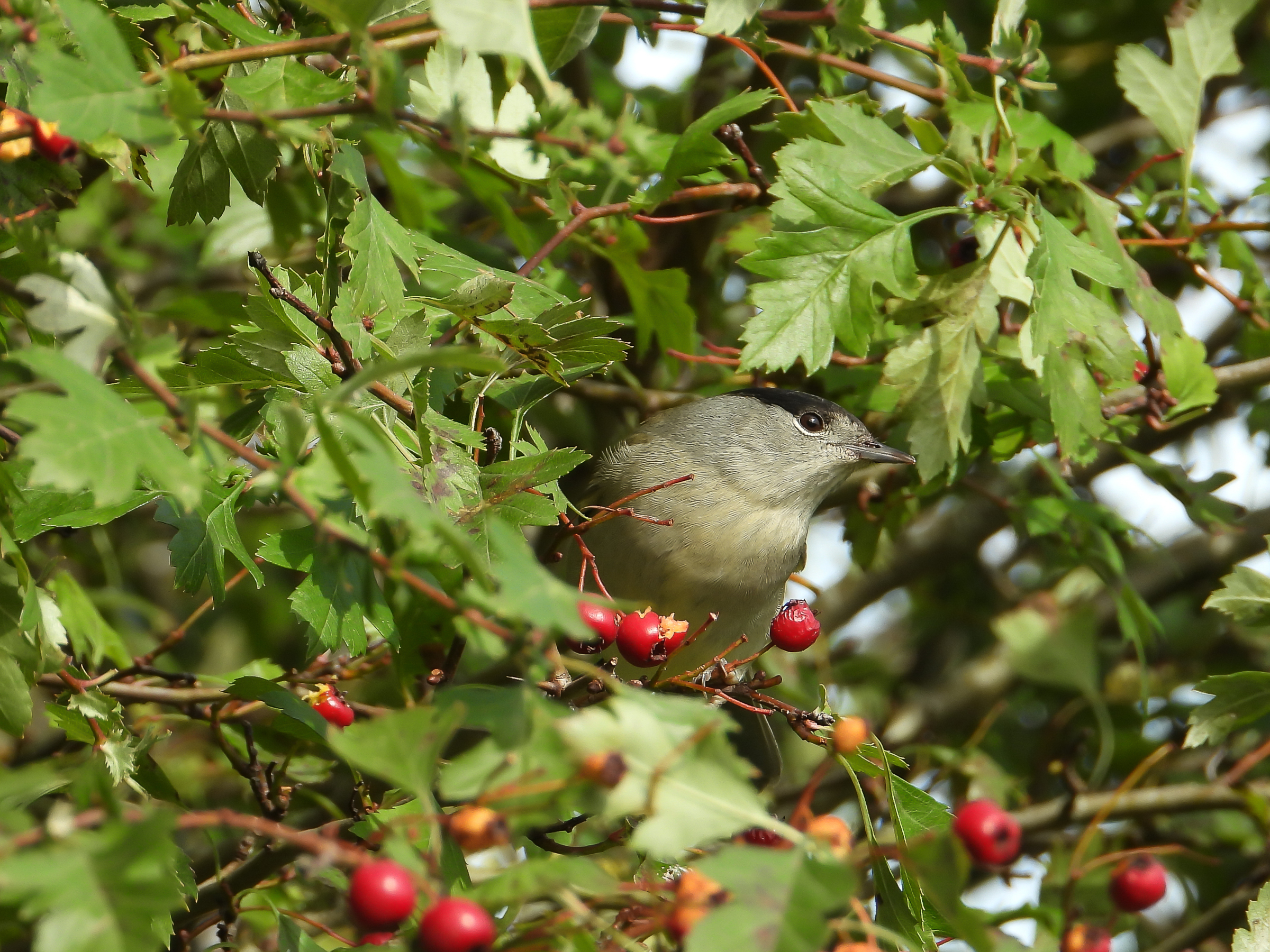
Fig. 6: The blackcap, seen here perched on a hawthorn, is also partial to the “berries” of the red elderberry. Photo: Michael Püls
The seeds are not destroyed when eaten and leave the body again either after being regurgitated or after digestion. In this way, these bird species contribute to the spread of the red elderberry, as they do with other shrubs. There is an ecological relationship here which is of mutual benefit to both partners. The birds receive food (the flesh of the fruit) and in return, they spread the used woody plant species with their droppings (endozoochory). Bird species that are only interested in seeds, such as many species of tits and finches, for example, do not disperse woody plants. The great tit is one of the main beneficiaries of the fruits of the red elderberry, but because it is not interested in the flesh of the fruit, but only in the seeds, it does not contribute to the spread of the red elderberry.
Especially in the higher, cooler areas of the low mountain ranges on acidic sites, the red elderberry with its fruits is an important bird food tree (Figure 9), since the only other berry-bearing shrubs that usually occur in these areas are rowan and alder buckthorn.
Not very popular with phytophagous insect species
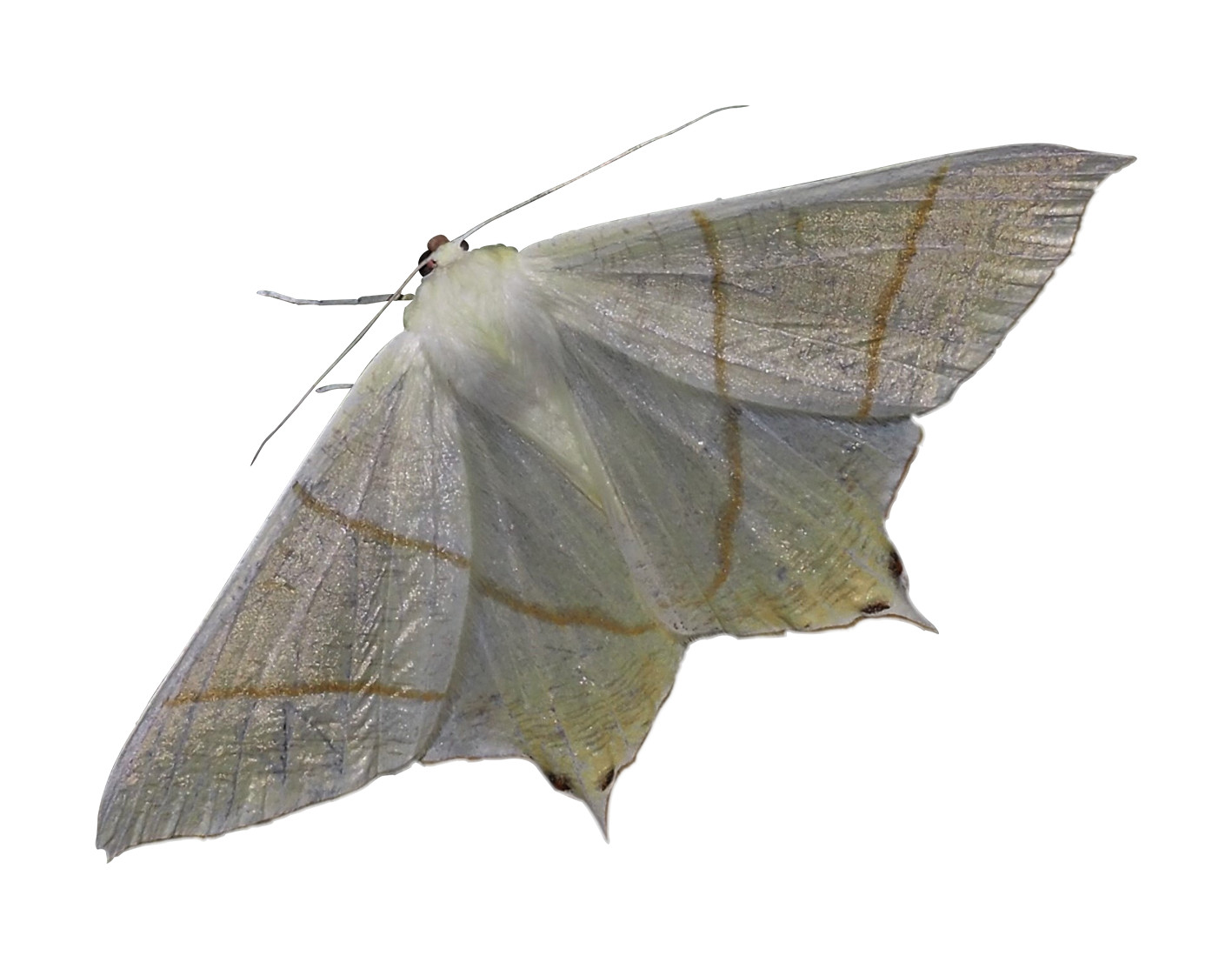
Fig. 7: The swallow-tailed moth (Ourapteryx sambucaria) with the clearly elongated tips of the hind wings that give it its name. Photo: Siegfried Braun
Neither elder species is particularly popular with phytophagous insect species, probably due to their plant constituents. It is presumably the sambunigrin, a cyanogenic glycoside found in their leaves, unripe fruit and fresh bark that puts them off. Because of this glycoside, all parts of the red elderberry are also considered to be slightly poisonous.
The swallow-tailed moth (Ourapteryx sambucaria), a pretty, eye-catching and widespread moth in Europe, is one of the few species of moth that develops as a caterpillar mainly on Sambucus. Although the species favours elder, it is not strictly monophagous, but can also develop on other woody plants such as lilac and clematis. The moths, which have a wingspan of approx. 40-50 mm, fly from May to August. The caterpillars appear from August. The species overwinters as caterpillars. The elongated tips of the hind wings give rise to the species’ common name swallow-tailed moth (Figure 7).
Special feature - beetles in the fruit
The flower beetle species Heterhelus scutellaris often occurs in the fruits of the red elderberry, causing premature ripening (emergency ripening) of the fruit through its larvae, which develop in the seeds of the fruit. On warm spring days, after overwintering in the soil, the beetles undergo a period of maturation feeding on the shoots, flower parts and pollen of the red elderberry just as it begins to sprout. They mainly sit in the inflorescences to mate, and start laying eggs after a short time. The eggs are mainly laid on the inflorescences. The young larvae then bore into the green fruit in order to penetrate into one of the seeds. The fruits colonised by the beetle larvae ripen prematurely and can thus be recognised by their red colour among the otherwise still green fruit clusters. The adult larvae pupate in the soil.
Summary
As an important successional shrub, the red elderberry reduces excessive sunlight, erosion, rapid mineralisation and nutrient leaching on bare areas, especially together with herbaceous plants and pioneer tree species. This prepares the ground for reforestation with the main tree species. Its easily decomposable litter has a soil-improving effect. At the same time, its abundant fruiting and relatively small fruits make it an extremely popular shrub species with birds, especially smaller songbirds. It can rightly be described as a bird food shrub.
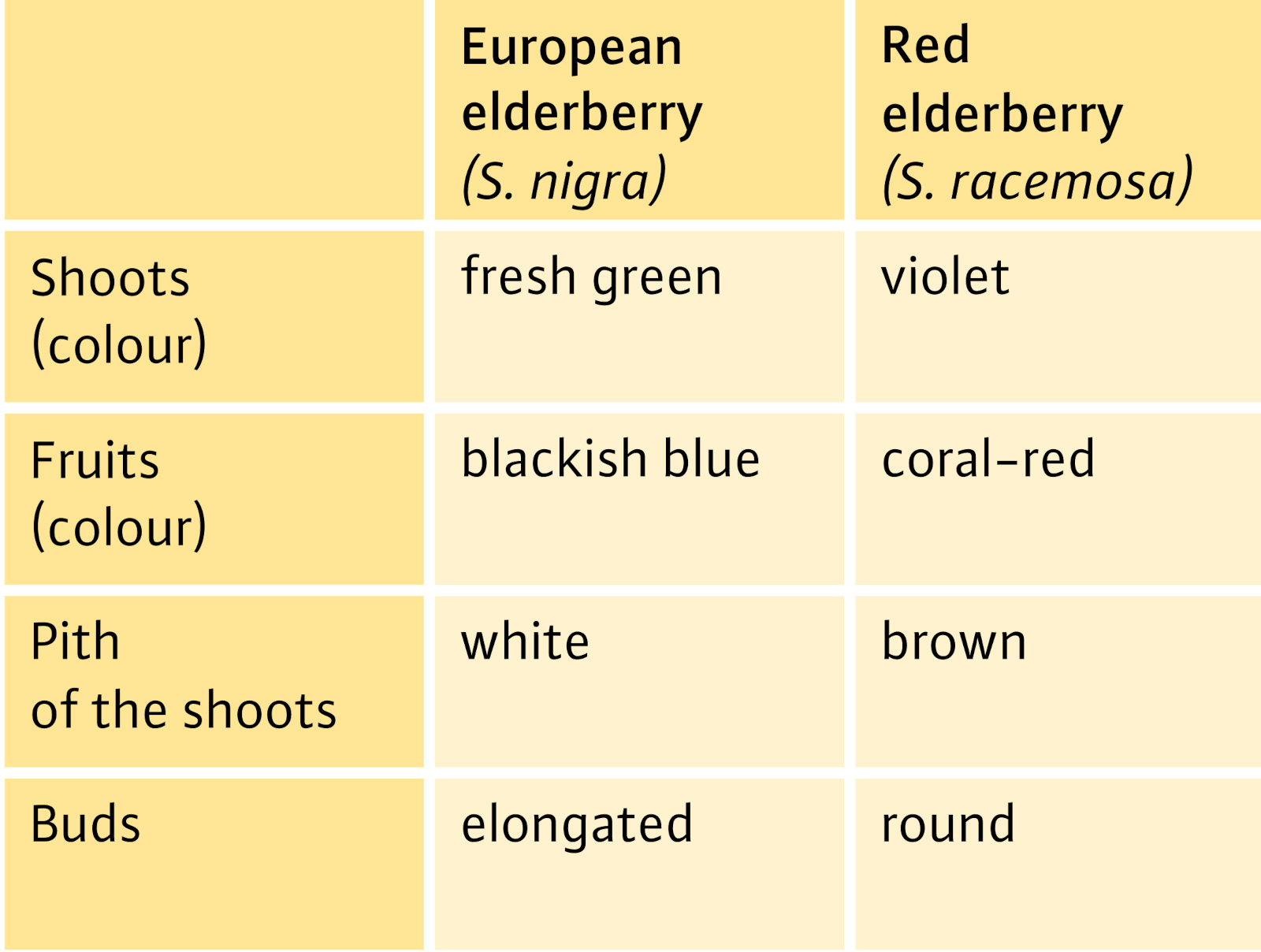
Fig. 8: Distinguishing features between the two woody elderberry species.
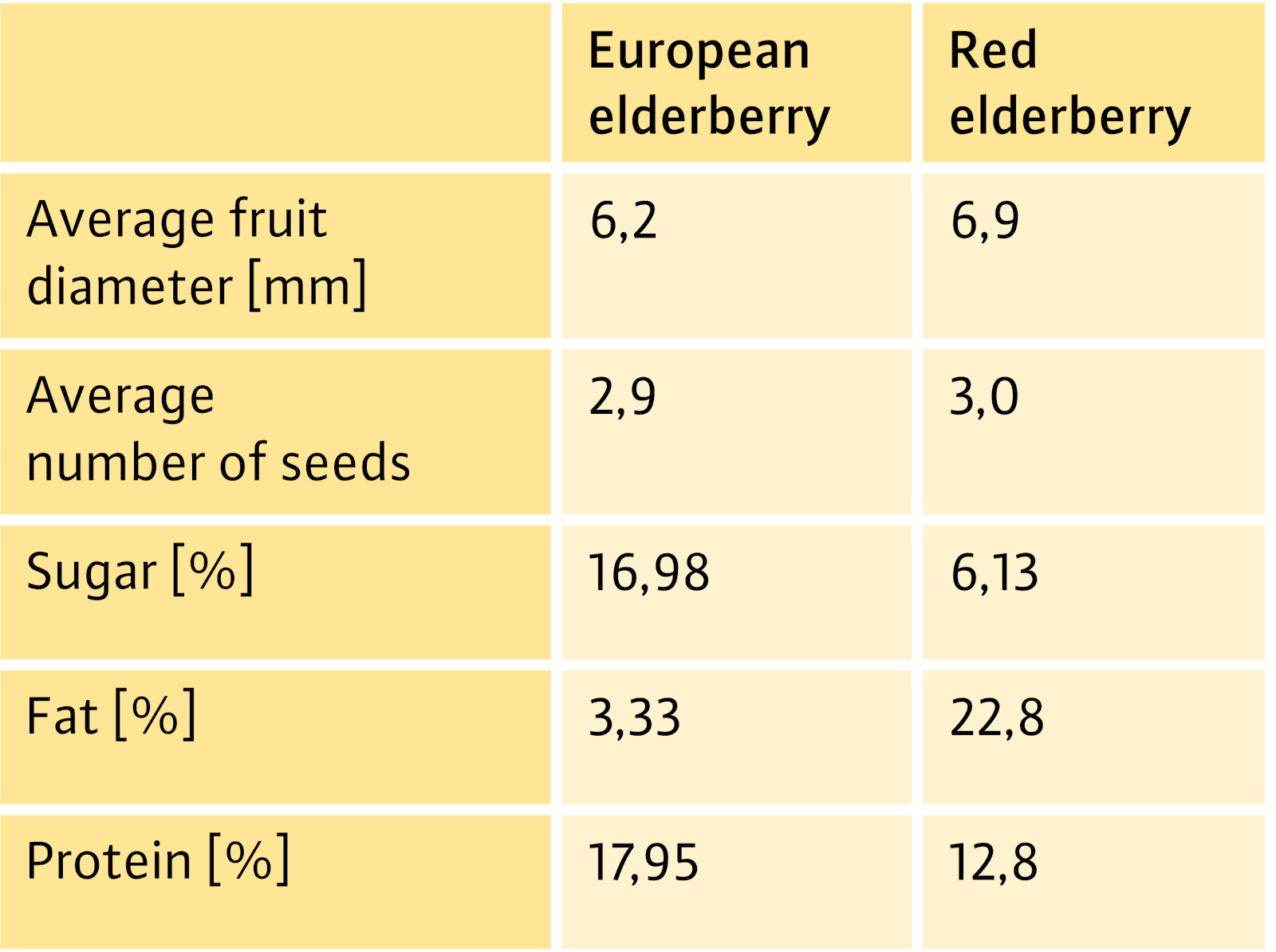
Fig. 9: Comparison of the fruits. Pfeifer 2017, modified

