



Forests are long-lived ecosystems. Changes take place there relatively slowly as a rule, and are not always recognisable even to the trained eye. Forests characterise our landscape, offer space for recreation and sport, provide a habitat for numerous animal and plant species, and supply the renewable raw material wood. They are also of great importance for water protection, air pollution control and defence against natural hazards. Many people in Germany therefore have a strong emotional attachment to the forest. Questions on the condition and development of our forests are thus frequently the subject of intense and often emotional public debate. For this reason, comprehensive and reliable data has been collected, evaluated and published in accordance with a standardised national procedure for over 35 years now, within the framework of the National Forest Inventory.
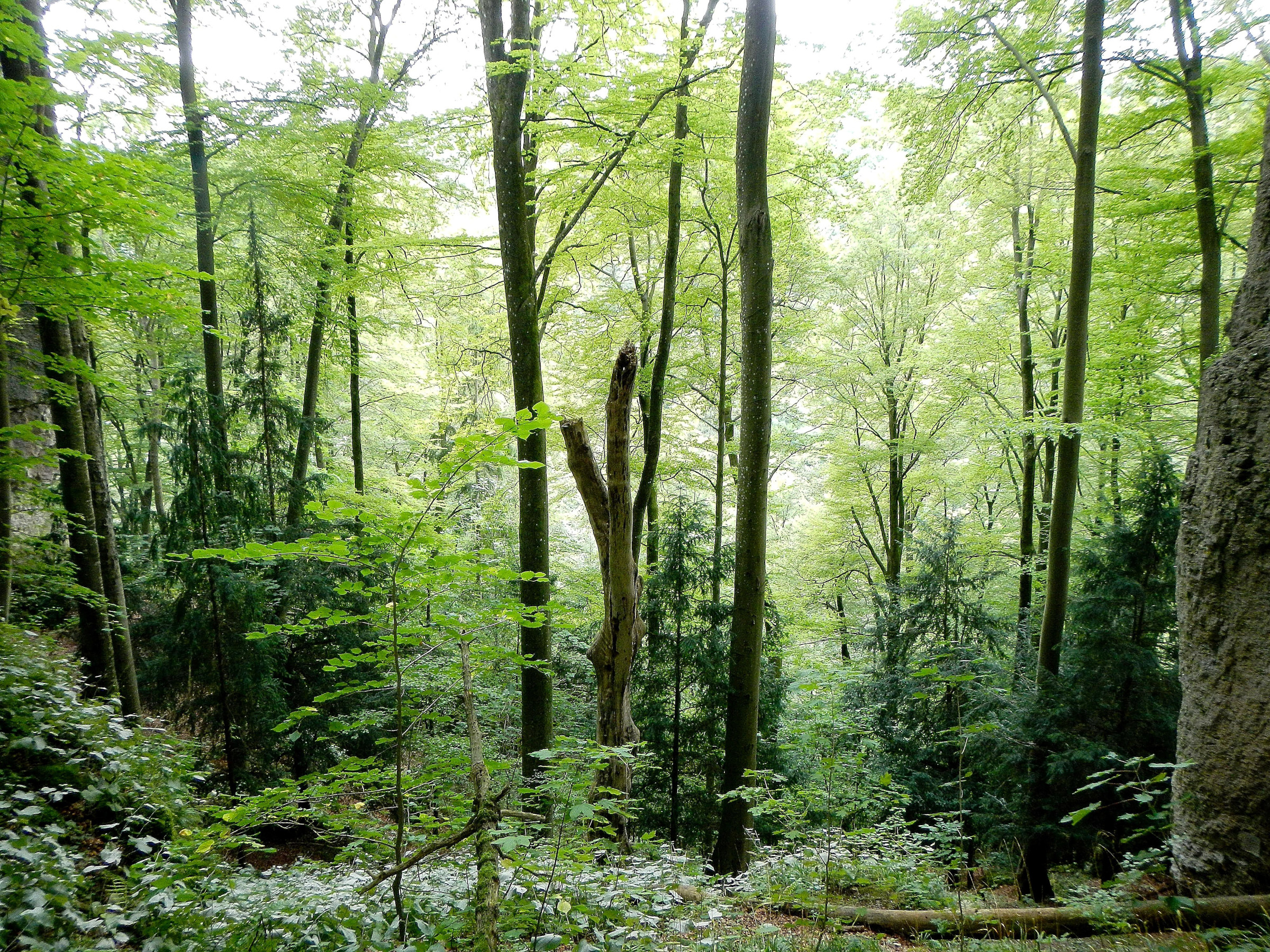
Fig. 1: More than a third of Bavaria is covered in forest. With 2.6 million hectares of forest, Bavaria has by far the largest forest area of all the federal states. A valuable space for people, animals and plants. Photo: Klaus Stangl
How does the National Forest Inventory work?
The NFI is a sample-based inventory carried out over a large area and according to a standardised national procedure. The inventory points lie on a grid that covers the whole of Bavaria. Data collection at these points is carried out terrestrially, i.e. by measurement in the field. The procedure and grid have remained largely unchanged over the years. The positions of the fixed inventory points are not visible in the terrain, so that the results are unbiased and undistorted. NFI time series are thus highly comparable and reliable. As the NFI is based on random sampling, it is also necessary to calculate the sampling errors or confidence intervals and to take the accuracy of the estimate into account when interpreting the results.
The NFI is carried out simultaneously throughout Germany. A total of 21 specially trained foresters from the State Institute of Forestry were out and about in Bavaria in 2021 and 2022 to carry out what is now the fourth National Forest Inventory (NFI 2022). They collected data on around 100,000 trees. A total of around 150 different parameters were recorded at over 8,000 inventory points: Beginning with height, BHD and any damage or distinctive tree features, and then including regeneration, deadwood and structural parameters in the forest, data was recorded on site using Toughbooks, and synchronised online with the central database at the Thünen Institute of Forest Ecosystems in Eberswalde for subsequent further processing.
The most important results of the NFI 2022, which was published in October 2024, are summarised below. The development of the growing stocks, the increment and timber harvesting is examined in more detail. Further information can be found on the web at www.bundeswaldinventur.bayern.de. Among other things, you will also find the LWF special brochure on the NFI with detailed evaluations available for download.
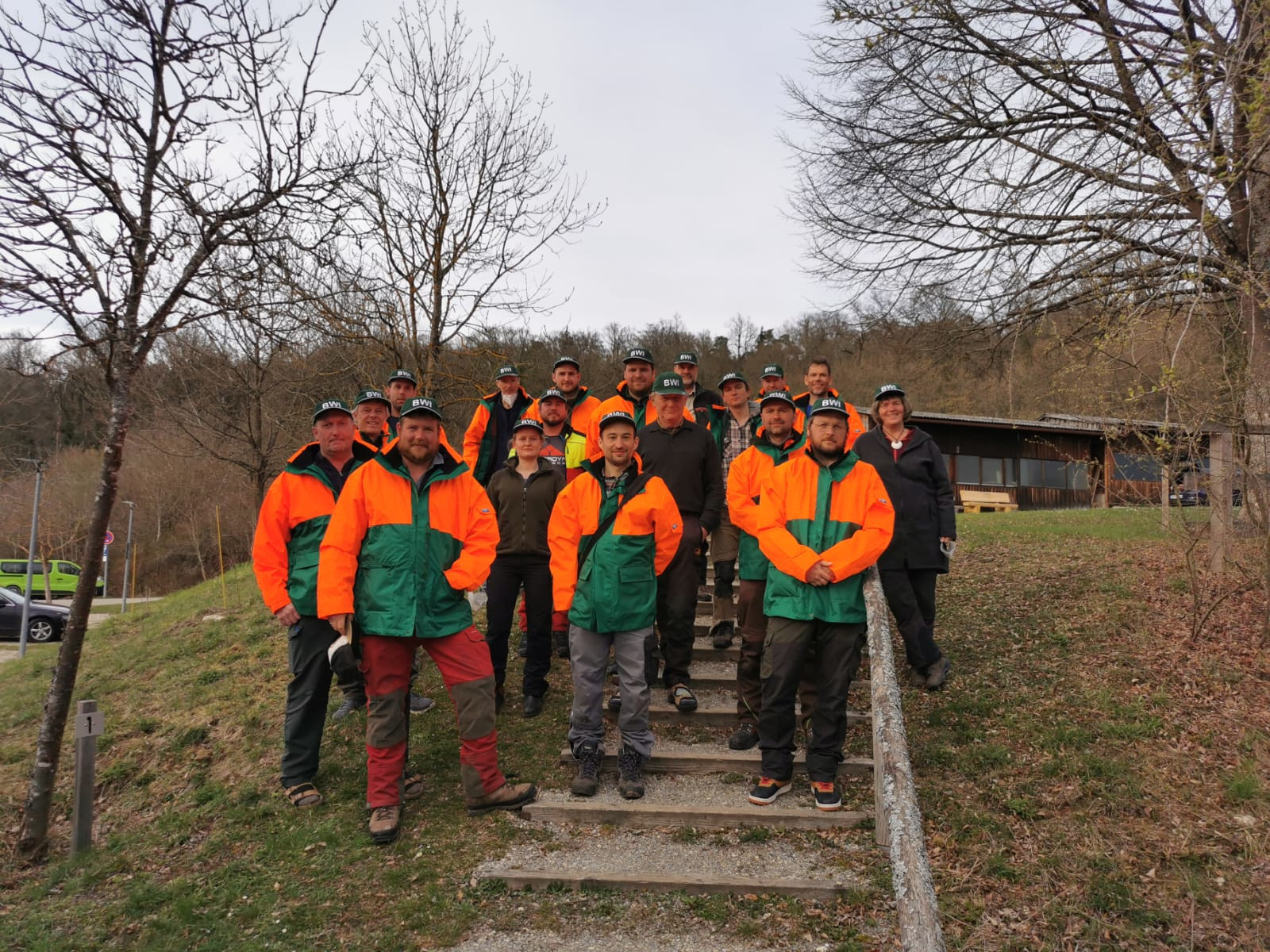
Fig. 2: Specially trained foresters from the LWF collected data on around 100,000 trees. NFI recording team from the LWF at the federal training course in Kelheim. Photo: LWF
More deciduous trees, more mixed forest, more deadwood
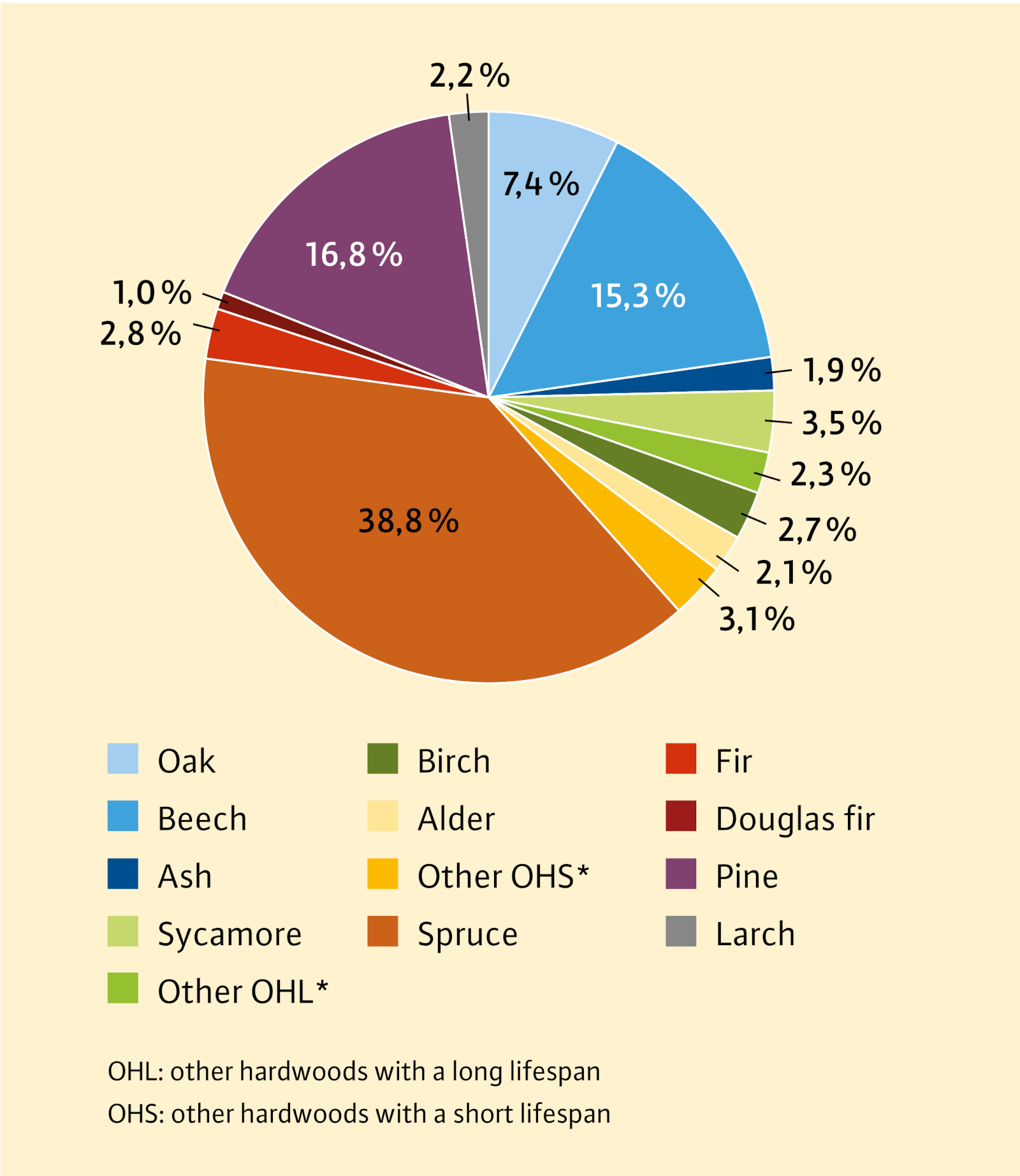
Fig. 3: Spruce and pine are still the most common tree species in Bavaria, but the beech and all other tree species are catching up.
For decades, Bavaria's forestry sector has been undergoing a process of transformation towards close-to-nature management and climate-adapted forests. This is also confirmed by the results of the 2022 National Forest Inventory. Particularly impressive is the further increase in the share of the area taken up by deciduous tree species, which now stands at around 38%. This is an important step towards more closeness to nature, and it is important for the adaptation of the forests to climate change, because although the damage to deciduous trees in recent hot and dry years has also increased significantly, many deciduous trees are relatively climate-tolerant. At the same time, the shares of mixed forests, multi-layered stands and regeneration areas have continued to increase over the last 10 years. These developments are also important steps in the adaptation of the forests to climate change. Losses of particular tree species can thus be compensated for either by other species, or by the underlying tree layers. This minimises or even prevents the emergence of extensive areas of bare ground.
The average age of our forests has continued to increase from 83 (2012) to 88 years old (2022). This trend towards older forests was also recognised in the last federal forest inventories.
The deadwood supply has risen significantly since the last NFI to an average of 29.9 cubic metres/ha. Deadwood is of great importance for biodiversity in the forest and is therefore systematically preserved and promoted. The increased deadwood supplies are however also a consequence of the increasing damage to the forests caused by drought and heat.
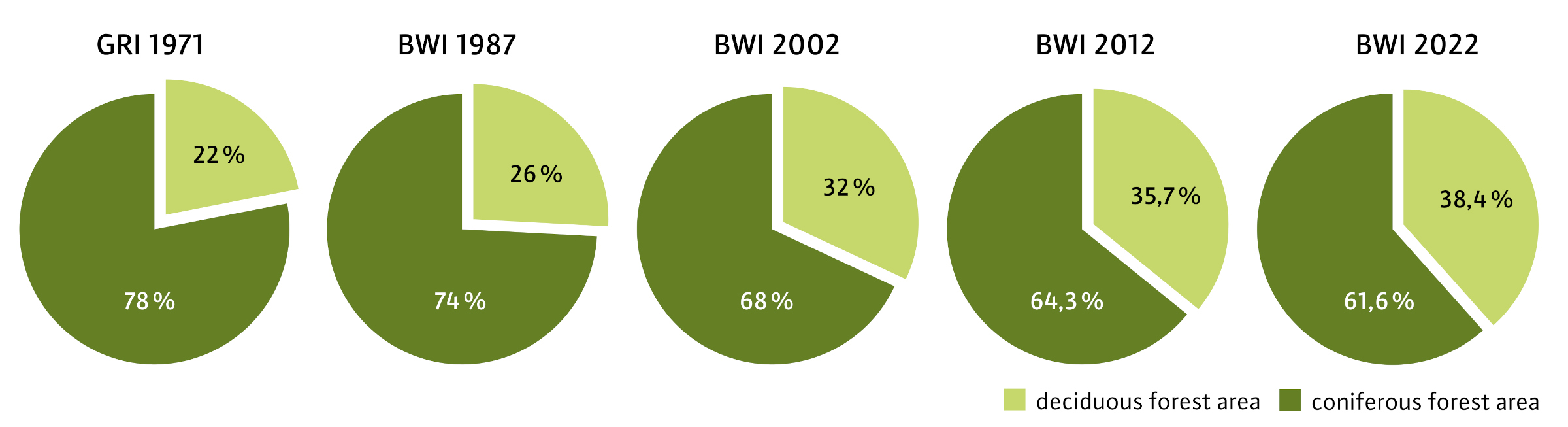
Fig. 4: The share of deciduous trees in Bavarian forests has risen continuously.
Further increase in growing stock
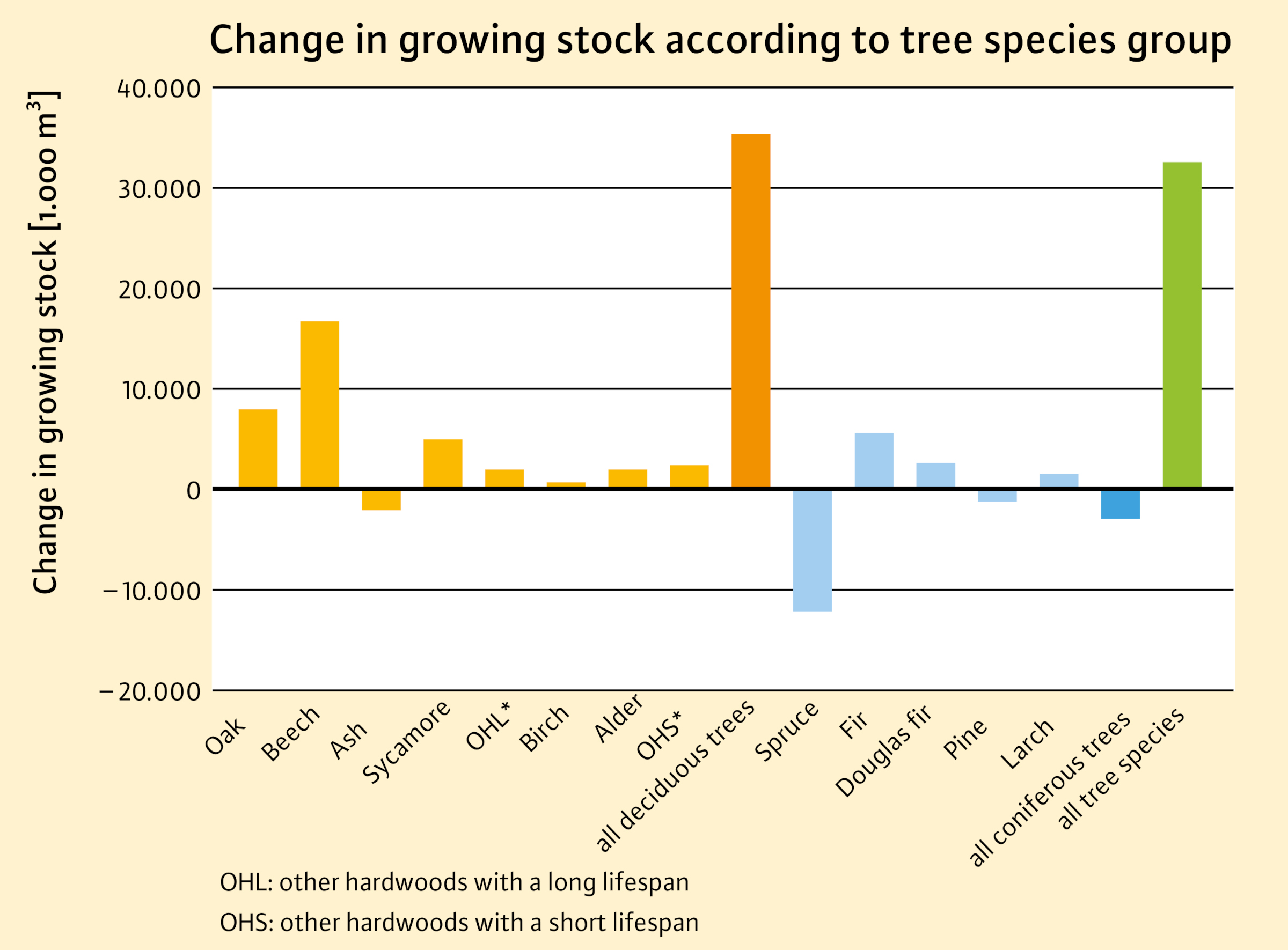
Fig. 5: Change in growing stock according to tree species group since the last NFI.
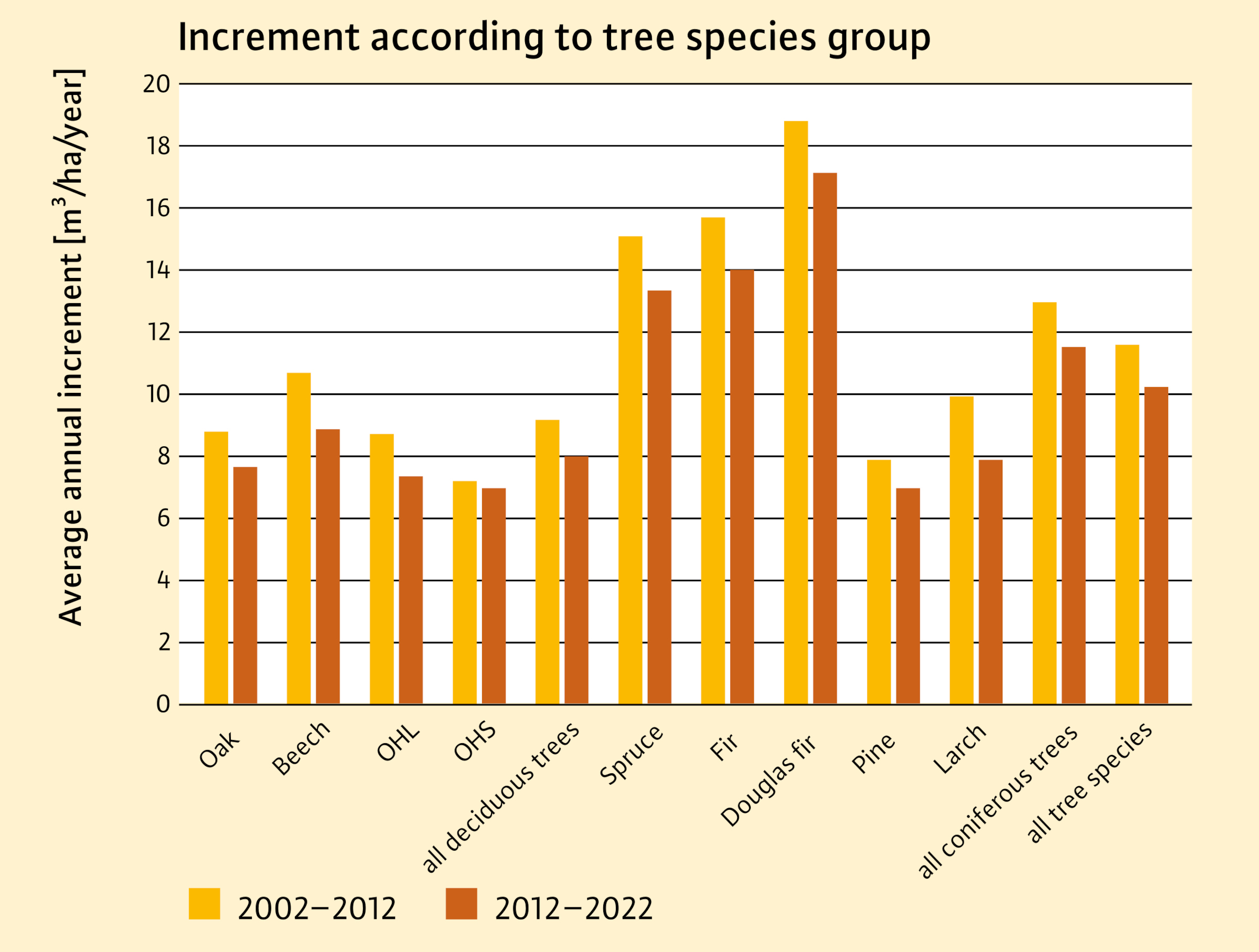
Fig. 6: For all tree species, the average annual growth between 2012 and 2022 was lower than in the previous ten years.
The growing stock in Bavaria's forests has increased. It amounts to around 1.011 billion cubic metres. This corresponds to an average growing stock of 405 cubic metres per hectare. This puts Bavaria ahead of all other federal states and well above the German average of 335 cubic metres per hectare. The average growing stock has risen slightly across all types of ownership, but the average stocks are not the same everywhere: Whereas the stocks in the state and corporate forests are only slightly above the national average at 359 and 351 cubic metres per hectare respectively, an average stock of 444 cubic metres per hectare was determined in private forests. Small private forests (up to 20 hectares) have particularly high stocks, at an average of 472 cubic metres per hectare.
Overall, 62.2 % of standing timber stocks are in private forests, 25.5 % in state forests, 10.7 % in municipal forests, and 1.5 % in federal forests.
Conifers account for around 70 % of the total stock. Coniferous wood stocks have however decreased by 0.4 % (2.8 million cubic metres) in the last 10 years. Spruce and pine in particular have seen a significant decline in stocks. By contrast, hardwood stocks have increased by around 13.4 % (35.4 million cubic metres). This applies to all deciduous tree species with the exception of ash. This is a consequence of ash dieback, which can be observed throughout Germany.
Stocks are increasingly shifting to the higher diameter classes. Here, too, the trend from NFI 2012 continues. The largest timber stocks continue to be in the diameter class between 30.0 and 39.9 cm. The deciduous timber stocks are increasing in all diameter classes, but especially in the thicker classes, from a diameter of 40 cm. In the case of coniferous trees, the stocks have declined only in diameter classes below 40 cm. From the diameter class above 40 cm, the coniferous timber stocks also continue to increase, and even in the case of spruce, the large-diameter stocks in the classes above 50 cm in diameter have increased. So there is an increasing amount of large-diameter timber. This applies across all categories of ownership type and property size.
Increments and utilisation are declining
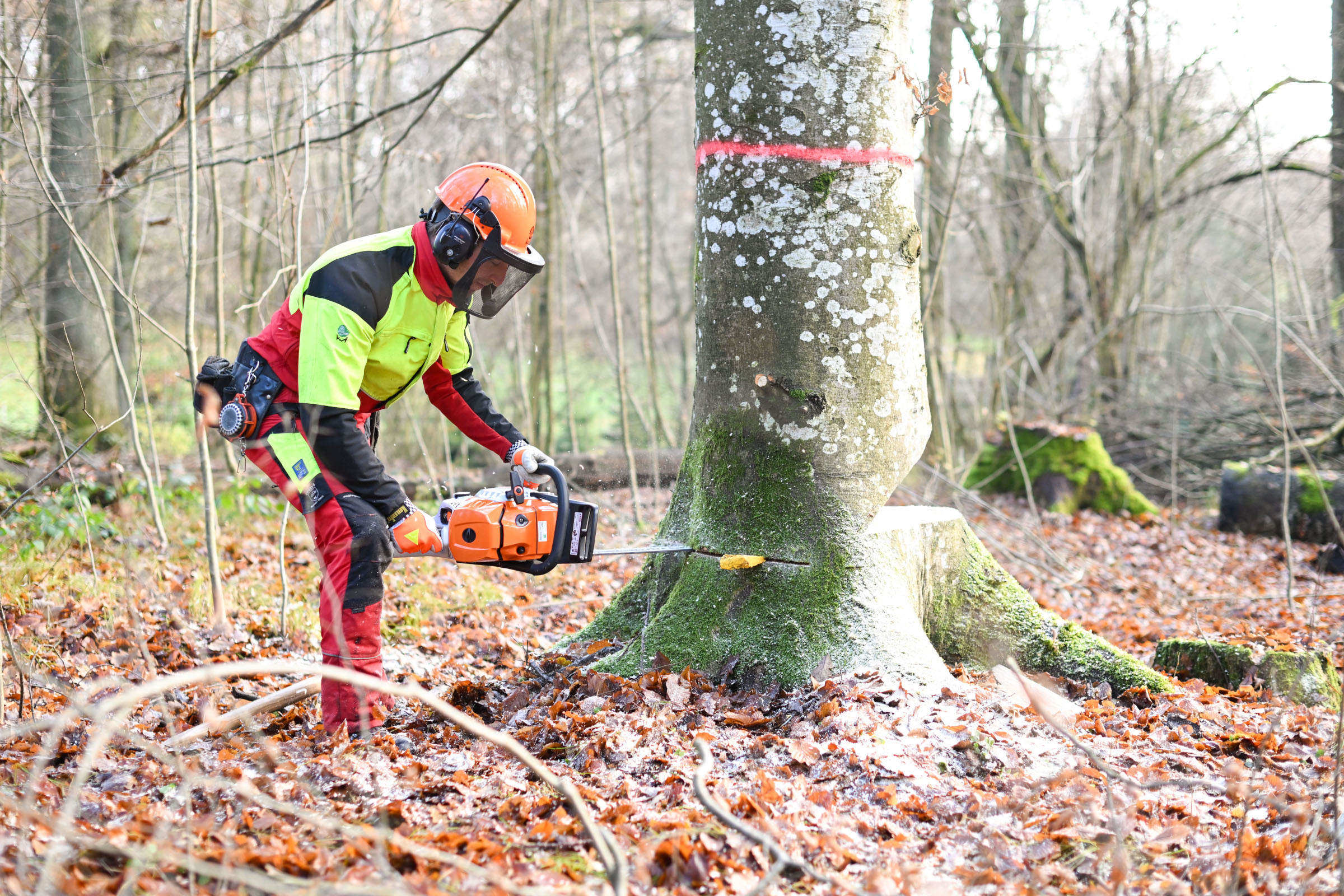
Fig. 7: Bavaria's timber stocks have increased, especially in the large-diameter category. Overall, more wood is growing than is harvested. Photo: Tobias Hase
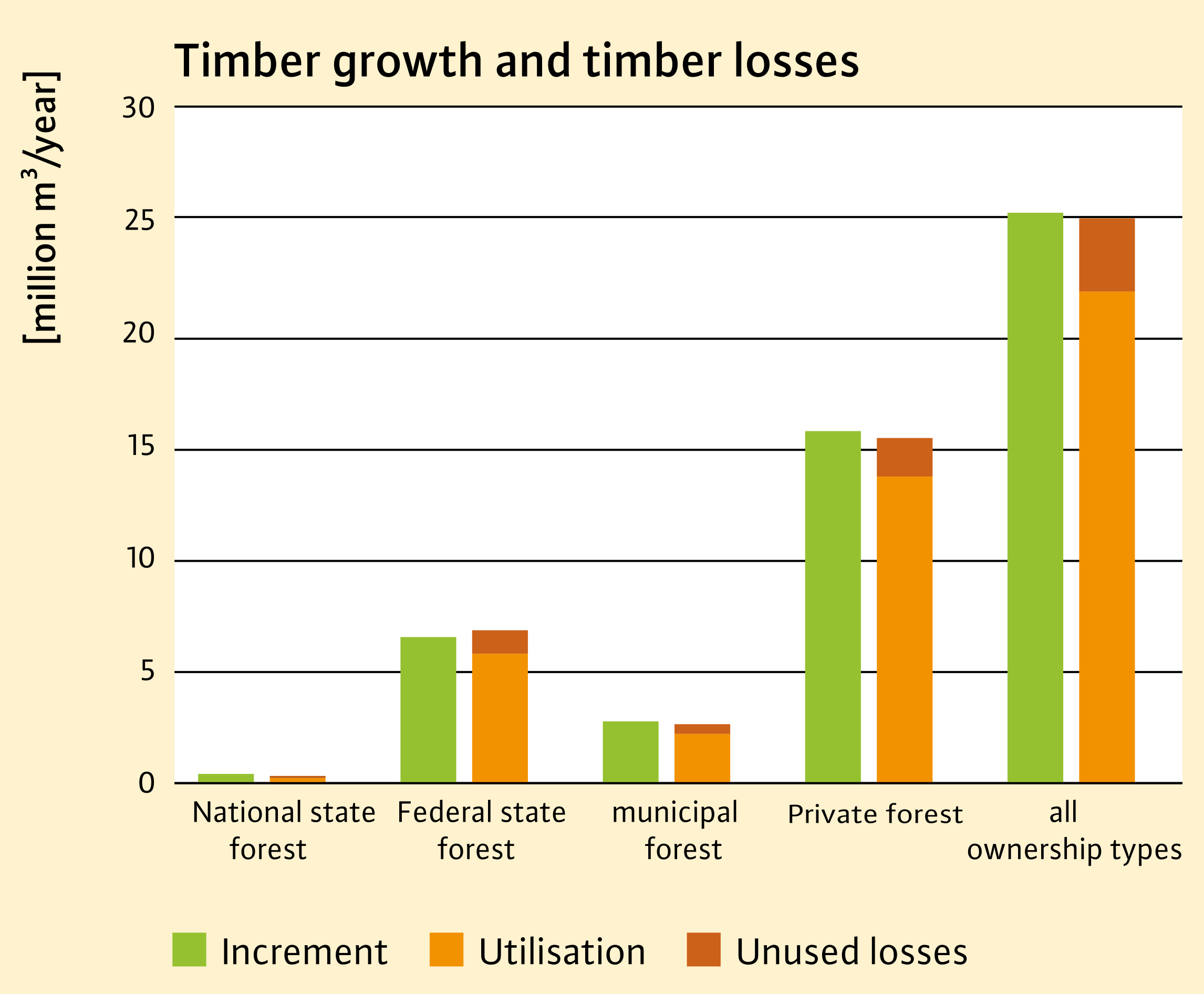
Fig. 8: More wood is growing in Bavarian forests than is being used. In private forests in particular there is great untapped potential.
Between 2012 and 2022, the annual increment across Bavaria amounted to 25.7 million cubic metres. This corresponds to an average annual increment of 10.4 cubic metres per hectare. In comparison with the last NFI, the annual increment across Bavaria declined by more than 12%. There are several reasons for this: On the one hand, extreme climatic years have reduced growth. In addition, the decline in fast-growing spruce and the increase in deciduous timber, which generally has lower increments than coniferous wood, have also had a significant influence. Added to this is the increased average age of Bavarian forests. Compared to the previous period, spruce alone grew by an average of 2.9 million cubic metres less per year.
The annual increment of around 25.7 million cubic metres was offset by average annual losses of around 25.4 million cubic metres between 2012 and 2022. The losses are made up of around 22.1 million cubic metres of active utilisation and unused losses (natural mortality) of around 3.3 million cubic metres per year. These unused losses remain in the forest as deadwood.
Approximately 86 % of the annual increment was actively used. Despite the spate of extreme climate years and the associated problems with damaged timber, the average annual timber use across Bavaria has declined significantly compared to the period of the previous inventory for almost all tree species, especially spruce.
As a result, the reduced annual timber increment during the period under review exceeded the annual loss, and stocks increased.
The risk potential is rising
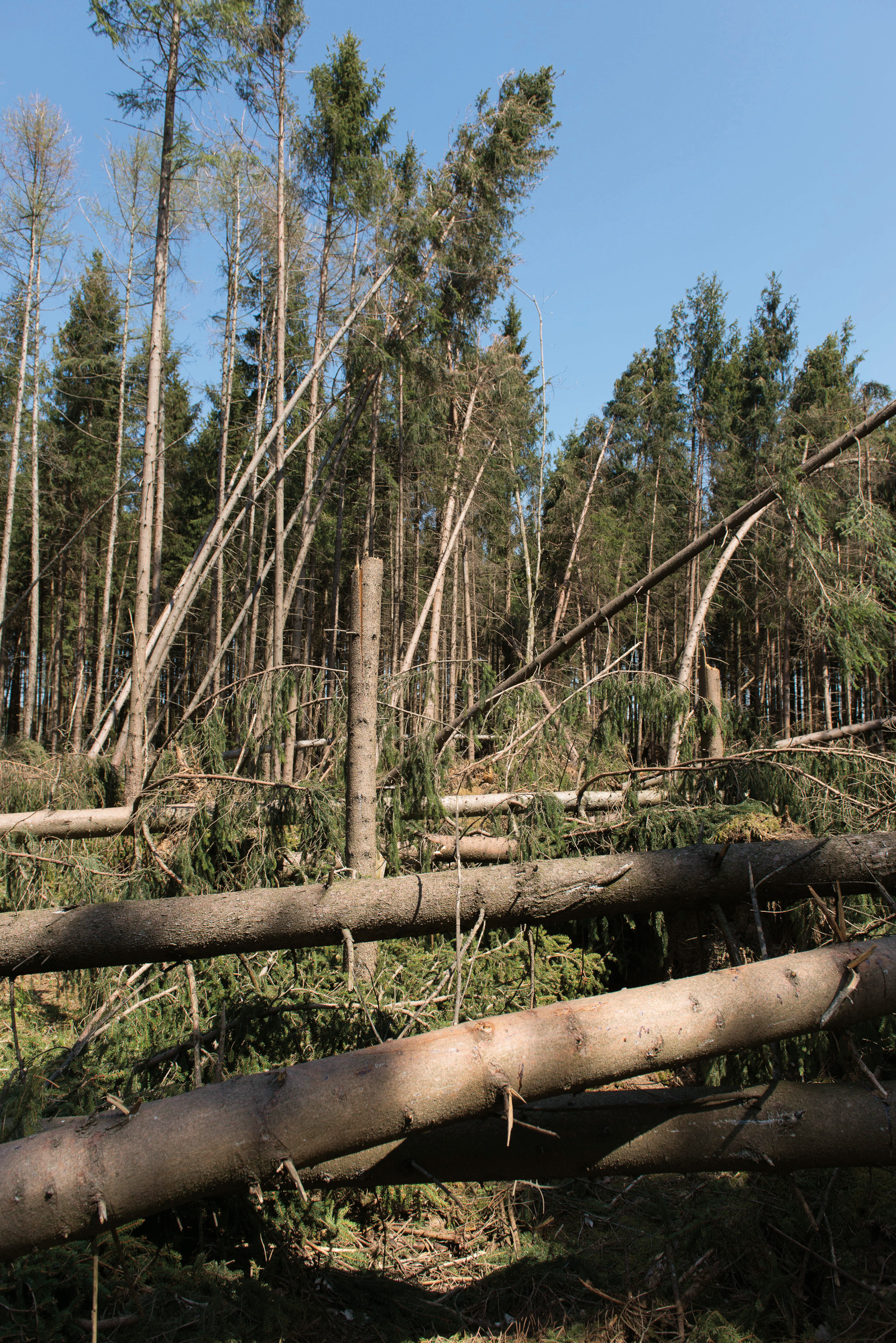
Fig. 9: Calamities are on the rise. Regular thinning helps to stabilise the forests and reduce the risk. Photo: Gero Brehm (AELF Fürstenfeldbruck)
The continued increase in growing stock cannot be viewed as entirely positive. Since spruce, which is not very climate-tolerant, still accounts for the largest share of growing stocks, and stocks in the higher age classes are also increasing overall, the rise in stocks also increases the risk of calamities, especially from bark beetles. In addition, the NFI of 2022 found that no utilisation could be detected at all at over 41% of the inventory points - corresponding when extrapolated to an area of just over 1 million hectares. The NFI does not record whole stands, but this is a clear indication that over large areas, no or only very extensive intervention measures were implemented. These tending measures are however particularly important for climate adaptation, as thinning stabilises individual trees and promotes admixing tree species. The introduction of climate-tolerant admixing tree species also requires appropriate felling measures to initiate regeneration and to provide more light to promote established regeneration. The figures from the current National Forest Inventory thus also show that there is still a great need for action to create climate-tolerant forests. This is particularly true for smaller privately-owned forests, which have the highest stocks per hectare overall.
The subsidies for silvicultural measures provided by the Free State of Bavaria, the advisory services offered by the forestry administration and the support provided by the efficient self-help organisations of forest owners play a key role in this and should be expanded further in the interests of risk prevention.
Summary
The results of the fourth National Forest Inventory for Bavaria, published in October 2024, paint a positive picture of our forests overall. The results are an impressive testament to the success of decades of integrative and close-to-nature forest management. The shares of deciduous trees, mixed forest, multi-layered forest and deadwood continue to increase. The average age and area of old forests, especially deciduous forests, is increasing. Growing stocks are at record levels.
With regard to future developments, however, the situation must be viewed in a more differentiated way. The high stocks of spruce in particular also increase the risk of major calamities. Further efforts are therefore needed to advance forest conversion and the adaptation of the forests to climate change more quickly and to reduce the risks again.