This browser is no longer supported
OK
go to Content
Deutsch
English
Français
Italiano
Login
Home
Technique and planning
Forest technology
Safety at work
Calculation tools
Forest machinery
Soil protection
Forestry work
Forest roads
Natural hazards
Torrent and erosion
Landscape development
Forest inventory
Forestry
Timber and markets
Transport and logistics
Wood energy
Storage and conservation
Timber and classification
Wood processing
Forest protection
Insects
Fungi and nematodes
Invasive species
Plant protection
Complex diseases
Drought
Storm and snow damage
Forest fires
Silviculture
Forest sites
Plant cultivation
Forestry planning
Forest genetics
Forest conversion
Forest regeneration
Stock management
Forest growth
Mountain forest
Management
Budgeting and finance
Human resources
Forest ecology
Forest fauna
Mammals
Insects, invertebrates
Forest plants
Conifers
Deciduous
Shrubs and herbs
Plant ecology
Fungi and lichens
Forest and game
Game ecology
Nature conservation
Species protection
Bodies of water
Monitoring
Forest soil
Protective function
Soil and rock slide
Flood protection
Snow and avalanches
Climate and environment
Climate change and CO2
Pollution
Recreation and relaxation
Learning and teaching
Education and training
Public relations
Forest education
Forest history
World forestry
Technique and planning
Forest technology
Safety at work
Calculation tools
Forest machinery
Soil protection
Forestry work
Forest roads
Natural hazards
Torrent and erosion
Landscape development
Forest inventory
Forestry
Timber and markets
Transport and logistics
Wood energy
Storage and conservation
Timber and classification
Wood processing
Forest protection
Insects
Fungi and nematodes
Invasive species
Plant protection
Complex diseases
Drought
Storm and snow damage
Forest fires
Silviculture
Forest sites
Plant cultivation
Forestry planning
Forest genetics
Forest conversion
Forest regeneration
Stock management
Forest growth
Mountain forest
Management
Budgeting and finance
Human resources
Forest ecology
Forest fauna
Mammals
Insects, invertebrates
Forest plants
Conifers
Deciduous
Shrubs and herbs
Plant ecology
Fungi and lichens
Forest and game
Game ecology
Nature conservation
Species protection
Bodies of water
Monitoring
Forest soil
Protective function
Soil and rock slide
Flood protection
Snow and avalanches
Climate and environment
Climate change and CO2
Pollution
Recreation and relaxation
Learning and teaching
Education and training
Public relations
Forest education
Forest history
World forestry
Deutsch
English
Français
Italiano
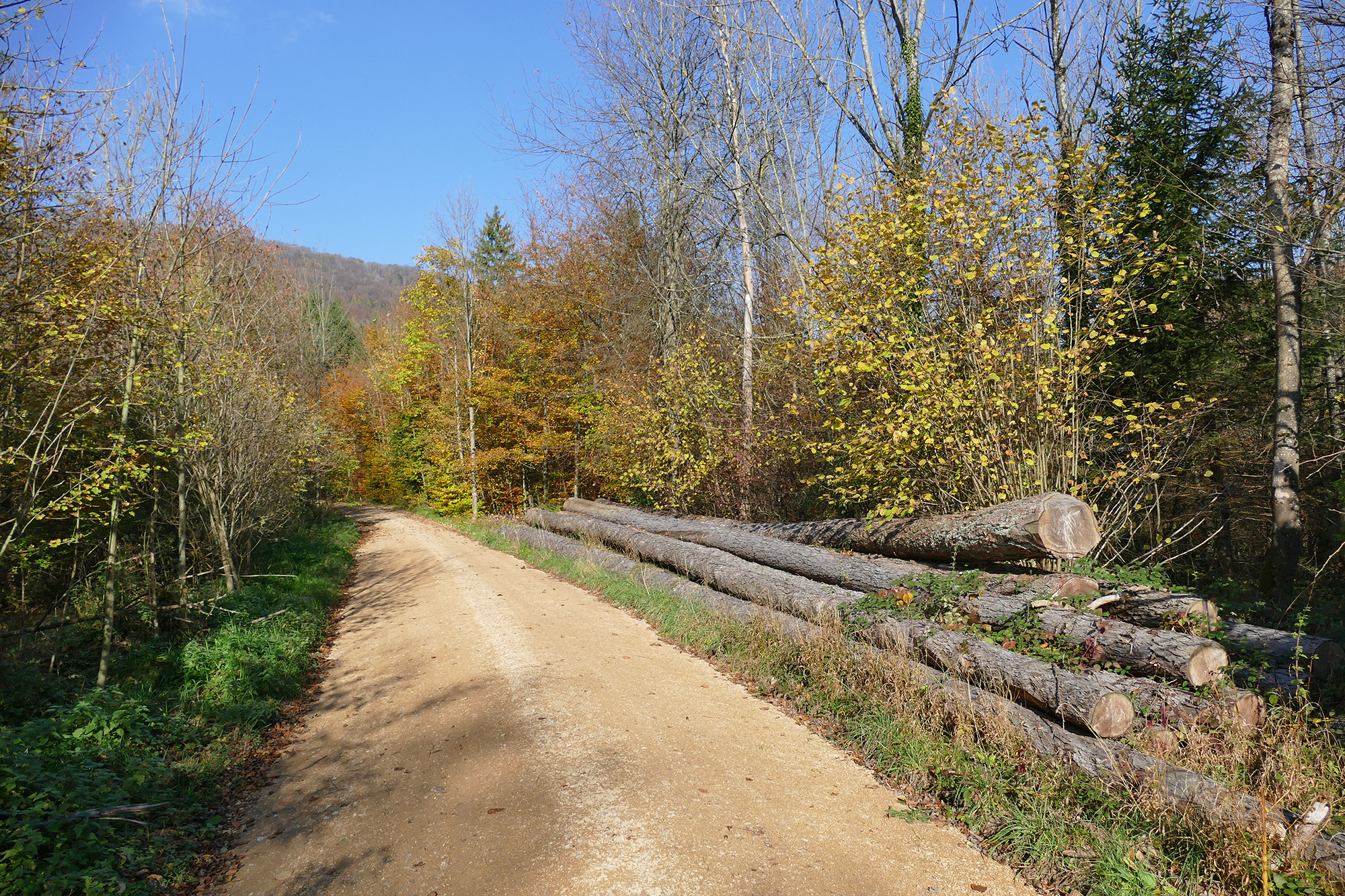
© Thomas Reich (WSL)
‹ Back
Home
Forestry
Forest protection
Invasive species
Invasive species
skip List
skip Filter
Back to top